
July: When the Migration Peaks. What to Expect from your Kenya Safari in July.
July is peak season and the dry season is in full swing too. The wildebeest migration has crossed from Tanzania into the Masai Mara, enticing visitors from all over the globe to witness one of the seven natural wonders of the world. Prices reflect the demand, but if seeing one of the world's greatest wildlife spectacles is on your bucket list, July is the month to do it.
Here’s what you can expect when you book a July safari to Kenya…
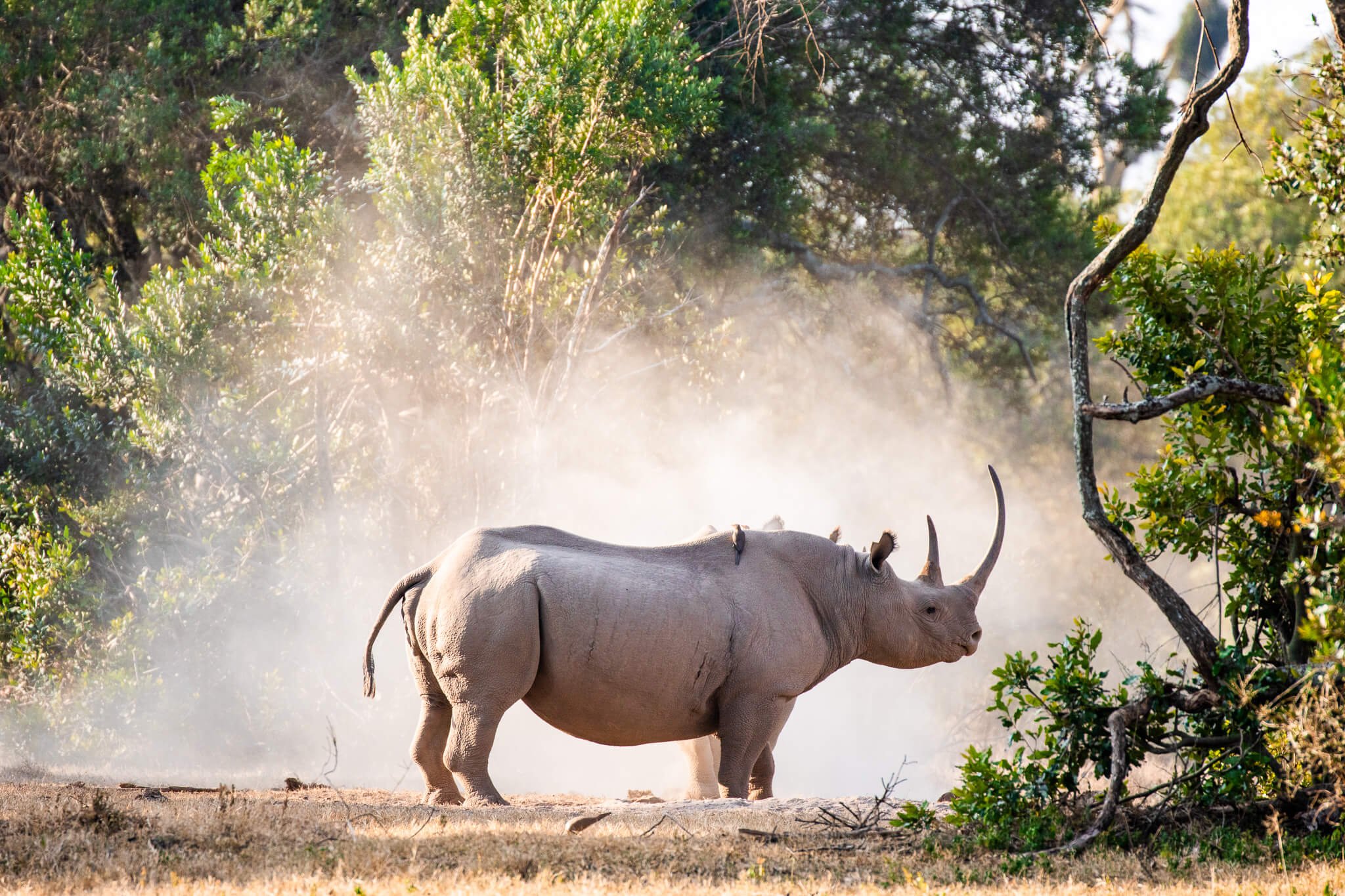
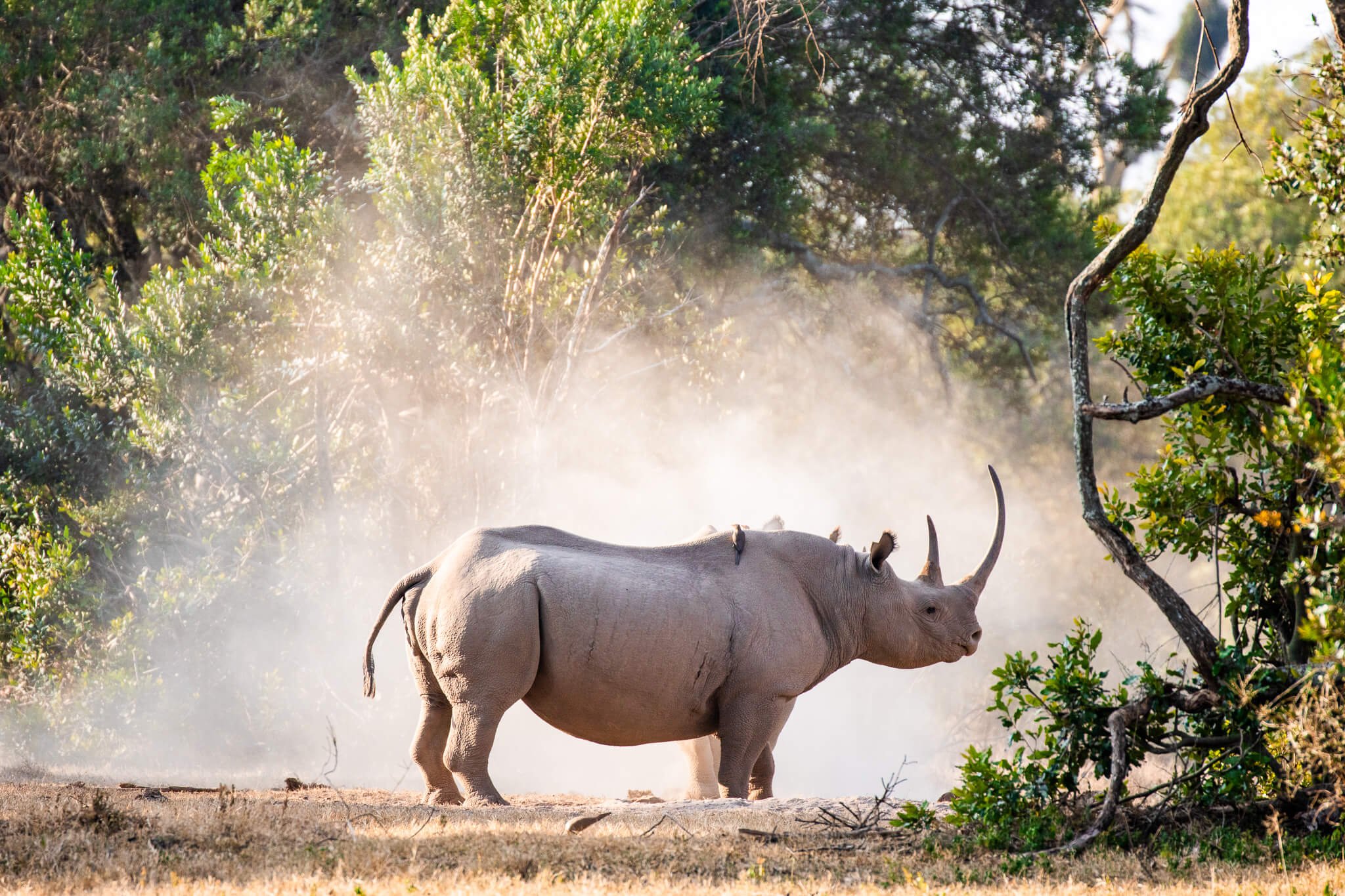
A black rhino kicking up dust on Ol Pejeta
The Great Wildebeest Migration
If you've ever seen footage of wildebeest crossing a river — thousands of them, crocodiles waiting below, the absolute chaos of survival — you were watching the migration. July is when this kicks off and it’s at its most dramatic. Hundreds of thousands of wildebeest and zebra are moving north through Kenya, following the rains. They cross rivers, they're hunted by lions and crocodiles and, overall, it's one of the most spectacular wildlife events on Earth! This isn't something you see every day. This is bucket-list safari. So if you've dreamed of witnessing Africa's greatest wildlife spectacle, July makes it happen.
Peak Dry Season Means Perfect Conditions
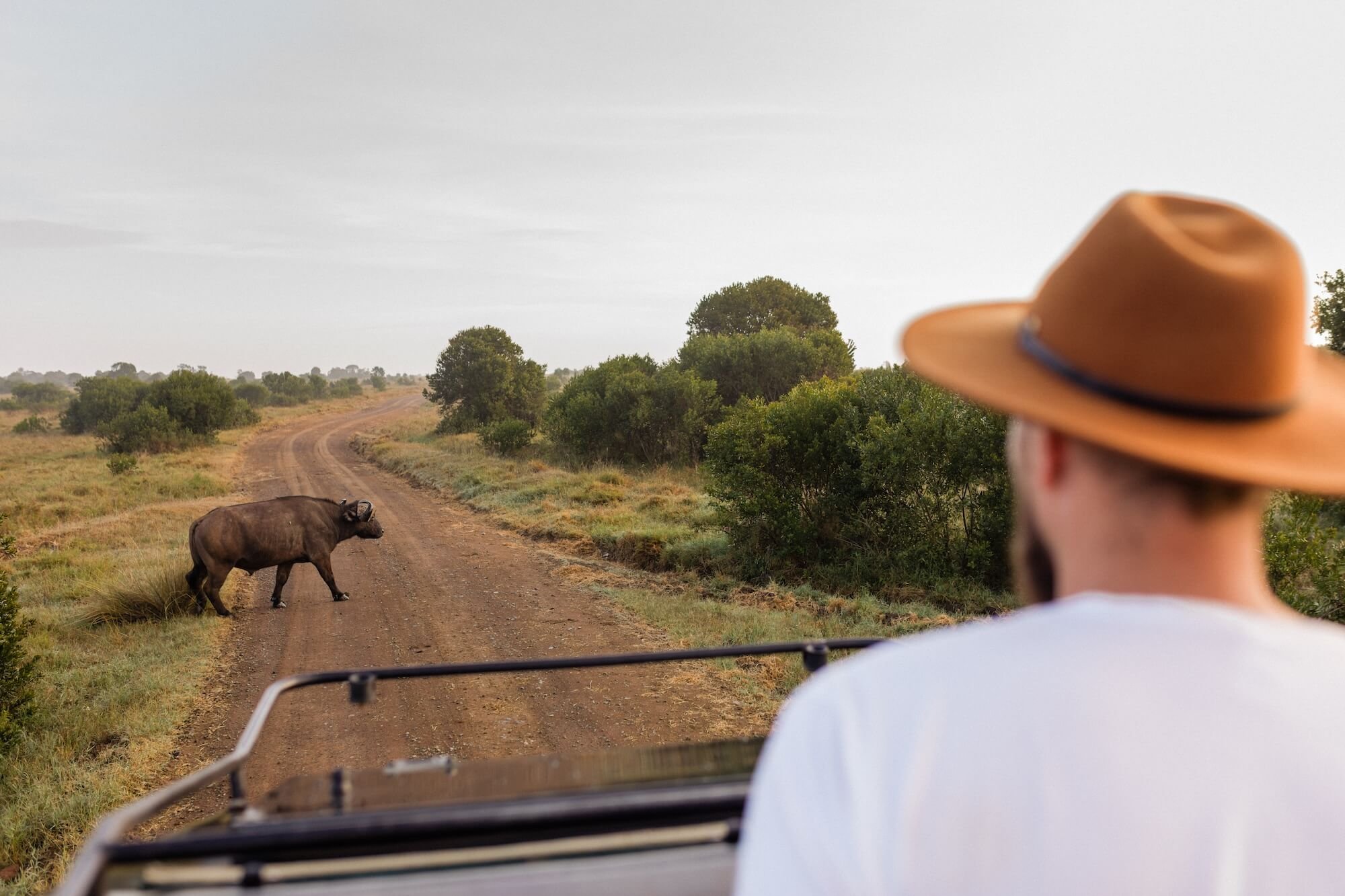
July is at the height of the dry season. Historically this meant clear skies every morning and chilly starts and finishes along with excellent visibility. But it’s important to bear in mind that weather patterns are shifting and July and August have been seeing intermitent rainfall, especially in the afternoons and evening for years now. Despite occasional sporadic rains though, it’s largely dry and dusty and animals concentrate around remaining water sources, which means guides know exactly where to find them. You'll see lions, giraffe, elephants, buffalo, rhinos on an almost daily baisis. Sightings aren't just likely, they're practically guaranteed. The grass is short, the bush is open and you see everything moving across the plains really clearly.
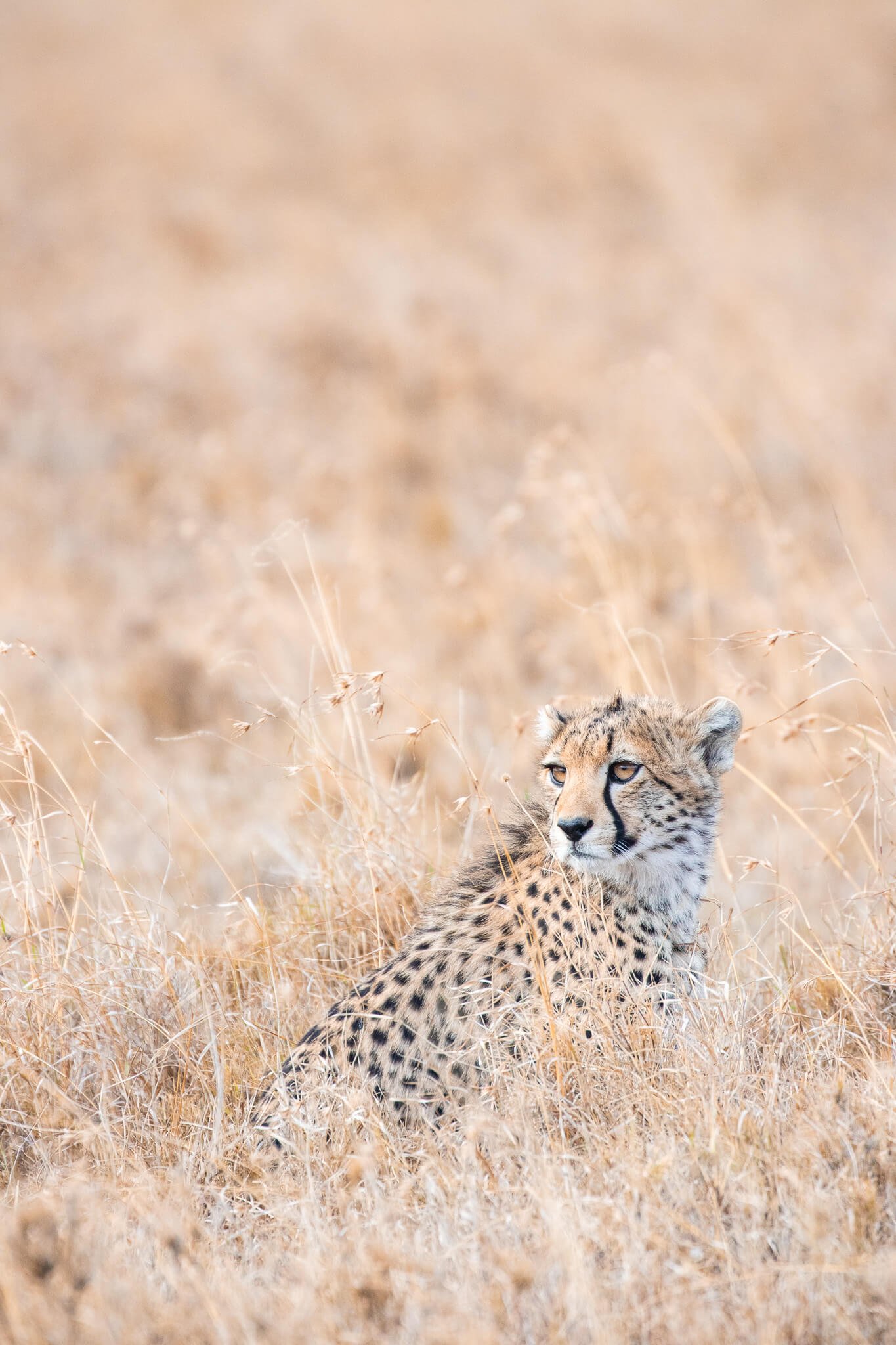
Cheetah are well camouflaged in the dry grassland
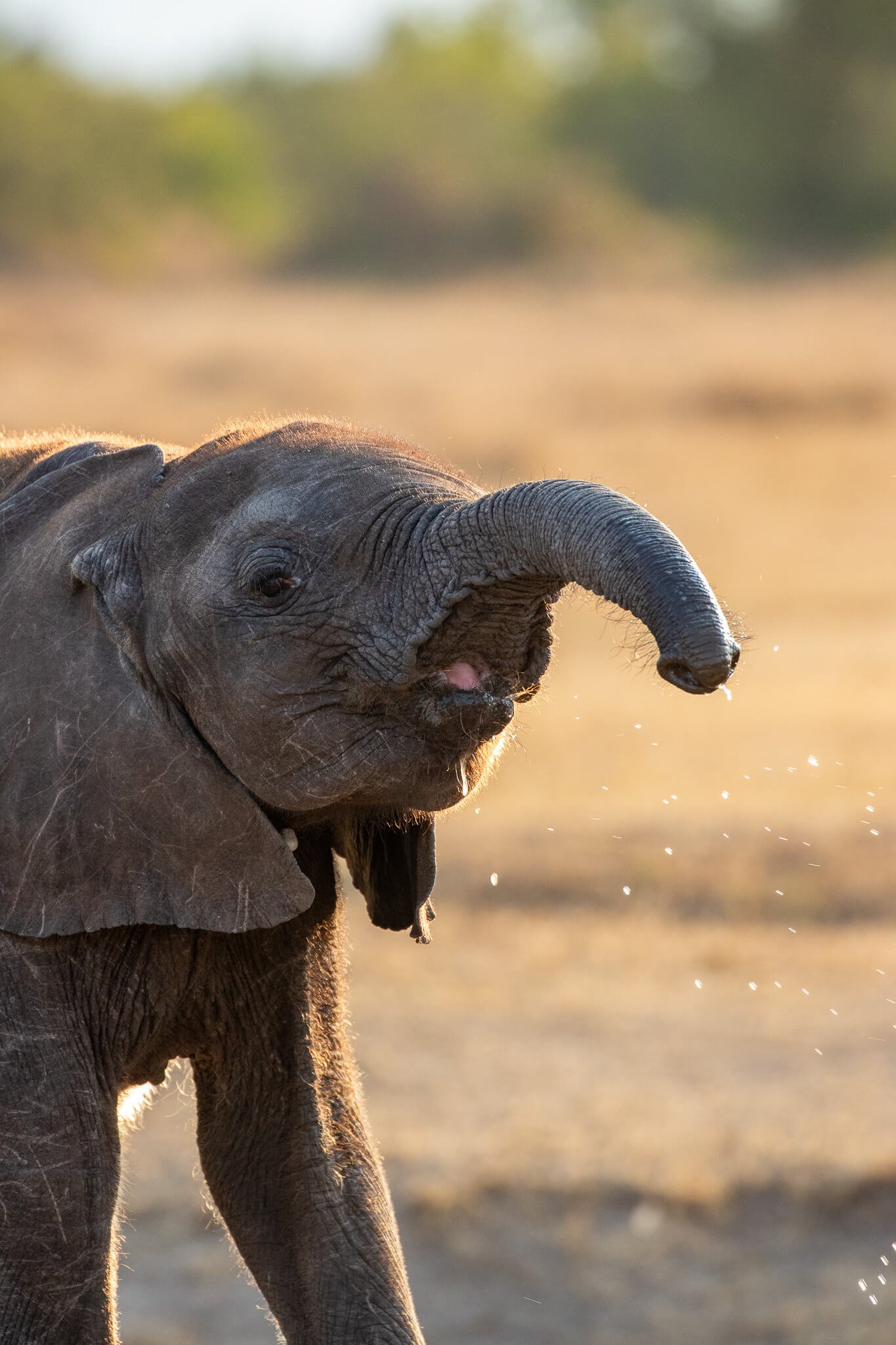
A baby elephant plays in the water on Ol Pejeta
School Holidays Mean Family Travel
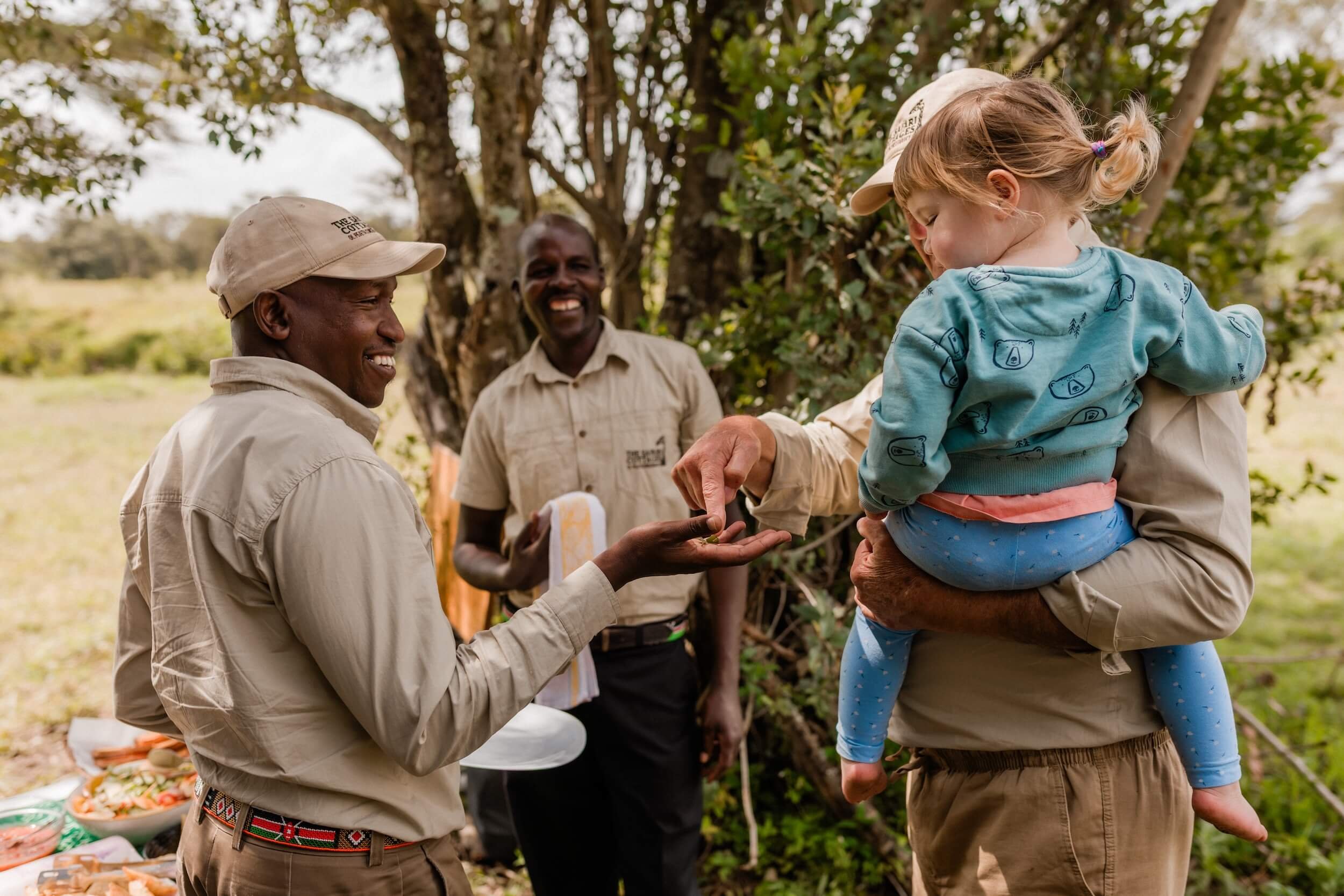
If you're travelling with children, July school holidays (at least in the Northern Hemisphere) mean families can actually take extended trips. Many schools break for summer in July, making it the natural family safari month. Ol Pejeta is excellent for families — flexible schedules, private guides, no forced group activities, guides experienced with children. Many families book July specifically because that's when they can travel and they can stay a bit longer to really immerse themselves in all Ol Pejeta has to offer.
The Trade-off: Crowds and Cost
Here's what you need to know: everyone knows July is peak season. The conservancy is busy (everywhere is) and popular lodges book months in advance. Prices are at their highest and you'll likely share sightings with other vehicles, especially if you’re watching the big cats.
At The Safari Cottages we tend to steer clear of the fray and access to the wilderness area, plus having use of a private vehicle and guide mean you're not competing quite as fiercely as guests at shared-vehicle operations in national parks. But you'll still notice more activity than shoulder seasons. Early booking (a minimum of 3 months out) is strongly recommended.
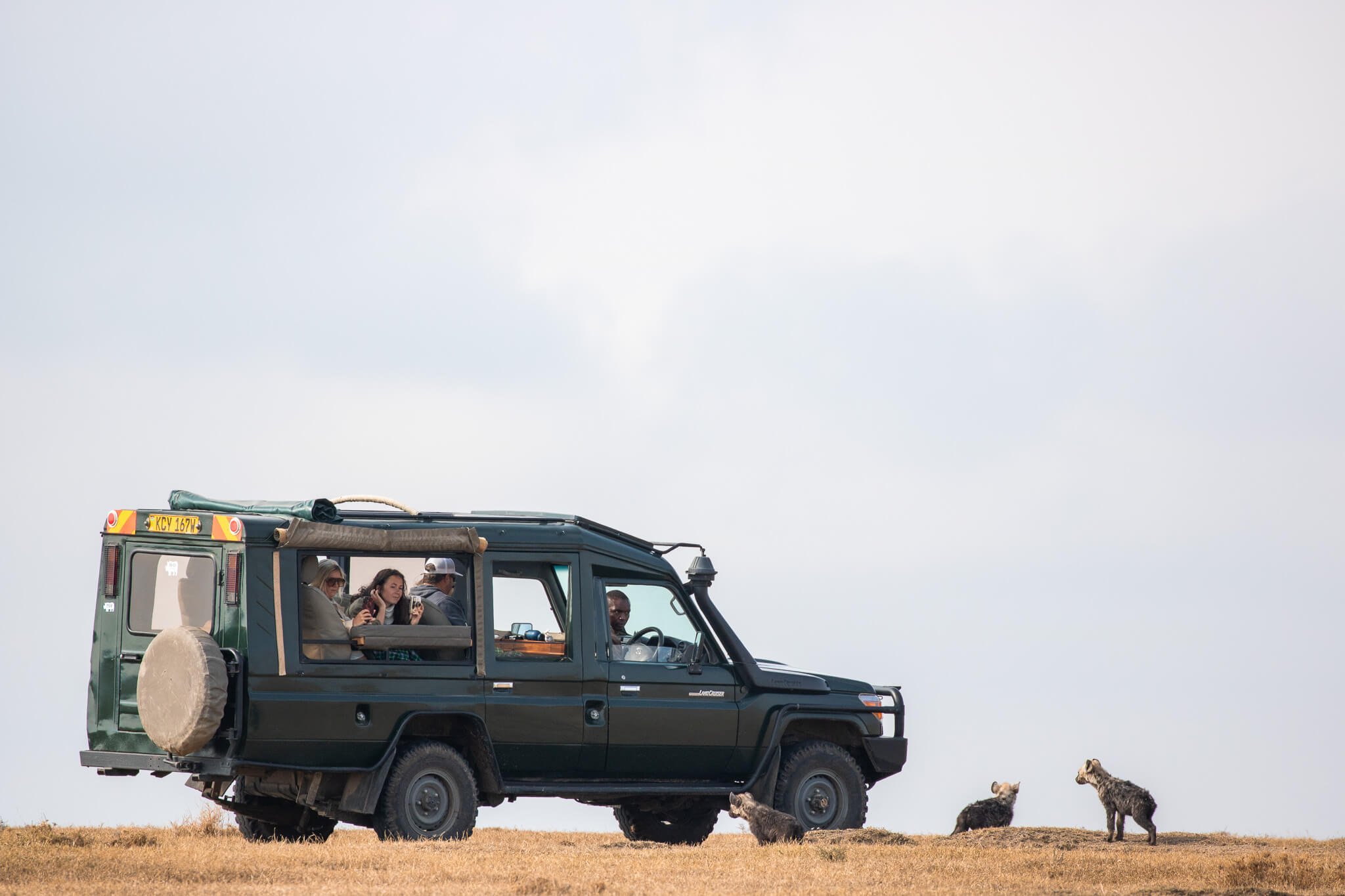
Open plains make wildlife easier to find: curious hyena pups approach an Ol Pejeta Safari Cottages vehicle
July Weather
For the most part you can expect clear skies. Warm days (22–26°C) and cold mornings and nights (10–15°C). The sun is harsh on the the equator, so pack in preparation for this, especially in the middle of the day; hats, layers and sunblock. A chilly breeze carrying from the mountains can make you think it’s cooler than it is. It’s also a bit cooler on the coast, so if you want good weather but don’t want to deal with the heat then July - end of August is a fantastic time to be on Kenya’s beaches.
July Safari Summary
July is for the migration enthusiasts, families with fixed holiday dates, and photographers seeking excellent photographic conditions. It's expensive and crowded, but the wildlife is unmatched and tempertures largely manageable.
If you can only travel once and want the absolute best conditions, July delivers.
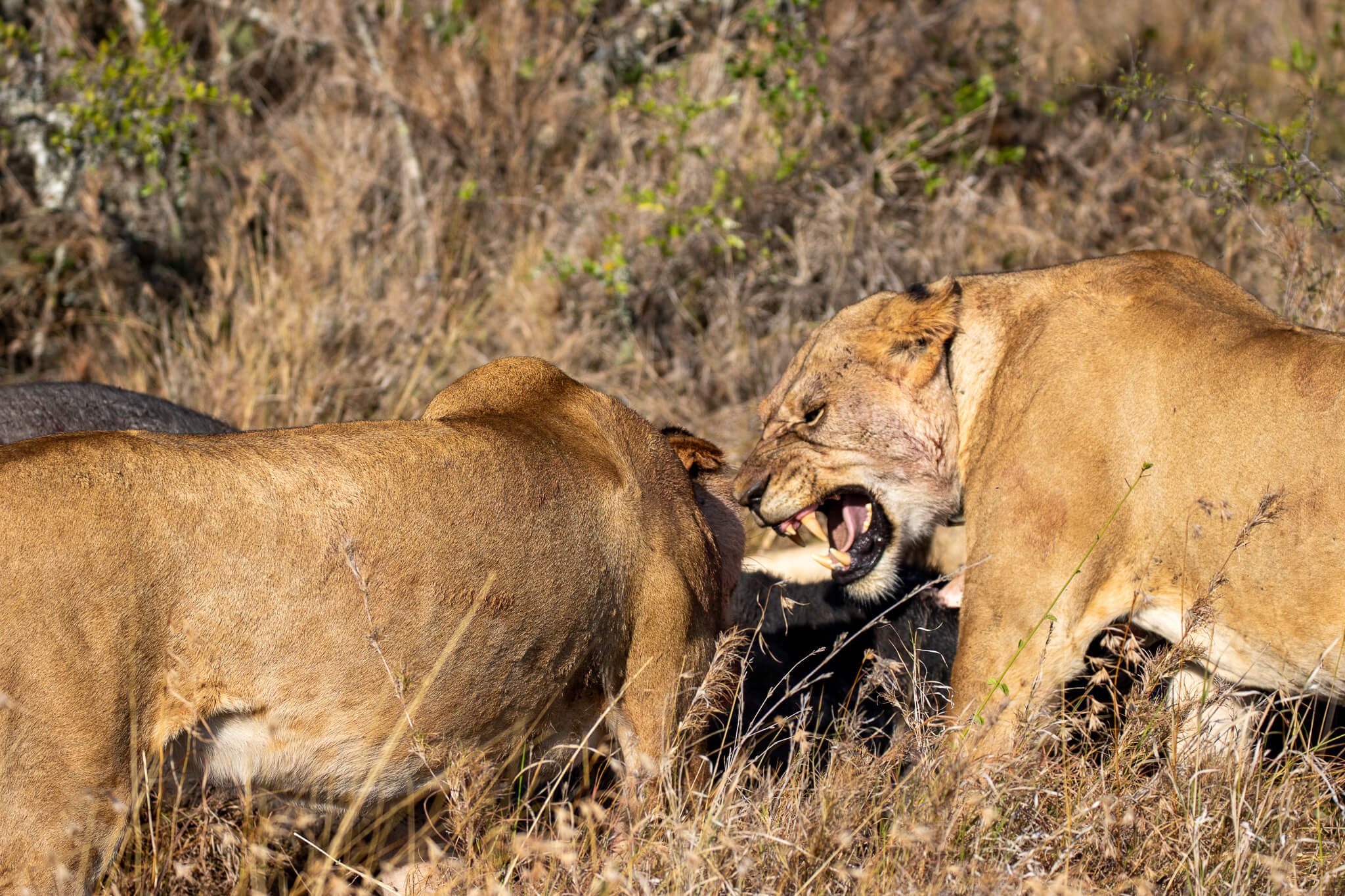
Lions on a buffalo kill on Ol Pejeta Conservancy
Keep Reading
MORE FROM THE SAFARI COTTAGES BLOG





November is green season in Kenya and it is lushly green with afternoon rainfall and flowing rivers. It offers something rare: lush landscapes, solitude before the December holiday rush, and exceptional shoulder-season value.