
Travelling to Kenya in June: What to Expect on Your Safari
In April and May is the conservancy holding its breath — green, moody and dramatic — then June is the exhale that follows. The long rains have retreated, the skies are clearing, the grass, still lush from the wet season, is beginning to thin just enough for wildlife to become easier to find. And the temperatures, cooled by altitude and the tail end of the rains, are about as perfect as East Africa gets.
Early June isn't peak season either. It’s classed by some as mid-season and others even as low-season. And for some lodges peak season only starts in July and August, when the Masai Mara fills up and prices follow — but it has almost all of the peak season's rewards without the crowds, the premium rates, or the queues of safari vehicles around a lion sighting. For guests who want the best of Kenya without the compromises that come with booking in the busiest months, June is the answer most people haven't thought to look for.
Here's why we love it.
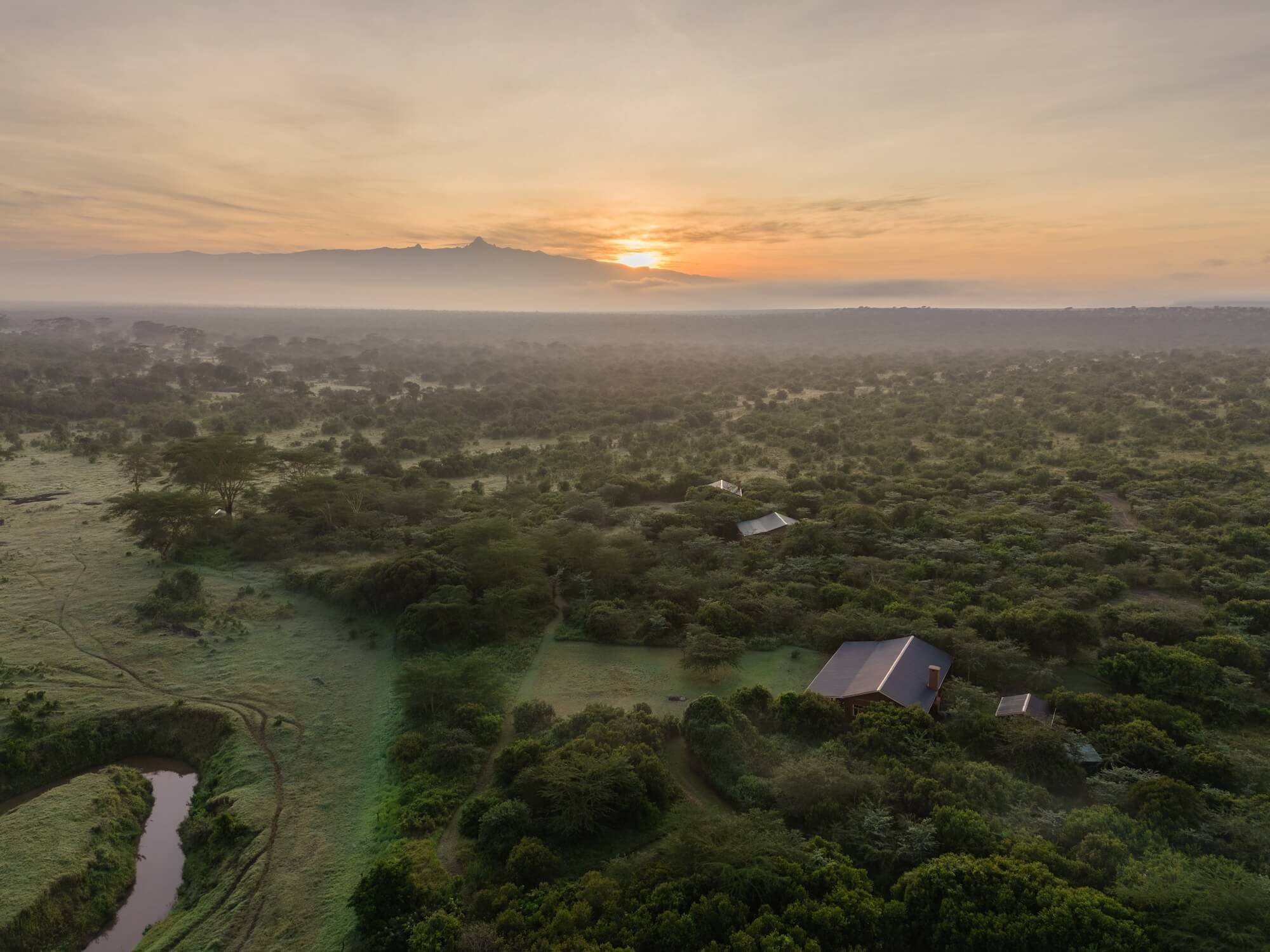
Views over the safari cottages to Mt Kenya
The internet says peak season starts in July. Here's what it misses about June.
There's a tendency in safari planning to treat June as a waiting room — a month to get through on the way to the "proper" dry season. We understand where that comes from but, by June, conditions on Ol Pejeta are already excellent and they have been for a while. The roads are firm. The vegetation is thinning. The predators are active, the rhinos are out on the plains, and the skies produce the kind of enormous cloud formations that make every photograph look like it was taken by someone who knew exactly what they were doing. The conservancy is quieter than it will be in eight weeks' time, and that quiet is its own reward.
1) THE WILDLIFE IS AT ITS MOST ACTIVE
June marks the beginning of Kenya's “dry season,” though it’s worth noting that global weather patterns are shifting so it’s harder to say this with certainty. But, for the most part, it’s dry and it comes with a shift in the rhythms of the bush. As the grass begins to thin and the temporary water sources begin to dry up, wildlife begins to concentrate around permanent rivers and waterholes — which means sightings begin to become more reliable, more prolonged, and more rewarding.
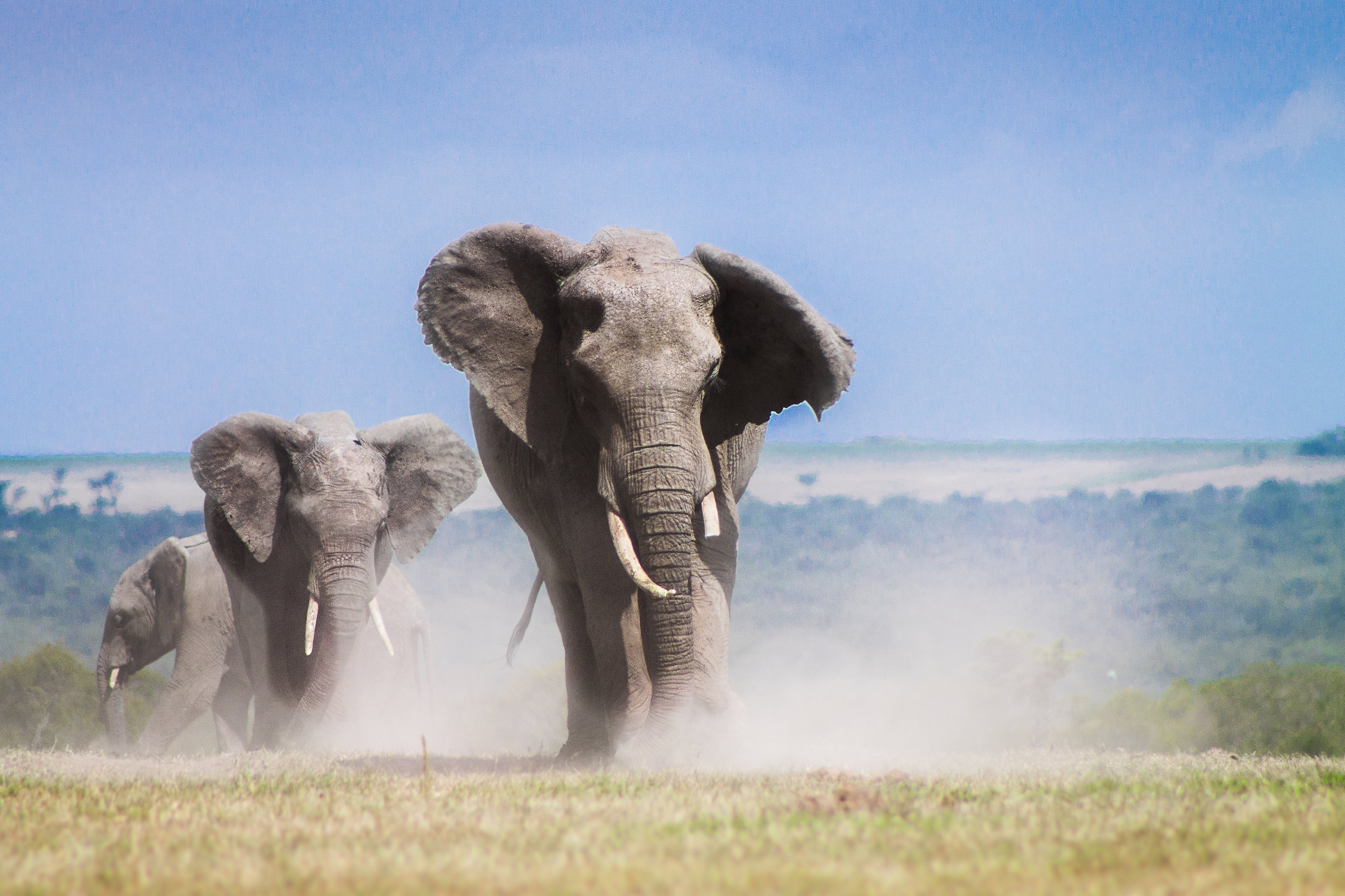
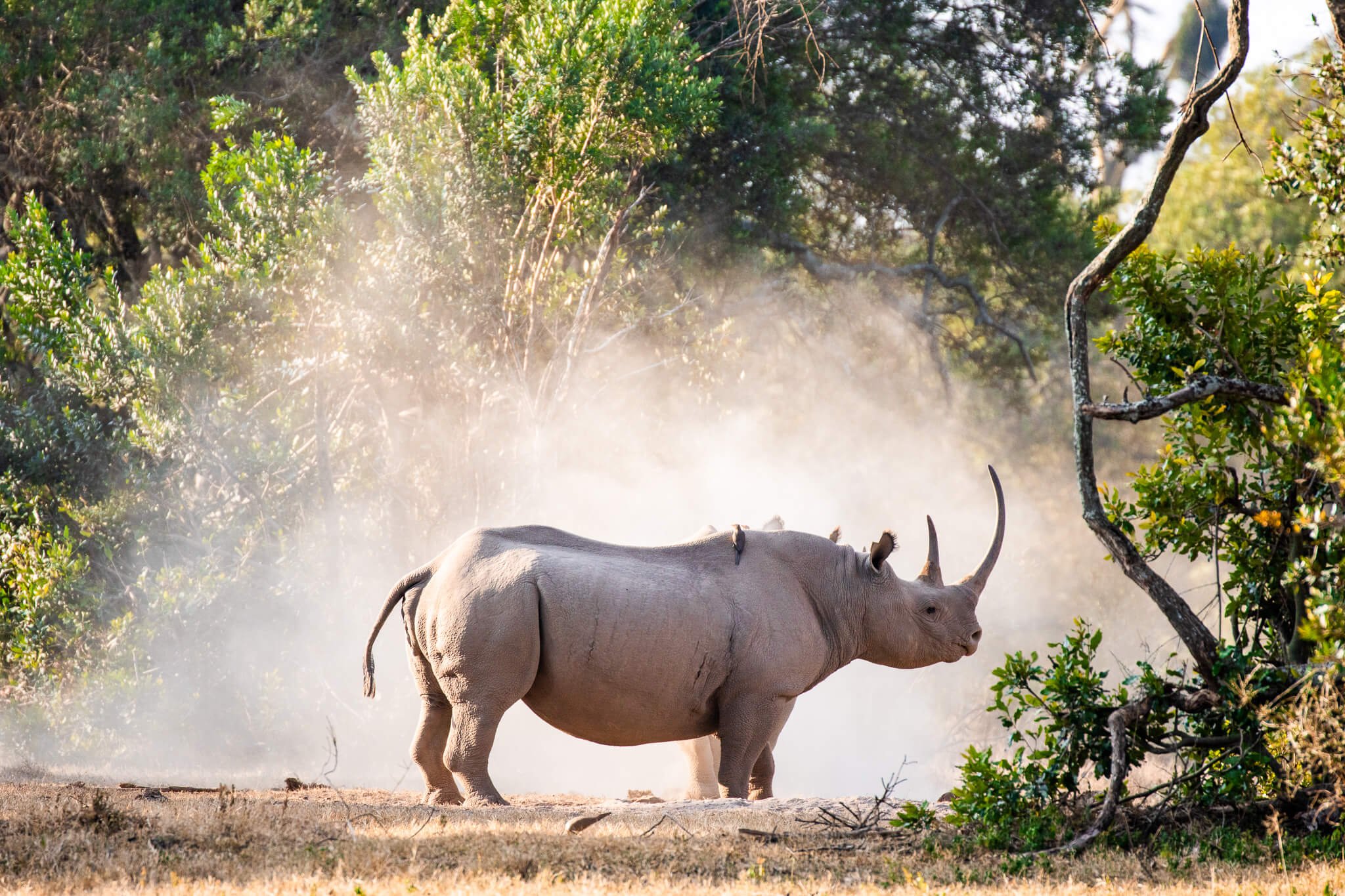
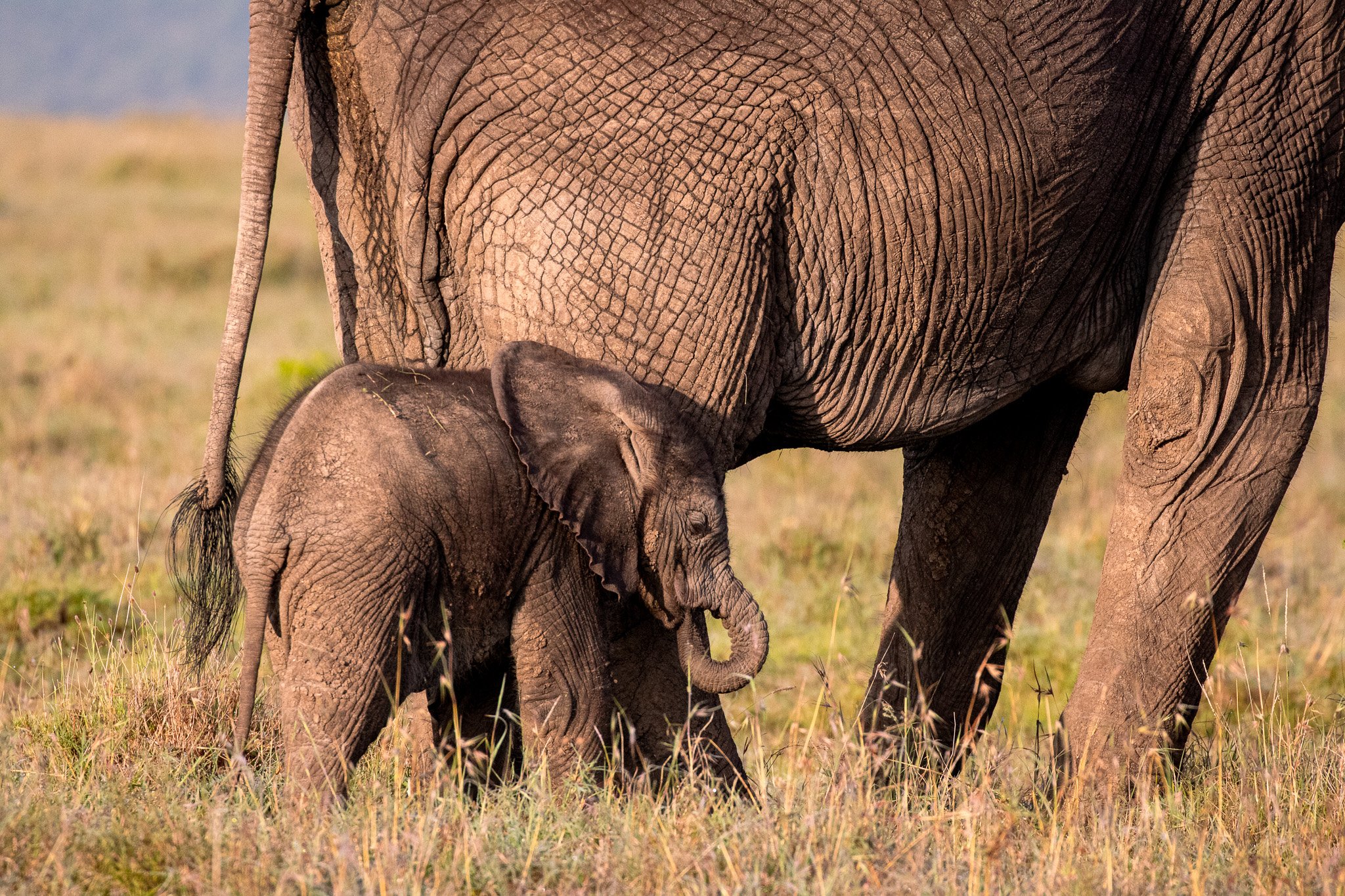
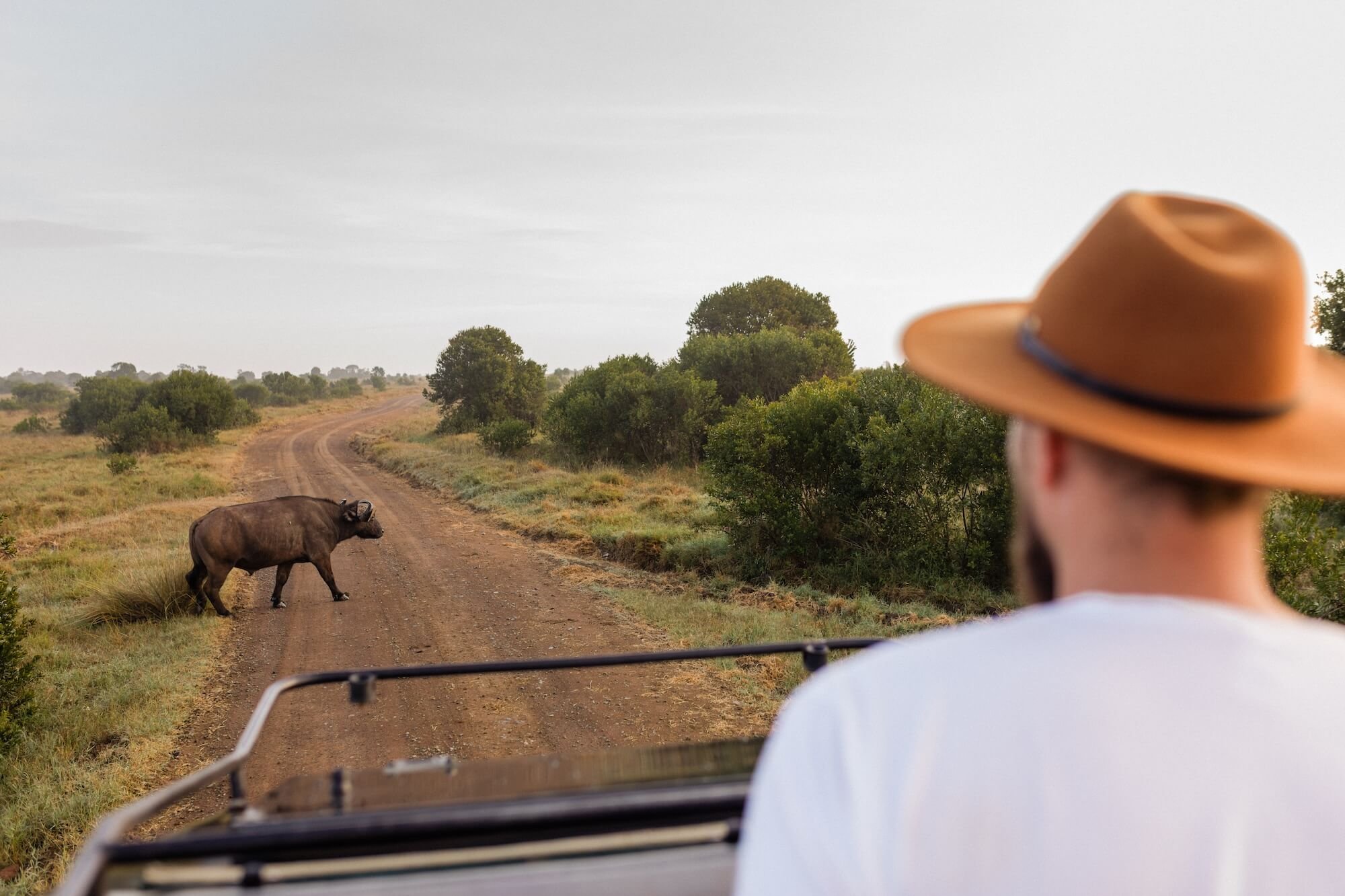
On Ol Pejeta, this translates to some of the most consistent wildlife viewing of the year. Elephants gathering at the river with their families, lion prides are out on the open plains and cheetahs too are easier to spot in shorter grass. The conservancy's extraordinary rhino population — over 165 black rhinos, the largest in East Africa, as well as Najin and Fatu, the last two northern white rhinos on Earth — move freely across the landscape.
2) THE LIGHT IS EXTRAORDINARY
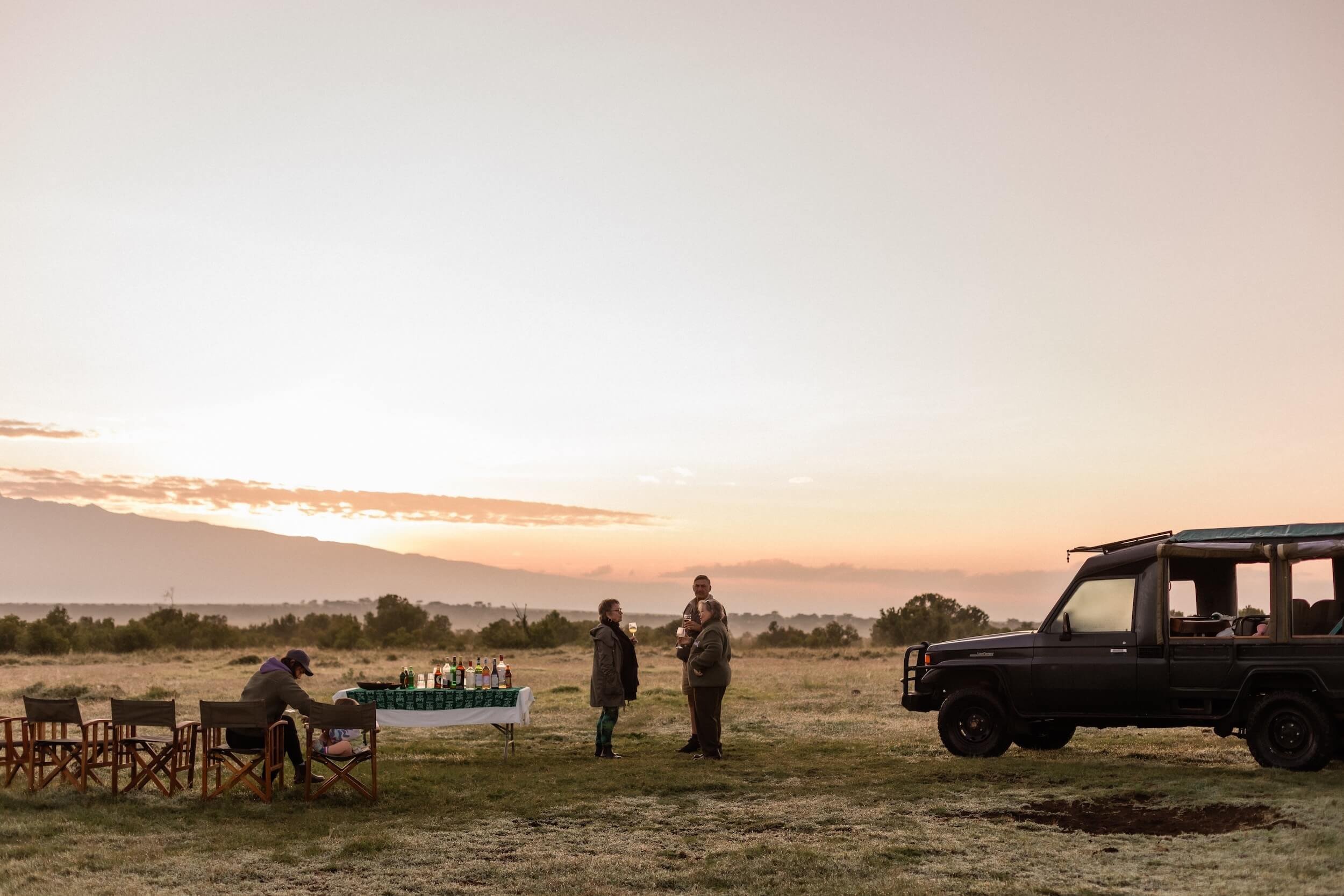
There is a quality to the light in June on the equator that is extra special. The air, still washed clean by the rains, has a clarity to it that the dust of high dry season takes away. The mornings are sharp and golden and the afternoons, when cloud still builds on the horizon, produce dramatic backdrops that frame wildlife in ways that simply don't happen in the heat-hazed months of August and September.
If you're travelling with a camera — or simply want your photographs to look the way safari photographs are supposed to look — June is quietly one of the best months to do it.
Is June a Good Time to See Wildlife in Kenya?
It's one of the best. The transition from green to dry season concentrates wildlife and creates ideal viewing conditions without the competitive pressure of peak July and August. On Ol Pejeta specifically, the resident nature of the wildlife — nothing migrates away — means the full cast is present year-round. What June adds is easier visibility, more predictable movement patterns, and the particular energy of predators moving into their most active season.
The honest answer to the question "is there a better month than June?" is: July and August are excellent, but they're also busy. June gives you the wildlife, the light, and the space to enjoy it. Here’s an overview of wildlife you can expect to see on Ol Pejeta.
3) YOU'LL HAVE THE CONSERVANCY TO YOURSELVES
July - October are, rightly, celebrated as Kenya's finest safari months. But they're also when everyone else is here. But June sits just ahead of that wave. Visitor numbers on Ol Pejeta are meaningfully lower than they'll be in six weeks so, if you value the feeling of having the bush to yourself — of watching a cheetah hunt without five vehicles jostling for position, of sitting with a rhino sighting in complete quiet — June offers that in a way that peak season safaris simply can't.
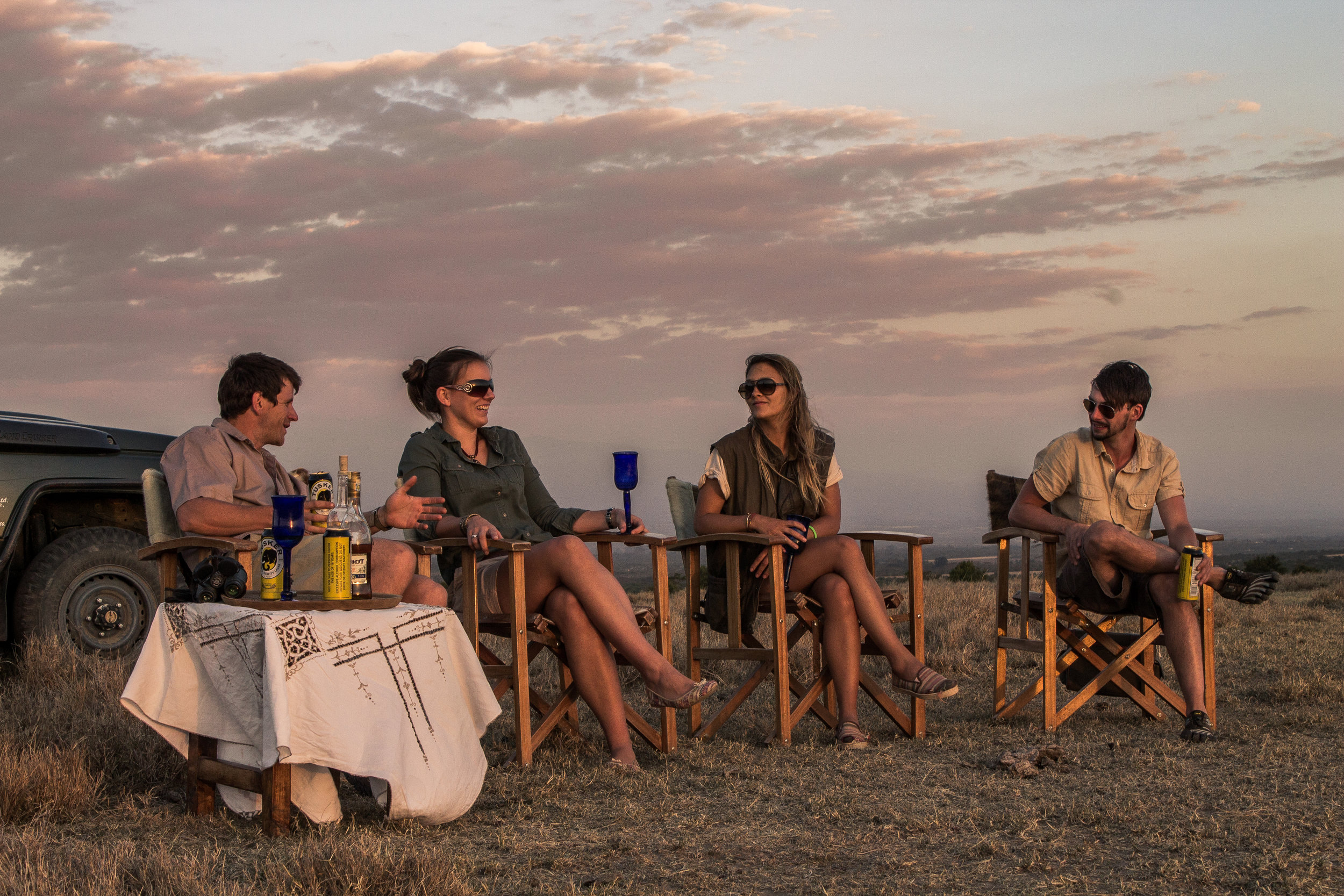
At The Safari Cottages, this is somewhat academic though; your stay is exclusively yours regardless of the month, and your private guide and vehicle mean you'll never share a game drive with strangers. But even beyond the property boundaries, on the conservancy roads themselves, June feels like a privilege.

Our guests enjoy one on one time with a white rhino on a game drive on Ol Pejeta
4) JUNE IS BRILLIANT FOR FAMILIES WITH YOUNG KIDS
Families with young children who want to travel outside of the school holiday rush love June; it offers nearly peak dry season conditions at rates that haven't yet reached their July and August heights. Children who come in June get the wildlife, the weather and the experience without the premium that follows when the rest of the world catches up.
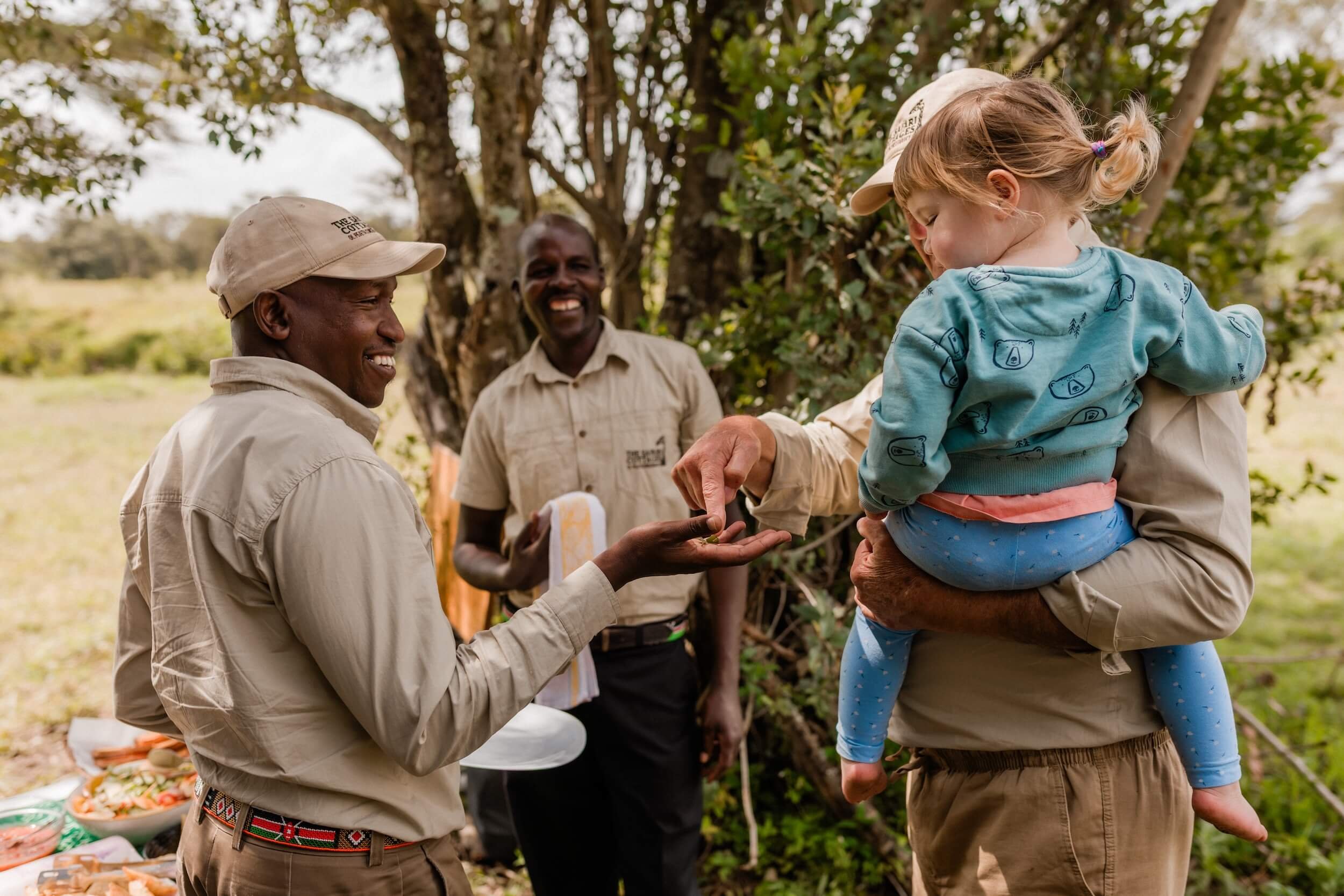
A note on children and Ol Pejeta: the private, exclusive-use nature of The Safari Cottages makes it incredibly family friendly. Schedules are set by you, not by the camp. If a seven-year-old needs an afternoon nap rather than a game drive, the day is reorganised. If a teenager wants to spend two hours watching a pride of lions, the vehicle stays.
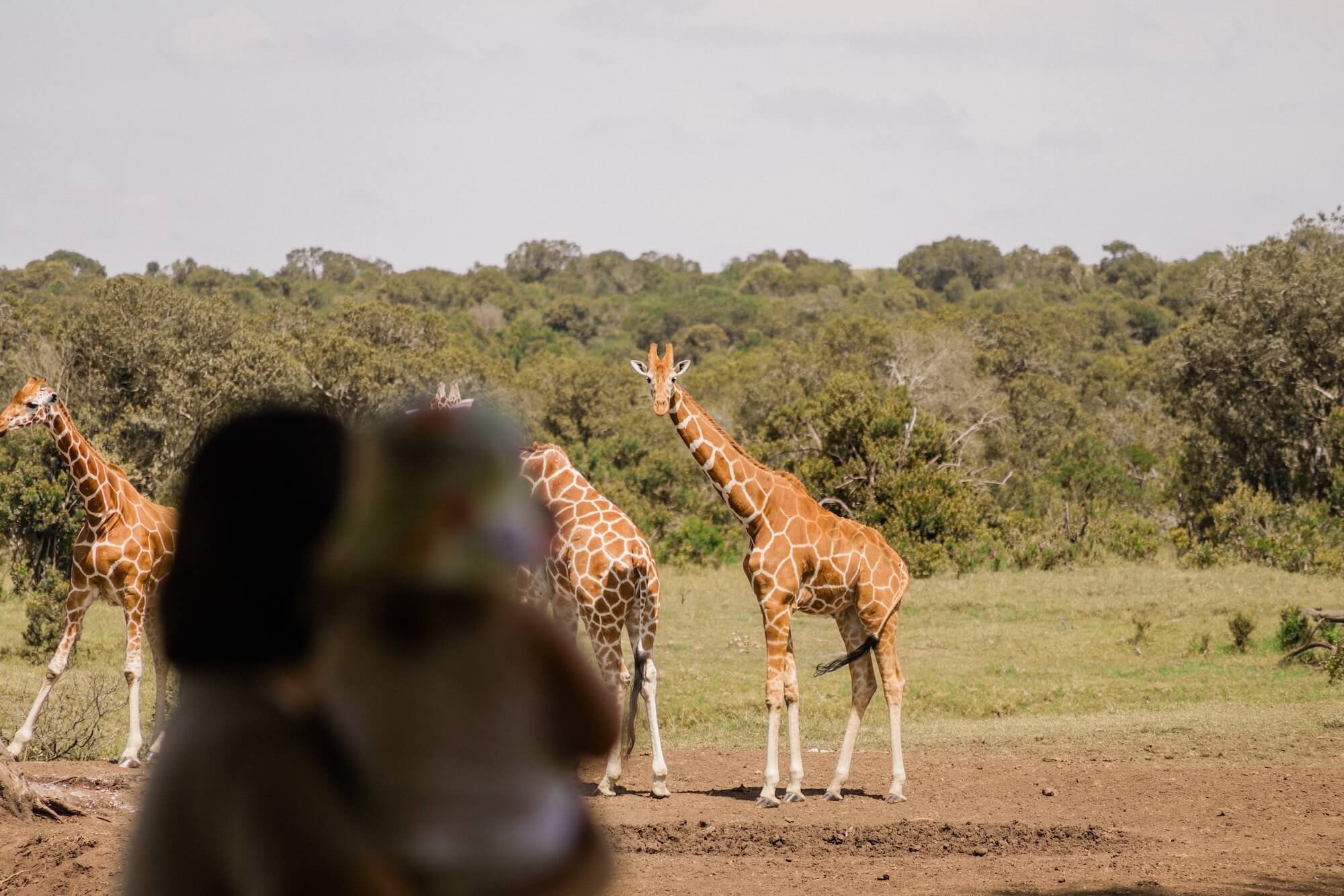
A herd of giraffe visiting our guests at lunchtime at The Safari Cottages
5) THE VALUE
Early June rates at The Safari Cottages are not yet at their peak season level. For guests who want the best Kenya has to offer — the wildlife, the light, the dry season conditions, the privately guided experience — June represents the best value in the calendar.
Planning a Kenya Safari in June? Quick Tips
Pack for cool mornings. A fleece or light down layer is genuinely useful on early game drives. By 9am you won't need it, but you'll be glad of it at 7AM.
Book ahead of July. Because June sits just before peak season, availability at quality properties fills from the July side first — guests who book July and extend backwards into June. Don't assume June availability is open. It often isn't by March or even February.
Consider a beach extension. June is the beginning of the dry season on the Kenyan coast too — Watamu, Lamu and the Diani coast are warm, clear and relatively quiet. A safari-to-coast combination in June works beautifully.
The Safari Cottages are open all year and ready to welcome you in June. Send us an enquiry to start planning your dry season safari.
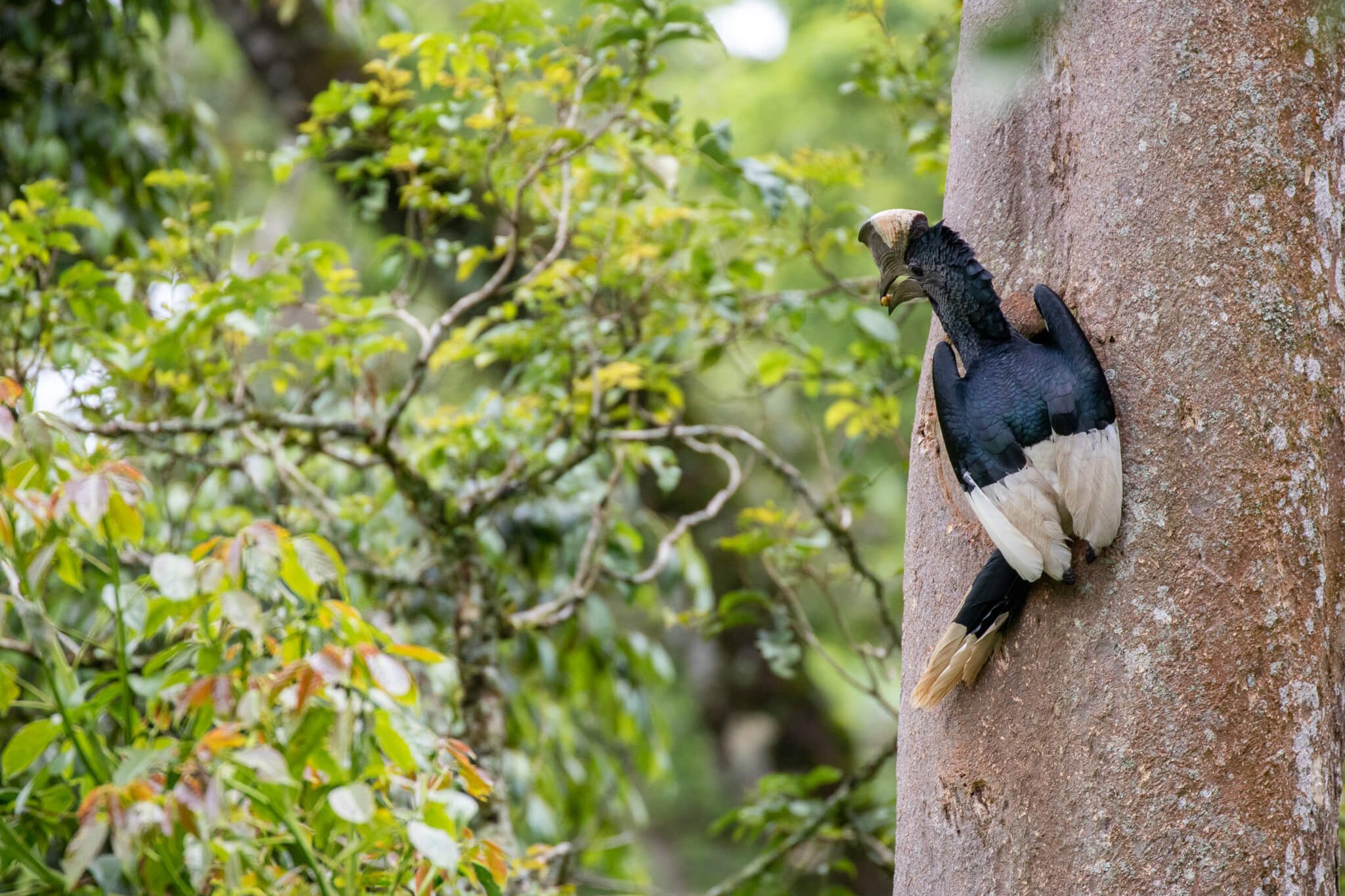



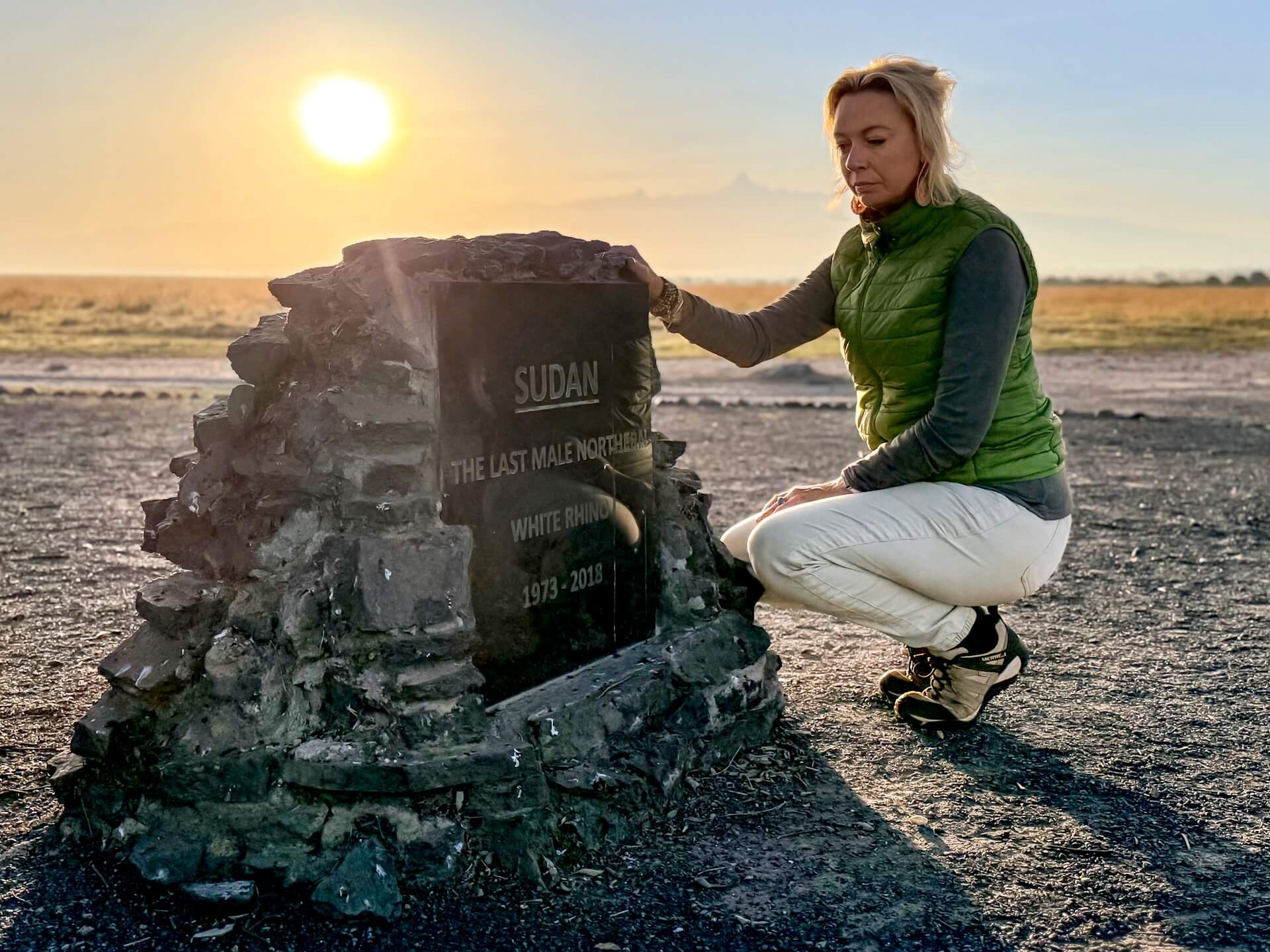


Your safari at Ol Pejeta is extraordinary on its own, but three additional conservation activities transform it from wildlife viewing to understanding real conservation work. Meet the world's last two Northern white rhinos, visit rescued chimpanzees in the Sweetwaters Sanctuary, and witness the K9 anti-poaching unit track suspects (you!) through the bush. These are the experiences that change what your safari means.