
The Last Two Northern White Rhinos: Najin, Fatu and Ol Pejeta's Mission to Save a Species
There are two northern white rhinos left on Earth. Their names are Najin and Fatu — a mother and daughter — and they live here, on Ol Pejeta Conservancy in Kenya, a short drive from the door of The Safari Cottages.
That first sentence is worth sitting with for a moment. The entire remaining population of a subspecies, in one place, on one conservancy in central Kenya and visiting them is so often a profoundly moving experience for our guests. If you're curious about how Najin and Fatu came to be at Ol Pejeta, what's being done to bring the northern white rhino back from the brink of extinction, and how you can visit them — this is everything you need to know.
How Did the Northern White Rhinos Come to Ol Pejeta?
On 20th December 2009, four of the world's remaining seven northern white rhinos were translocated to Ol Pejeta Conservancy from Dvůr Králové Zoo in the Czech Republic. Their names were Najin, Fatu, Suni and Sudan. After years of failed breeding attempts in captivity, conservationists hoped that returning the rhinos to a natural African environment might give them a better chance at reproduction.
It was a hopeful beginning. What followed was heartbreaking.
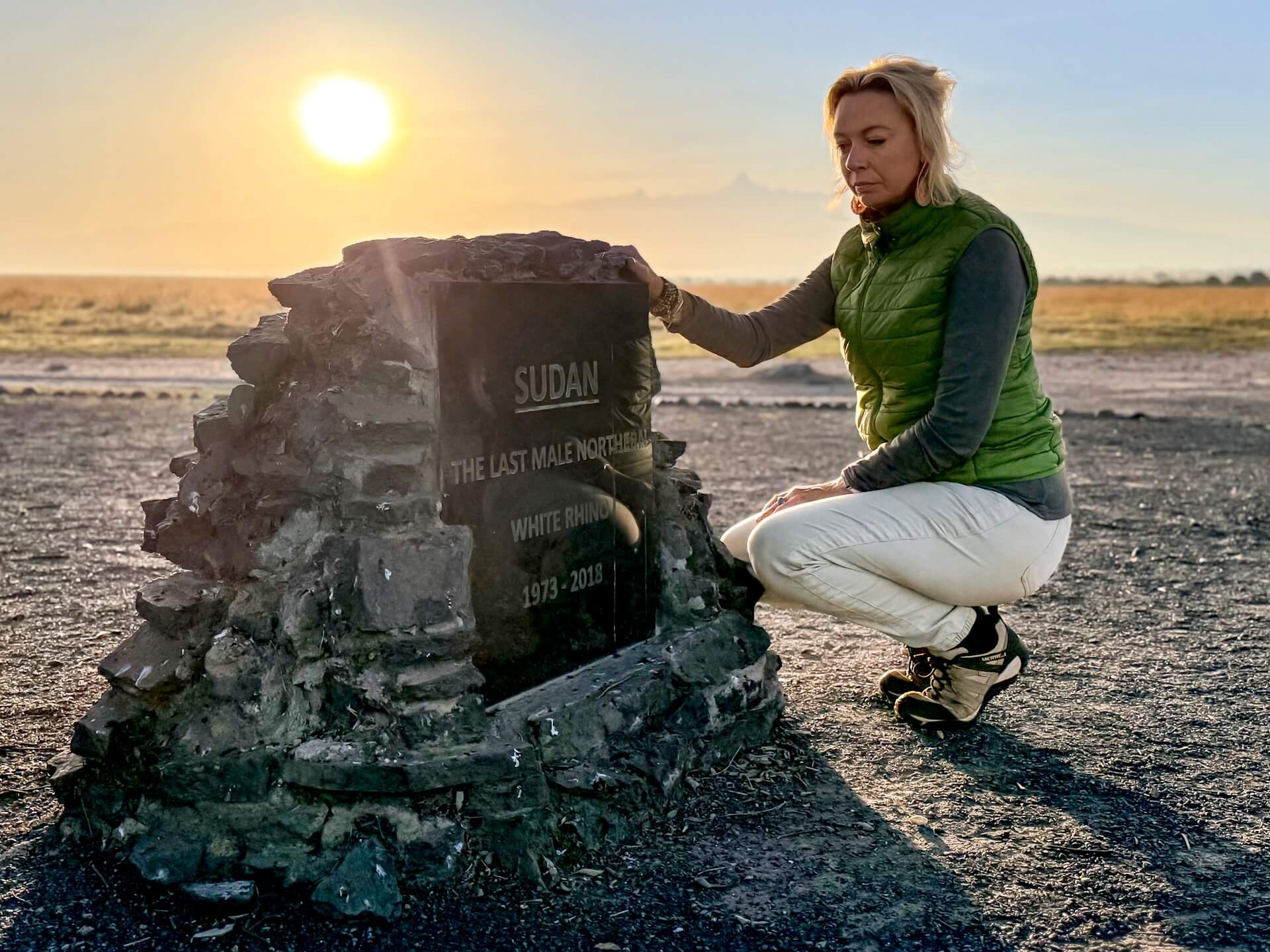
Natural reproduction failed repeatedly. Veterinary assessments revealed that both Najin and Fatu were unable to carry a pregnancy naturally. Sudan — the last remaining male northern white rhino on Earth — had a disappointingly low sperm count. In 2014, Suni died. In July 2015, the two remaining northern white rhinos in captivity passed away. And then, in March 2018, Sudan died of natural causes, leaving Najin and Fatu as the only two northern white rhinos anywhere in the world.
To many, it seemed like the end.

Najin & Fatu with their keepers. Image x Ami Vitale
Can the Northern White Rhino Be Saved? The BioRescue Project
Ol Pejeta chose not to accept extinction as the answer. In the years following Sudan's death, Ol Pejeta partnered with a consortium of international scientists on the BioRescue project — one of the most ambitious conservation science initiatives ever undertaken. The approach: use cryogenically preserved sperm from northern white rhino males who had already died, combine it with eggs collected from Fatu, and create viable embryos which could then be implanted into southern white rhino surrogates.
It had never been done before. IVF had never been successfully performed on any rhino species. The scientists began by testing the embryo transfer process using southern white rhinos — animals closely enough related to serve as surrogates, and numerous enough to allow for careful experimentation.
In 2023, the project made history. A southern white rhino surrogate successfully carried a rhino embryo — the first time an embryo transfer of this kind had ever worked in rhinos. The news made headlines around the world. It was, in every sense, a breakthrough. Tragically, the surrogate rhino died during her pregnancy from a bacterial infection — a cruel stroke of bad luck that had nothing to do with the procedure itself. But the scientific community took a breath and recognised what had actually happened: proof of concept. The method works.
The next step is to implant a northern white rhino embryo into a southern white surrogate, with the goal of welcoming the first northern white rhino calf born since Fatu herself in 2000. Najin and Fatu are not the end of their species. They may yet be the beginning of its return.

Fatu is preparing for the procedure to retrieve her eggs. Image x Ali Vitale
Where Are Najin and Fatu Now?
Najin and Fatu live within a 700-acre predator-free enclosure inside Ol Pejeta Conservancy, under 24-hour monitoring and care from a dedicated team of rangers and veterinary staff who have been with them for years. A selection of southern white rhinos — candidates being assessed for surrogacy — share their protected area.
Their daily lives are, by all accounts, peaceful. They graze. They sleep. They move at their own pace across their protected territory, watched over constantly by people who know them individually — their habits, their moods, their preferences. It is one of the most intensive and tender conservation programmes in the world, and it is happening quietly, every day, on this conservancy.

Najin & Fatu on Ol Pejeta Conservancy. Image x Ol Pejeta Conservancy
Can You Visit the Northern White Rhinos at Ol Pejeta?
Yes! And we think it's one of the most important things you can do on a visit to Kenya.
Visits to Najin and Fatu are available to all guests at Ol Pejeta Conservancy on pre-arranged tours. Visitors enter the northern white rhino enclosure accompanied by their keepers, who share the story of the BioRescue project, introduce you to the rhinos individually, and answer questions with the patience and knowledge of people who have dedicated their working lives to this cause.
Standing beside an animal that represents the entire remaining population of its subspecies is not something that leaves you quickly. Our guests who visit them almost always say the same thing: that they didn't expect to feel so much.
Guests staying at The Safari Cottages can arrange a northern white rhino visit as part of their stay. We're a short drive from the enclosure and we'll help coordinate everything — just let us know when you book.
Want to learn more before you visit? National Geographic's documentary The Last Rhinos: A New Hope covers the BioRescue project in extraordinary detail. We recommend it.
Frequently Asked Questions About the Northern White Rhinos
-
Two. Najin and Fatu, both female, both living at Ol Pejeta Conservancy in Kenya. There are no northern white rhinos in any other location on Earth.
-
Northern and southern white rhinos are two subspecies of white rhino. Southern white rhinos — of which there are around 20,000 — were brought back from the brink of extinction in the twentieth century and are now considered near-threatened. Northern white rhinos are functionally extinct in the wild, with only Najin and Fatu surviving. Though closely related, the two subspecies are genetically distinct.
-
Scientists working on the BioRescue project believe so. Using preserved genetic material from deceased northern white rhino males and eggs from Fatu, viable embryos have already been created. The next step is a successful embryo transfer into a southern white rhino surrogate. The 2023 proof-of-concept transfer — though ultimately unsuccessful due to a bacterial infection in the surrogate — demonstrated that the method itself is scientifically viable.
-
Only at Ol Pejeta Conservancy in Kenya. There is no other place on Earth where northern white rhinos can be seen. Visits are available to conservancy guests on pre-arranged tours.
-
Najin is the mother and the older of the two. Fatu, her daughter, was born in 2000 and is the younger rhino. It is Fatu's eggs that are being used in the BioRescue embryo programme, as Najin's hind legs make the egg collection procedure inadvisable for her.
Visit Najin and Fatu at Ol Pejeta
A stay at The Safari Cottages puts you minutes from the most important conservation story in the world. We would love to take you to meet them.
Photographs from PAST GUESTS visits to The Northern White Rhinos

Image x Kayla Neilson

Image x Yoga For The Wild

Image x Yoga For The Wild

Image x Yoga For The Wild
KEEP READING
More from the Ol Pejeta Safari Cottages blog
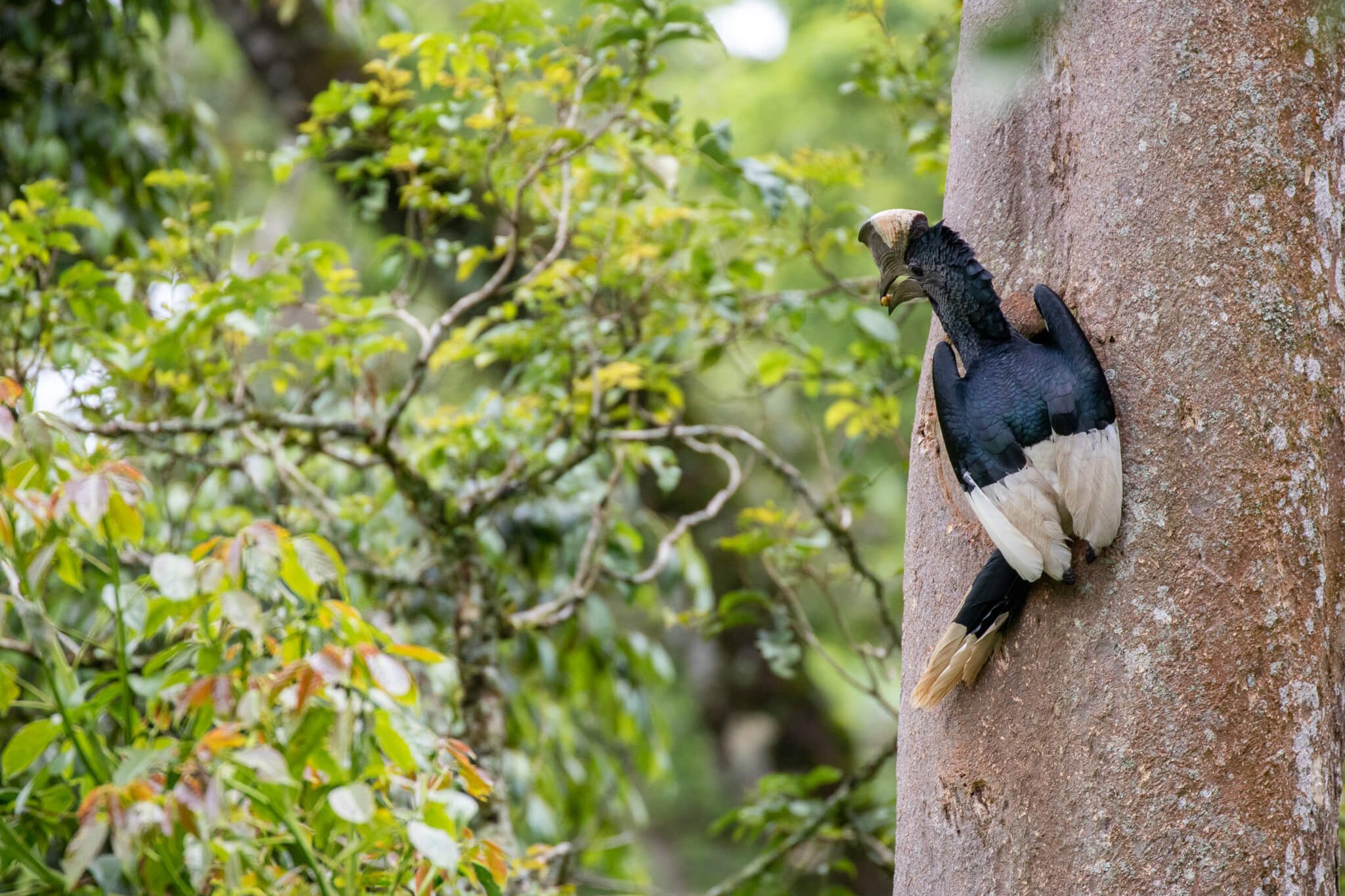
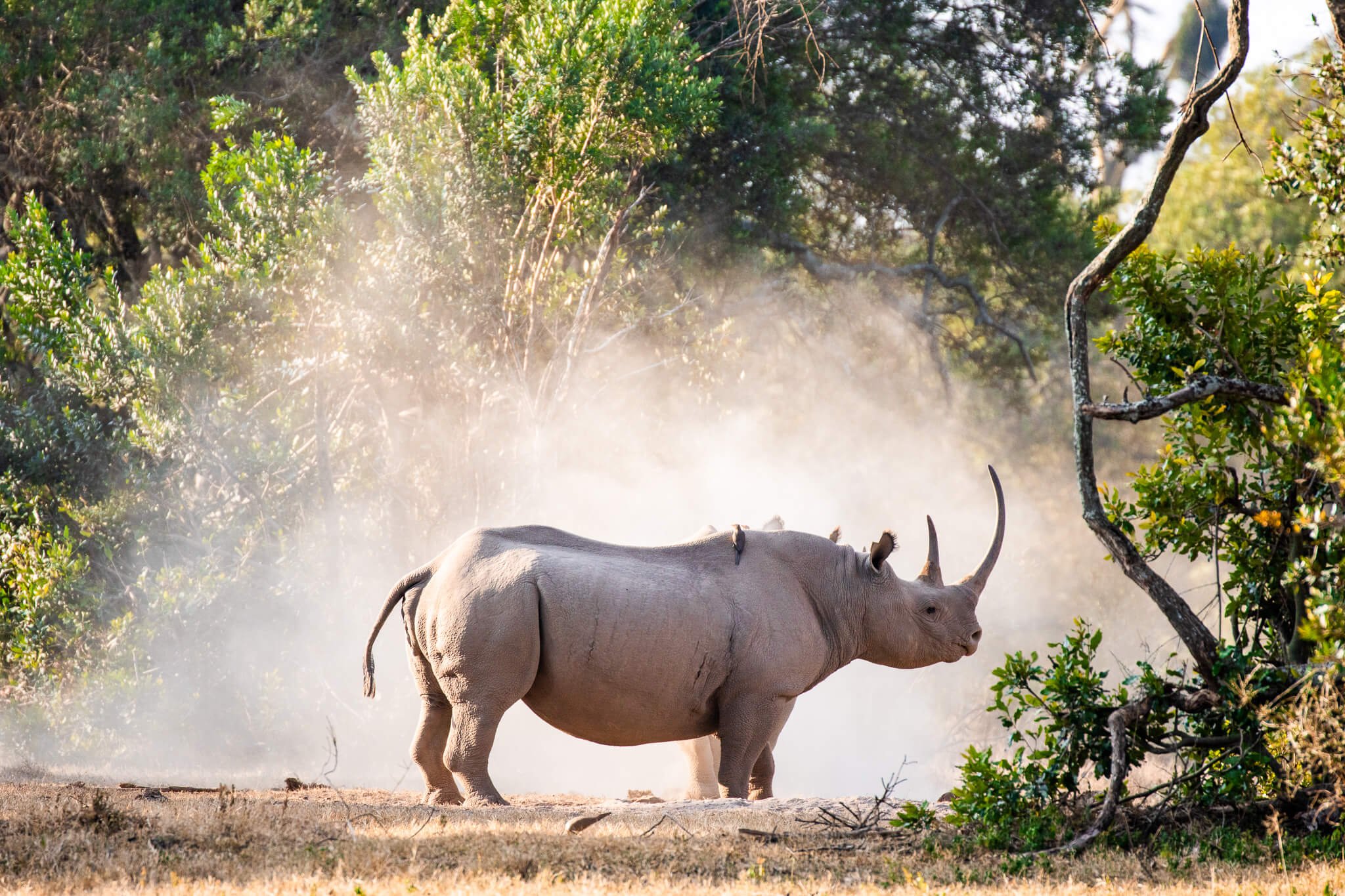
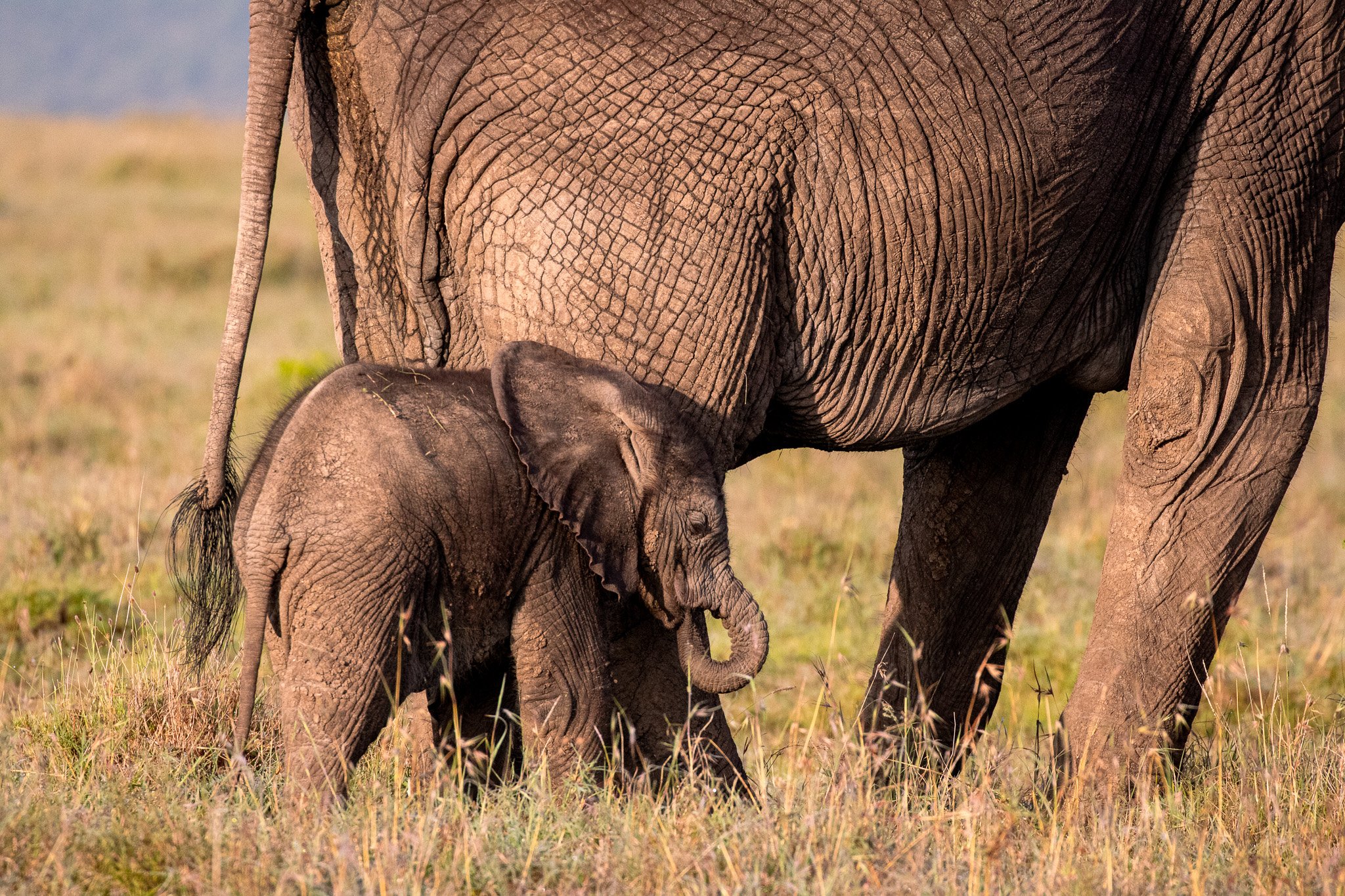
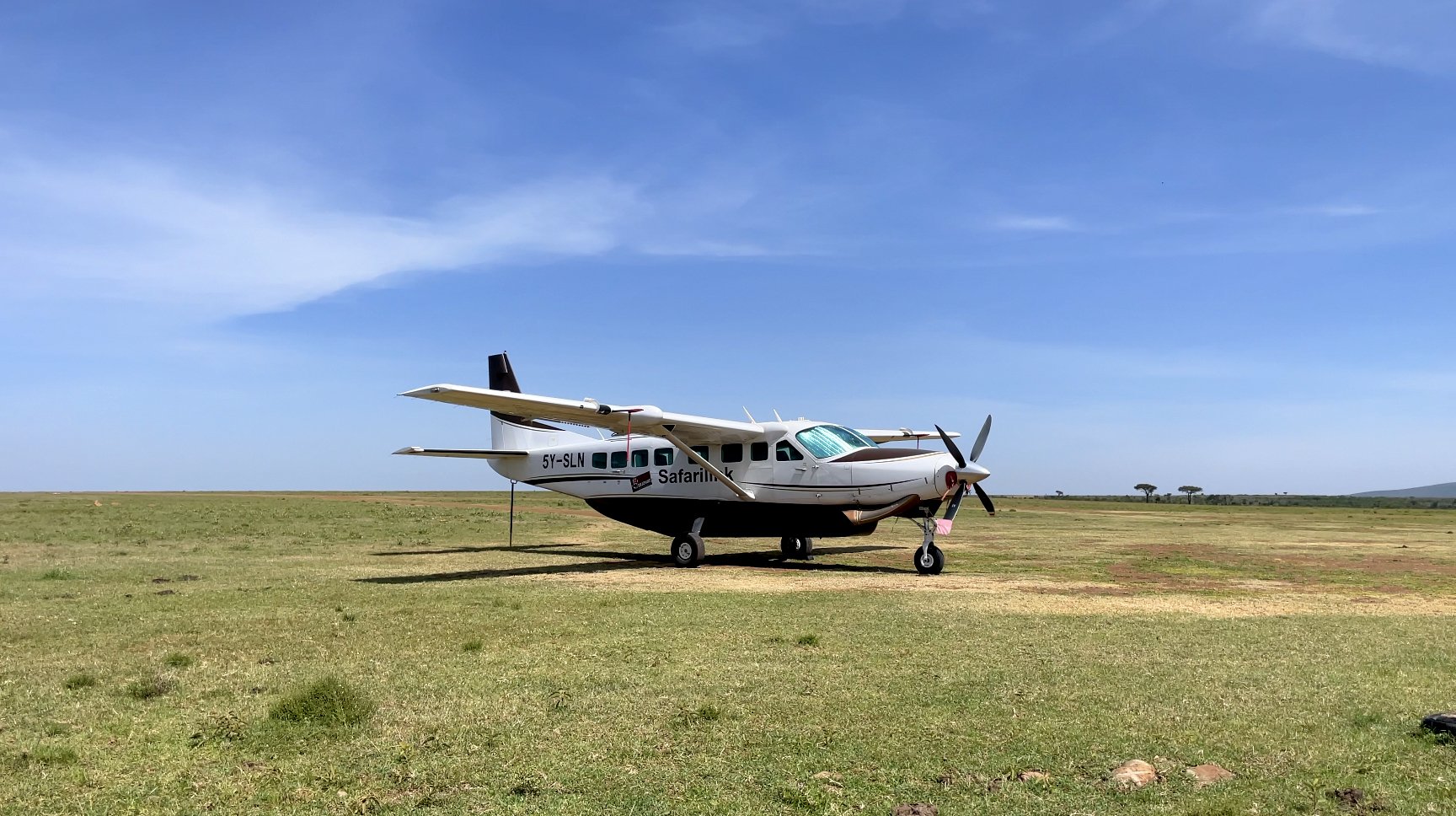





November is green season in Kenya and it is lushly green with afternoon rainfall and flowing rivers. It offers something rare: lush landscapes, solitude before the December holiday rush, and exceptional shoulder-season value.