

Travelling to Kenya in November: Green Season, Migratory Birds & Excellent Value
November is green season in Kenya and it is lushly green with afternoon rainfall and flowing rivers. It offers something rare: lush landscapes, solitude before the December holiday rush, and exceptional shoulder-season value.
November is green season and it really is lushly green. The short rains that began in late October are falling in earnest now and the landscape is at its most dramatic. Rivers flow, vegetation is thick and alive and this is exactly why many experienced safari-goers book November over the more popular months of July and August.
November doesn't appear on most safari itineraries. Most travel guides push June–August or December, but you’ll find that November, much like May, sits beautifully in between, which is precisely what makes it such a wonderful time of year, especially on Ol Pejeta. You get a completely different safari experience: lush, dramatic, wildlife-rich, with migratory birds arriving from across Africa and Europe.
Here's what you can expect from your November safari.
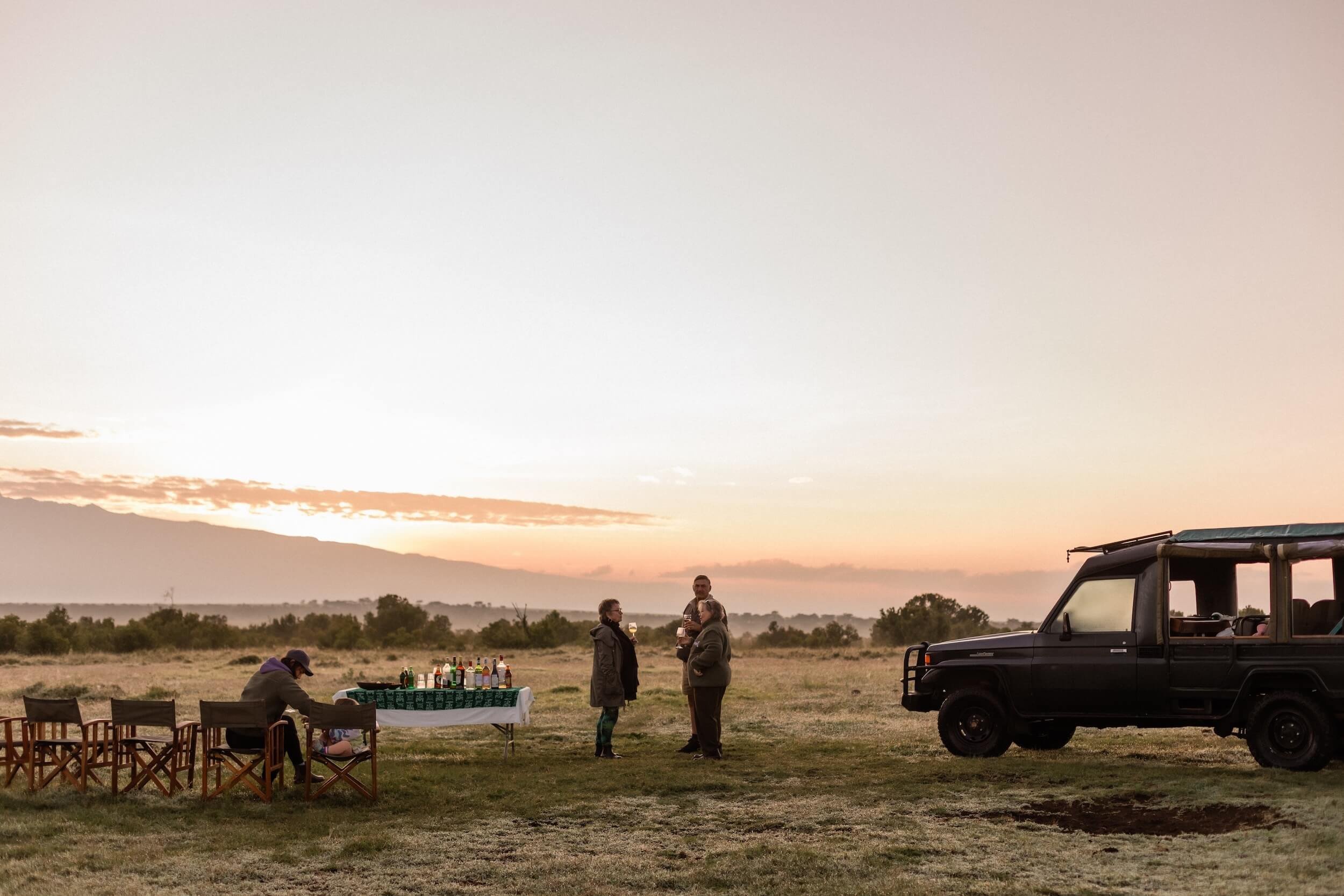
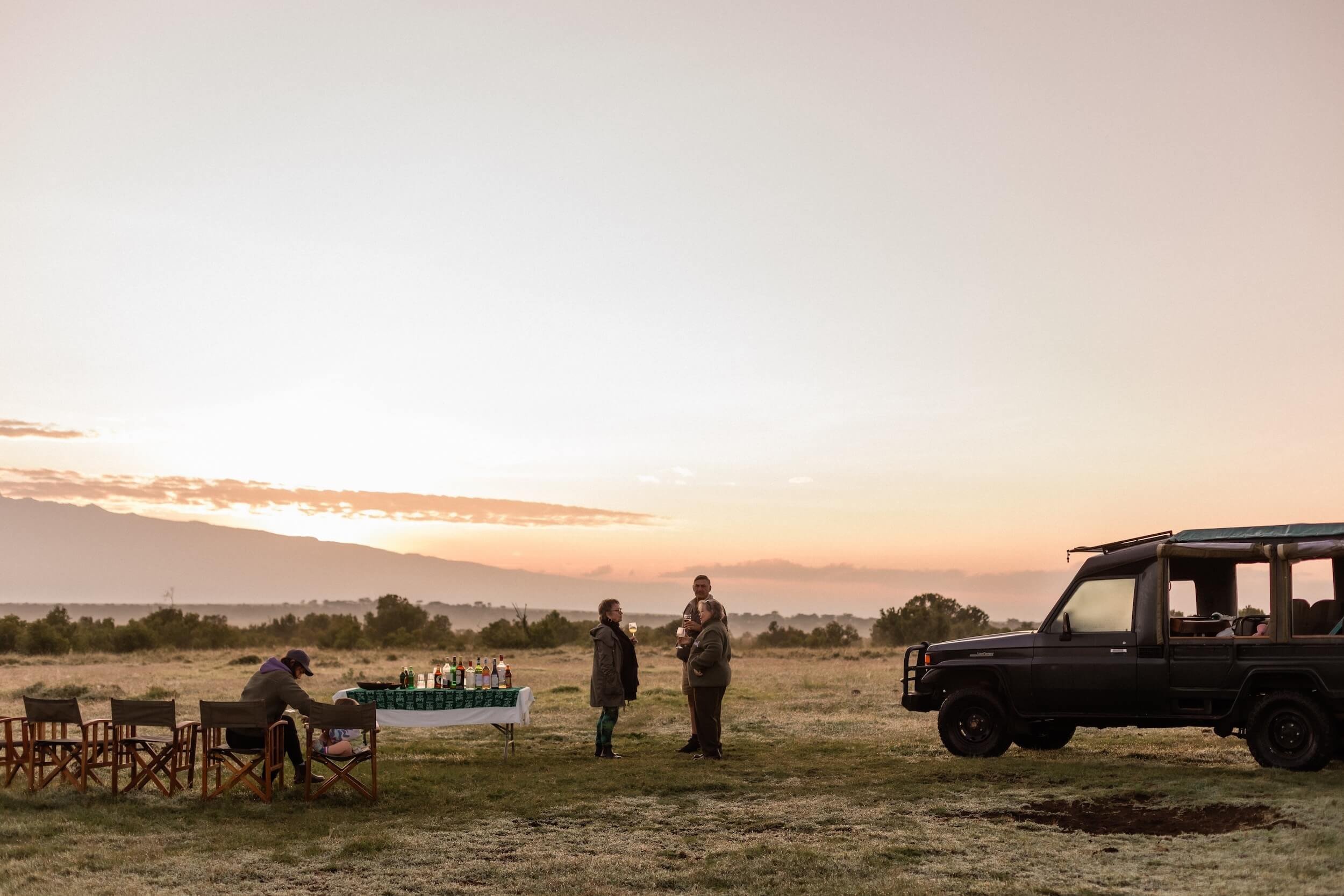
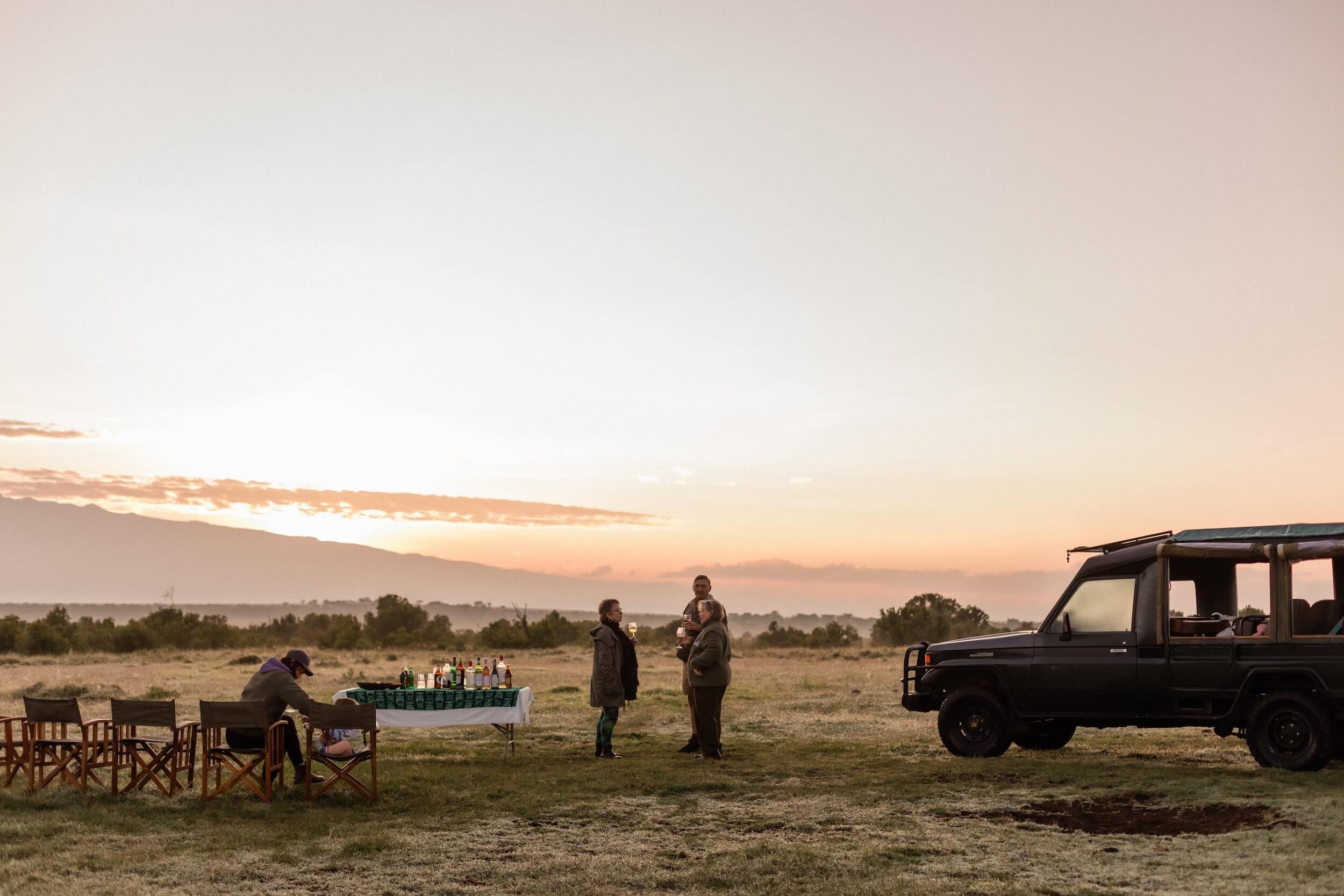
Sundowers on Ol Pejeta Conservancy
November is Green Season, that means…
The short rains often begin in late October and continue into November. Depending on weather patterns, you might experience afternoon showers most days, or occasional scattered rainfall in the evenings. November is a transition season, offering the bush some light relief, with all the drama and beauty that entails, before another dry spell. It brings about an entirely green landscape, flowing rivers, thick vegetation, and the energy of an ecosystem at full capacity.
1) THE LANDSCAPE IS DRAMATICALLY GREEN AND PHOTOGRAPHICALLY STUNNING
Yes, there's rain. Yes, you might experience an afternoon shower on a game drive. But November's green is worth the mud on your boots! Trees are in full leaf, grass is fresh, rivers that are trickle in August are flowing strongly. The entire ecosystem is visibly thriving.
For photographers, the light is soft from cloud cover, the colours are saturated and rich, and the landscape has a primordial quality you don't get in the dusty months. Those dramatic cloud formations build in the afternoons and when the sun breaks through green foliage, the contrast is extraordinary.
The vegetation is thick enough that wildlife viewing is less predictable than dry season — you won't see animals from five kilometers away — but it also means the landscape is really wild and wholly different from what most safari visitors experience.
2) THOUSANDS OF MIGRATORY BIRDS ARE ARRIVING
This is the birding month that surprises guests. The Palearctic winter has begun, which means migratory bird species from Europe, North Africa, and Central Asia are arriving in Kenya for the season. Species you've never heard of. Species with colors you didn't know birds could be.
Ol Pejeta's already impressive 400+ resident bird species suddenly becomes far more diverse. Your guide will point out European species arriving for the first time of the season. The bird activity too is at peak intensity, which means you’re waking up to a stunning bush choir every day.
If birdwatching matters to you at all, November is exceptional.
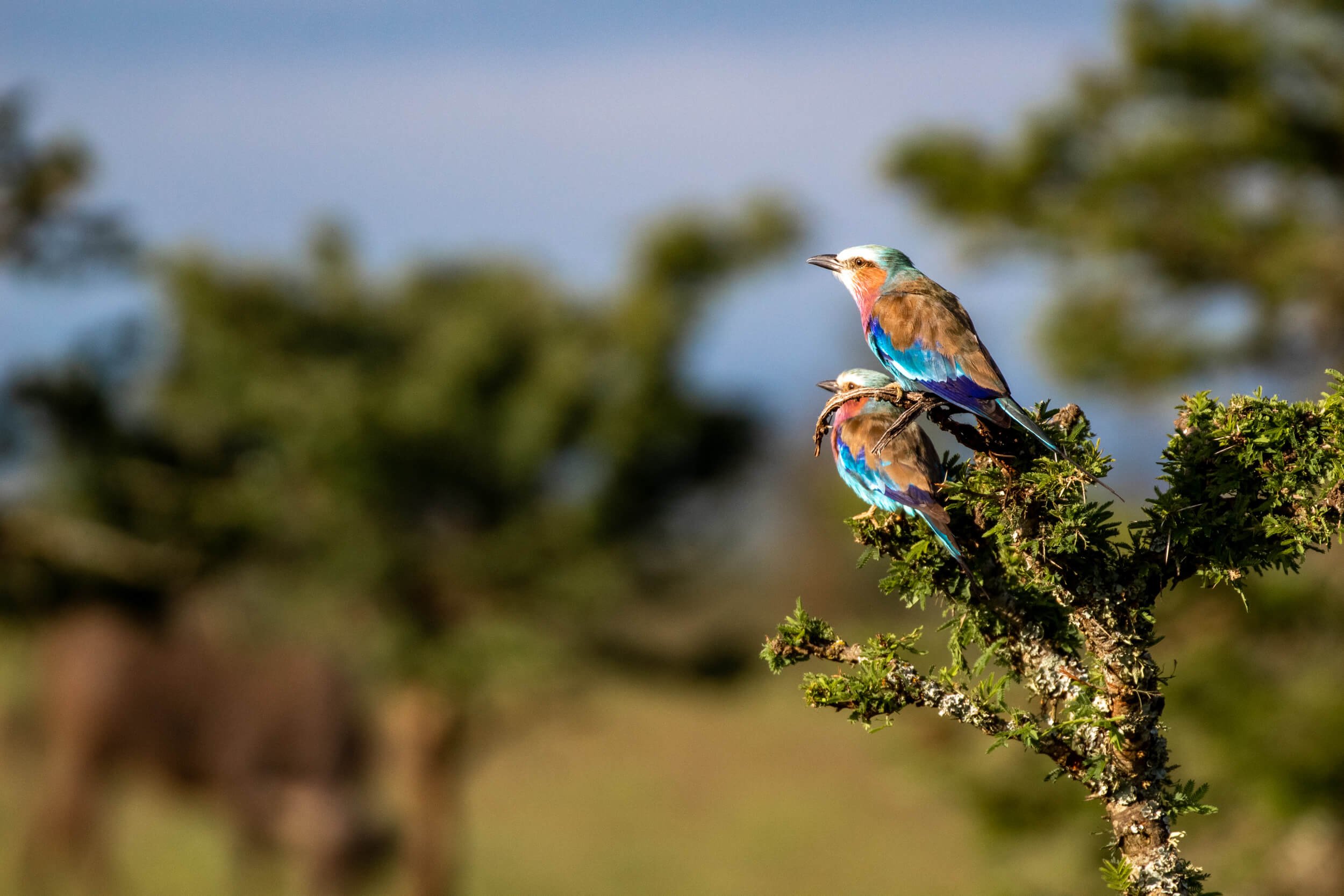
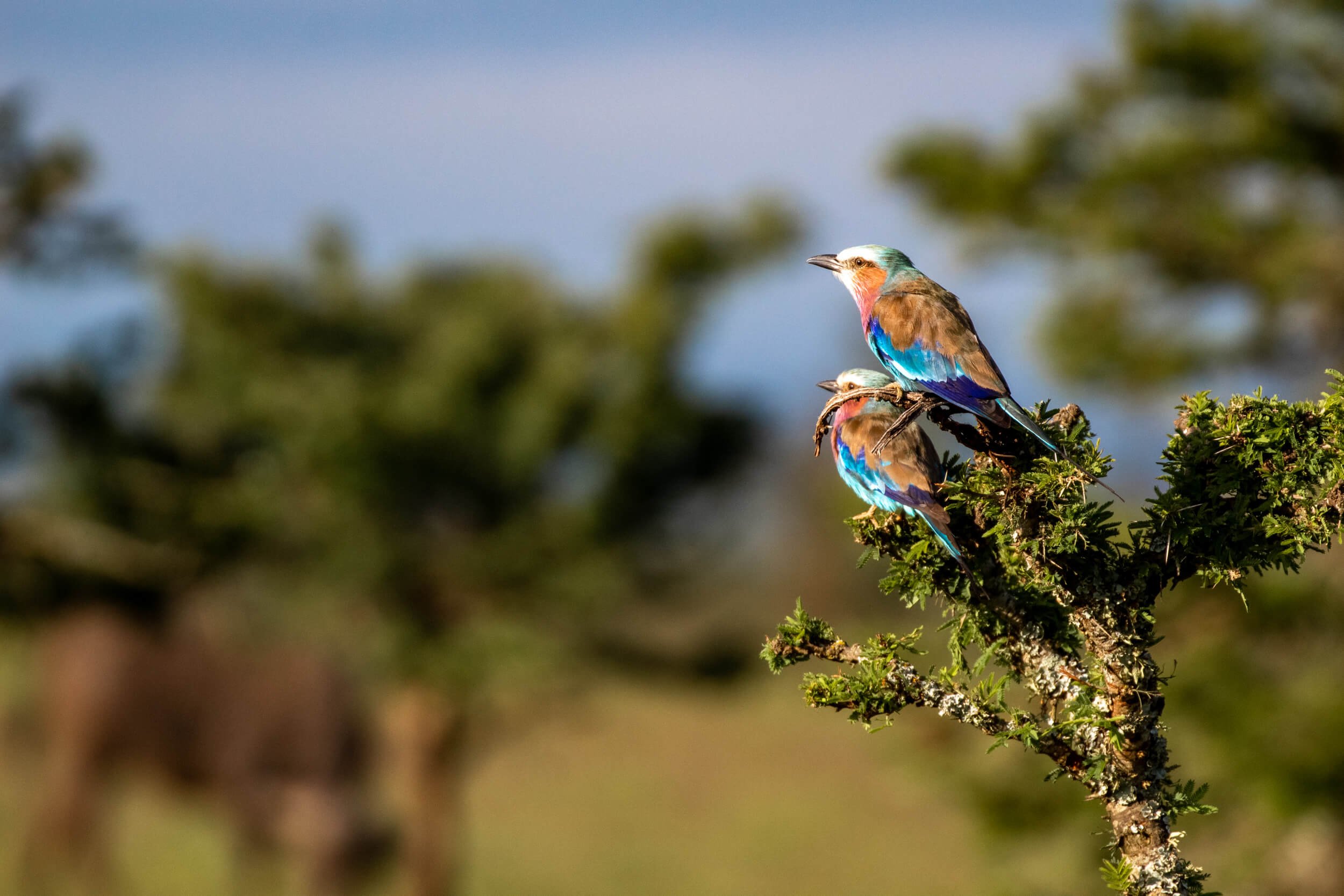
A pair of Lilac Breasted Rollers - resident year round on Ol Pejeta
Is November a Good Time to Visit Kenya for Wildlife?
It depends what you're prioritizing and where you’re going. If you want absolute guaranteed visibility of large predators without rain, June–August is better. If you want lush landscapes and game viewing without crowds then November is exceptional. On Ol Pejeta though, the wildlife is excellent all-year round and roads are all weather, so we stay open and the safari experience is still brilliant. Here's what else you might encounter.
3) WILDLIFE IS ACTIVE AND ABUNDANT
Green season concentrates wildlife differently than dry season. With water abundant across the landscape, animals aren't forced to specific points. They range widely, feeding on fresh vegetation, moving between different areas.
This means your sightings are less predictable than peak dry season; you can’t just pop to the waterhole and stumble across cheetah or an elephant herd. But there’s something special about seeing animals in less predictable environments, in working a little harder to watch a lion kill.
On Ol Pejeta, the black rhino population (over 165 — the largest in East Africa) is spread across the conservancy, lions move through thick bush whilst buffalo herds and other plains game often congregate en masse on the open plains where fresh grass has become abundant. It’s a varied and flourishing ecosystem.
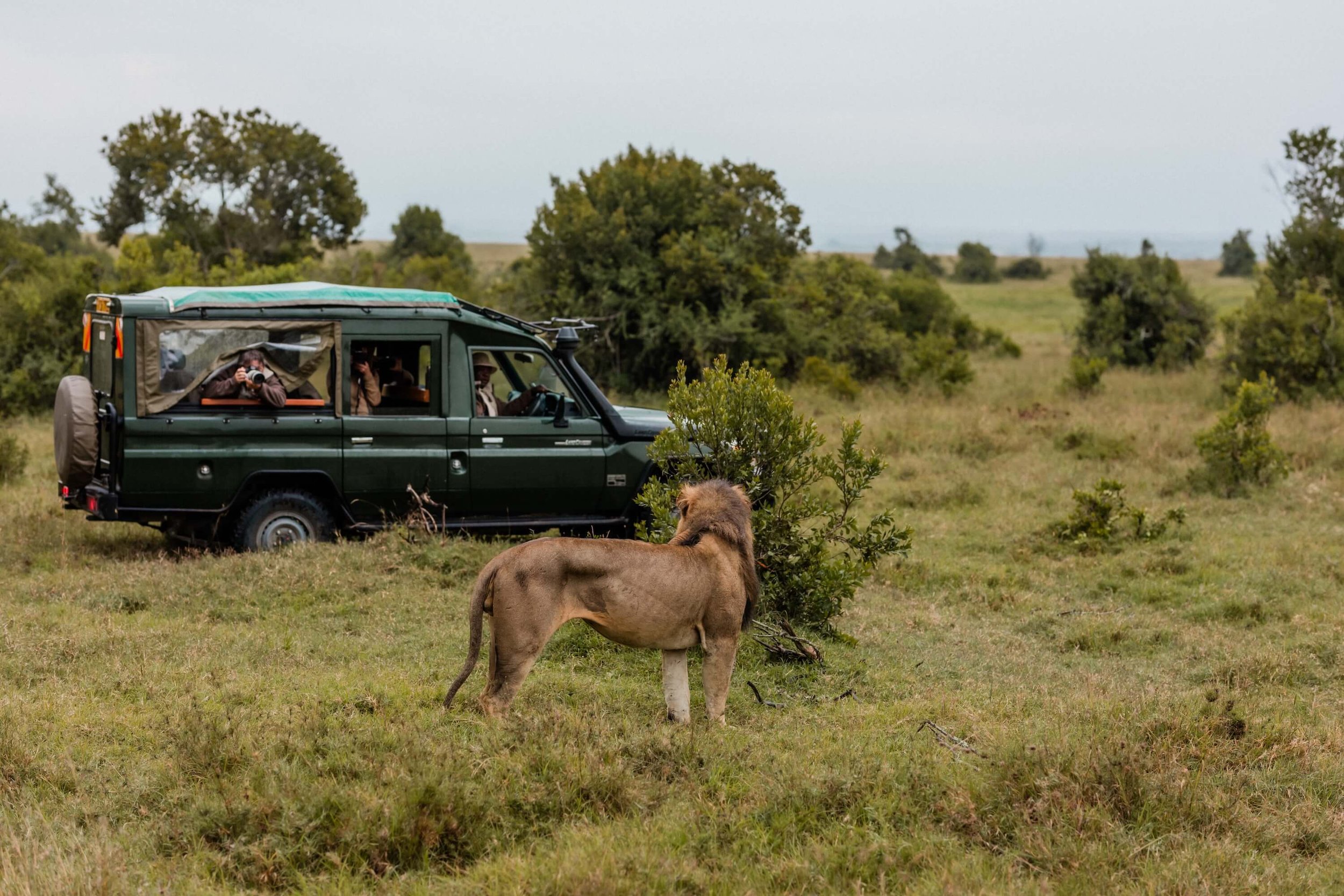
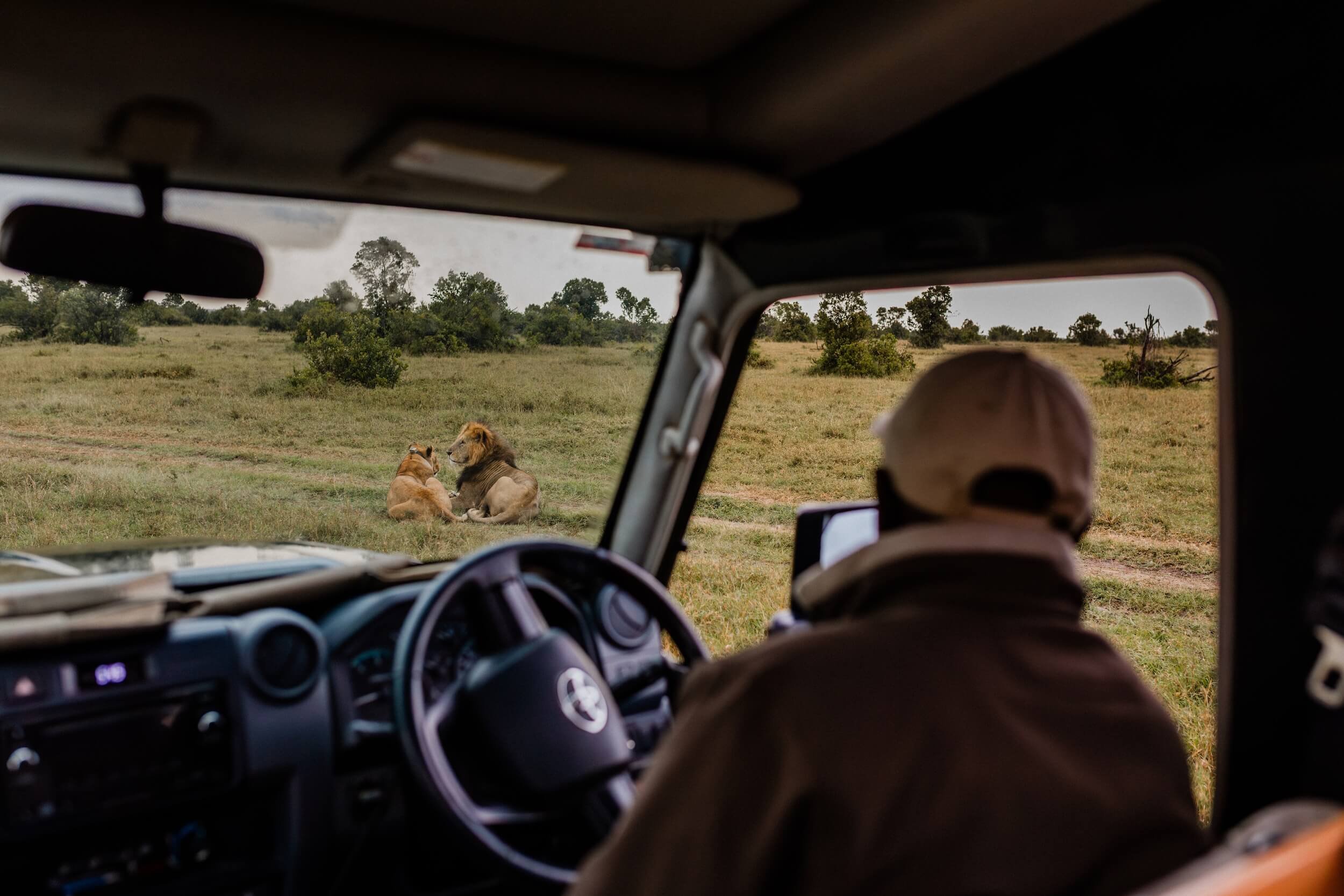
Lions on a game drive in Ol Pejeta
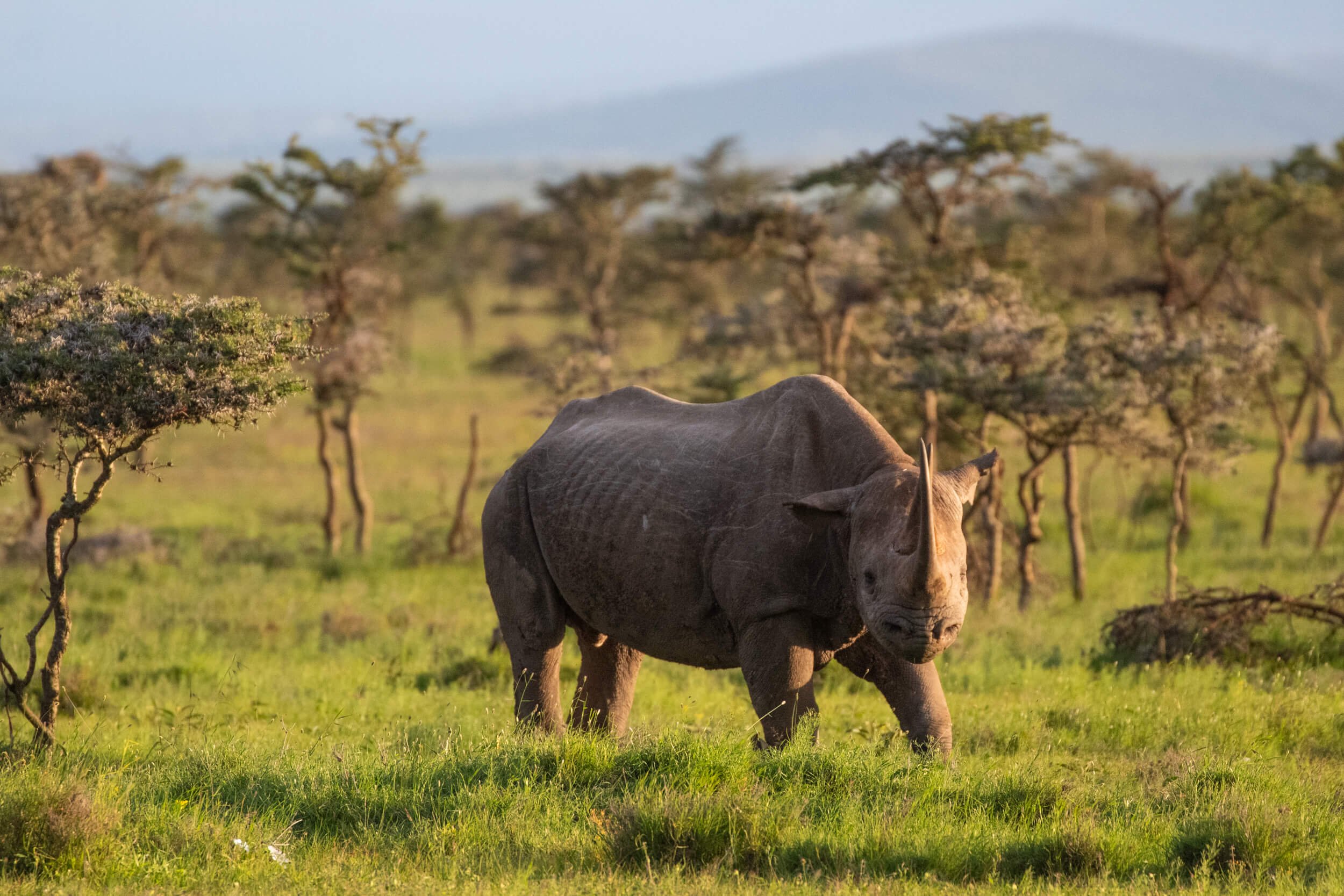
A black rhino on an afternoon game drive
4) YOU'LL HAVE THE CONSERVANCY LARGELY TO YOURSELF
This is the practical magic of November; it sits between the busy seasons of June to October and the festive season. It’s a gem that offers a quiet and full experience without the busyness and high prices.
Visitor numbers are dramatically lower than they'll be in a month when December holiday season arrives. Even on main conservancy roads, you'll experience long stretches of unshared safari time. At Ol Pejeta Safari Cottages, of course, your entire stay is private — your guide, your vehicle, your schedule. But even the broader conservancy feels like it belongs to you.
If you value having the bush feel genuinely wild, November is the month for you.
5) THE VALUE IS EXCEPTIONAL
Early November rates at The Safari Cottages are still at shoulder season level. The premium that begins mid-November (as December holiday bookings approach) hasn't kicked in yet. You're getting green-season landscapes, migratory bird arrivals, and solitude at pre-peak pricing.
For guests who want a different kind of safari the dramatic, lush, genuinely wild reality of green season is for you.

Afternoon tea at Ole Pejeta Safari Cottages
Planning a Kenya Safari in November? What to Actually Expect
Pack for rain, but don't expect it to ruin anything. Afternoon showers are common, but they're usually brief. A light rain jacket is genuinely useful. Waterproof bag for camera gear. But rain showers aren't obstacles — they're part of the green-season experience.
Embrace the mud. Roads can be muddy after rain. Game driving requires slightly more patience. But muddy roads mean the landscape is alive, rivers are flowing, and you're seeing Kenya as it actually is rather than as a curated park experience.
Dress for warmth and layers. Green season isn't cold, but mornings can be cool and the air can feel damp from recent rain. A fleece or light layer for early game drives. By midday, you'll be warm.
Consider a birdwatching focus. If birds interest you, tell your guide. November's migratory arrivals create exceptional opportunities. You'll see species you won't see in other months.
The Safari Cottages are open all year and ready to welcome you in November. Send us an enquiry to start planning your green-season safari.
More from The Safari Cottages blog…





July: When the Migration Peaks. What to Expect from your Kenya Safari in July.
July is peak season in Kenya — and for good reason. The wildebeest migration has crossed from Tanzania into the Masai Mara, creating one of the world's greatest wildlife spectacles. Clear skies, concentrated wildlife, and all but guaranteed sightings make July exceptional for safari, though prices reflect the demand and early booking (3+ months) is essential. Here’s what we love about Kenya in July…
July is peak season and the dry season is in full swing too. The wildebeest migration has crossed from Tanzania into the Masai Mara, enticing visitors from all over the globe to witness one of the seven natural wonders of the world. Prices reflect the demand, but if seeing one of the world's greatest wildlife spectacles is on your bucket list, July is the month to do it.
Here’s what you can expect when you book a July safari to Kenya…
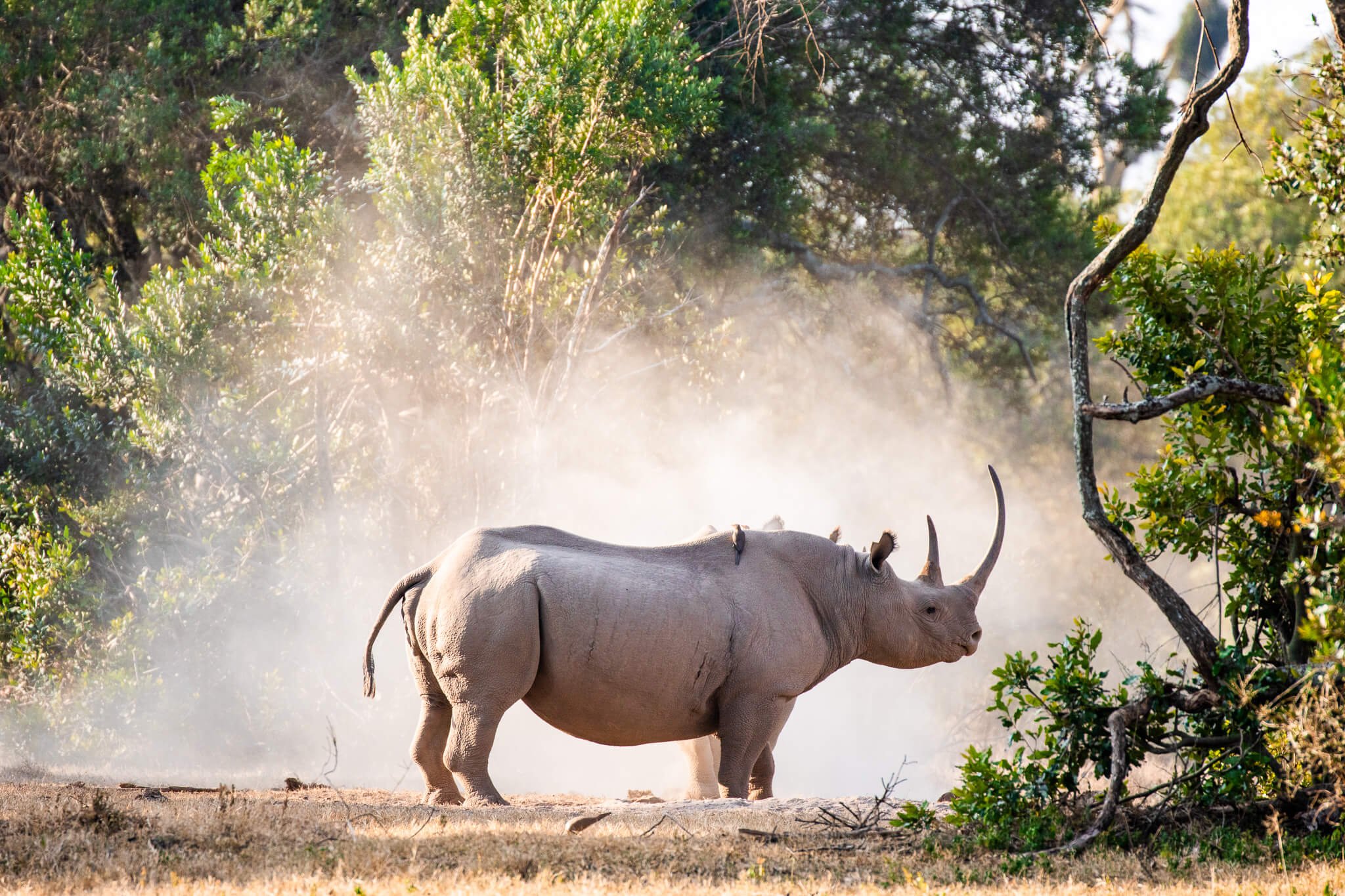
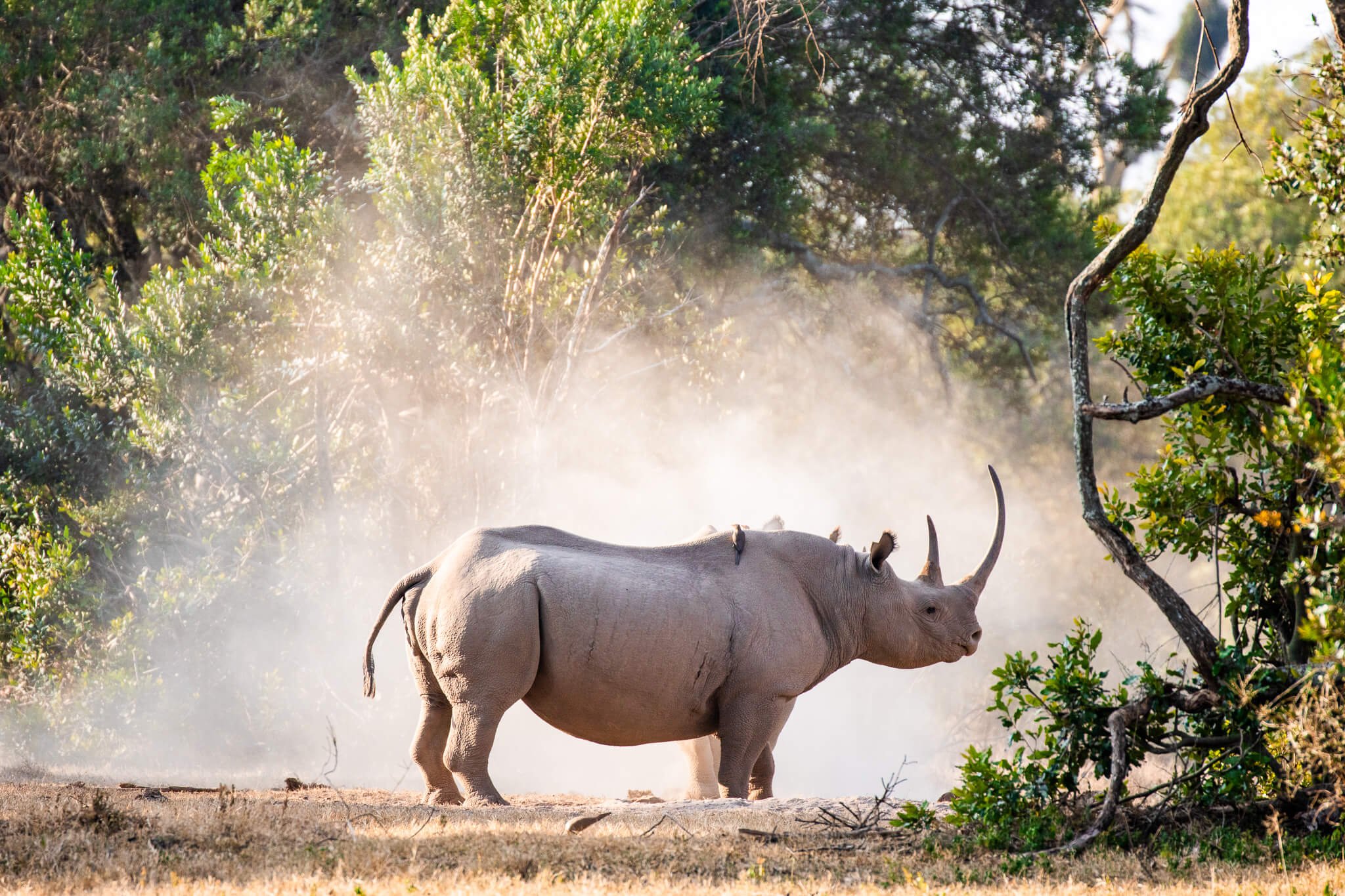
A black rhino kicking up dust on Ol Pejeta
The Great Wildebeest Migration
If you've ever seen footage of wildebeest crossing a river — thousands of them, crocodiles waiting below, the absolute chaos of survival — you were watching the migration. July is when this kicks off and it’s at its most dramatic. Hundreds of thousands of wildebeest and zebra are moving north through Kenya, following the rains. They cross rivers, they're hunted by lions and crocodiles and, overall, it's one of the most spectacular wildlife events on Earth! This isn't something you see every day. This is bucket-list safari. So if you've dreamed of witnessing Africa's greatest wildlife spectacle, July makes it happen.
Peak Dry Season Means Perfect Conditions
July is at the height of the dry season. Historically this meant clear skies every morning and chilly starts and finishes along with excellent visibility. But it’s important to bear in mind that weather patterns are shifting and July and August have been seeing intermitent rainfall, especially in the afternoons and evening for years now. Despite occasional sporadic rains though, it’s largely dry and dusty and animals concentrate around remaining water sources, which means guides know exactly where to find them. You'll see lions, giraffe, elephants, buffalo, rhinos on an almost daily baisis. Sightings aren't just likely, they're practically guaranteed. The grass is short, the bush is open and you see everything moving across the plains really clearly.
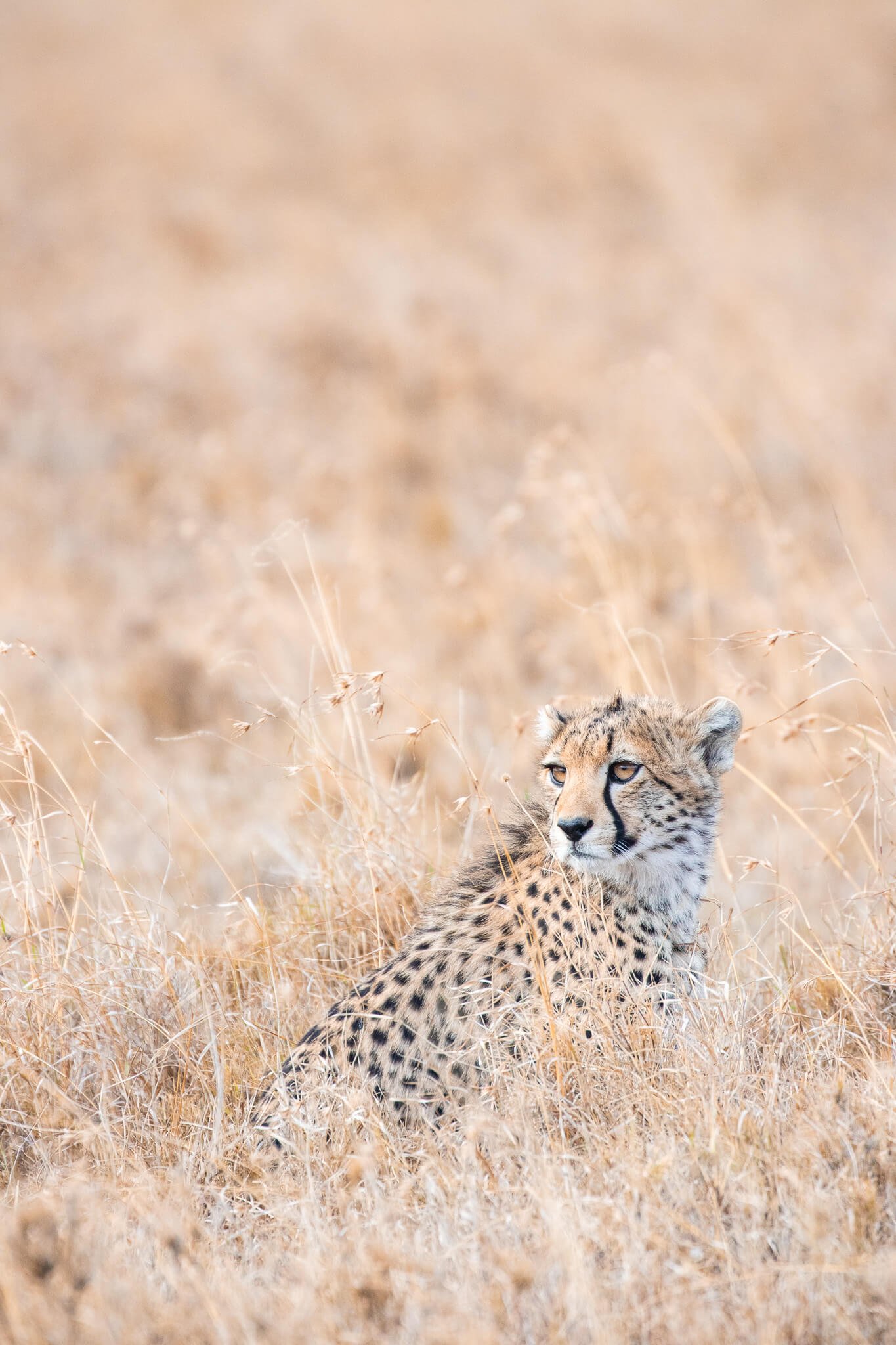
Cheetah are well camouflaged in the dry grassland
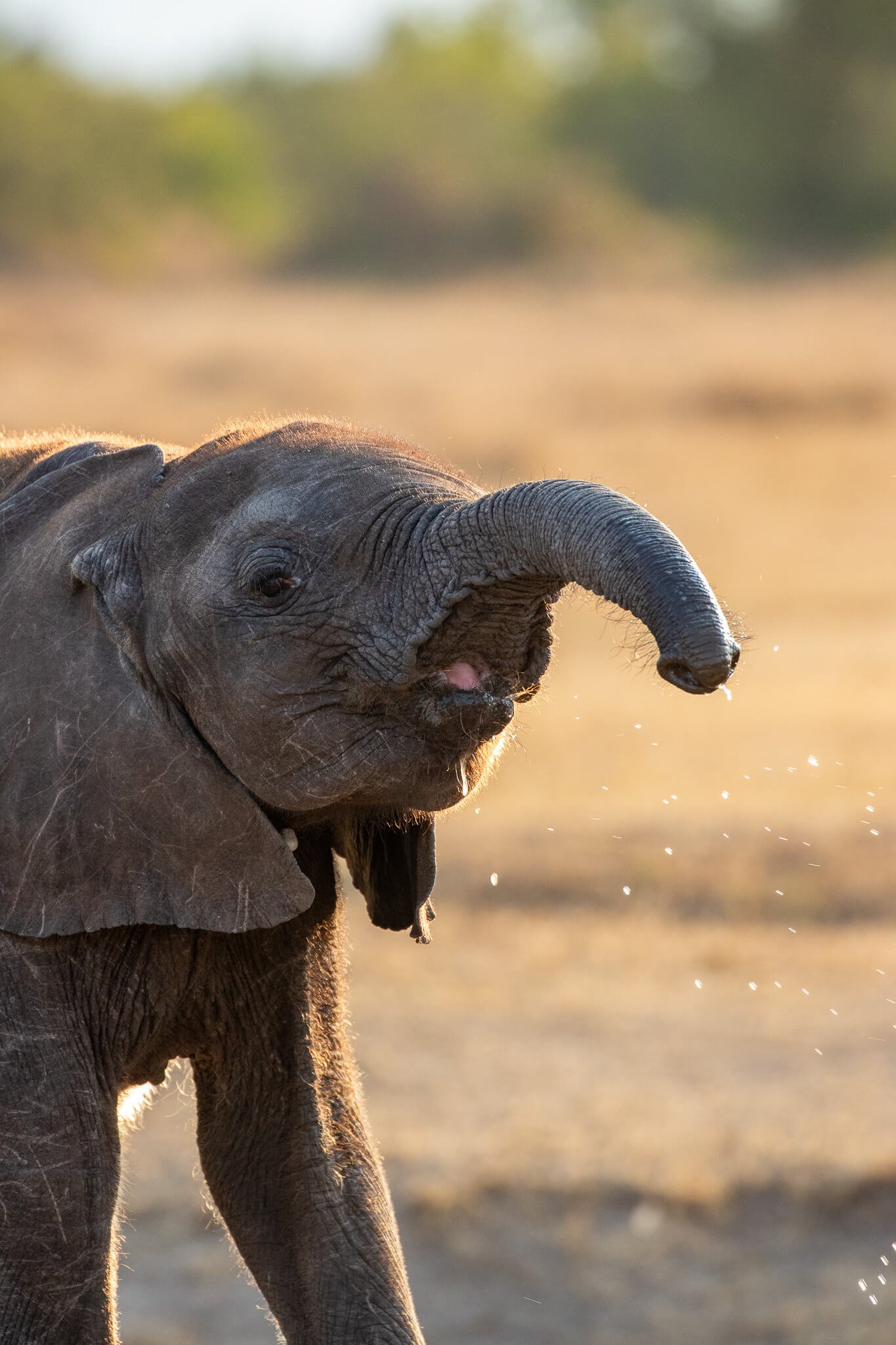
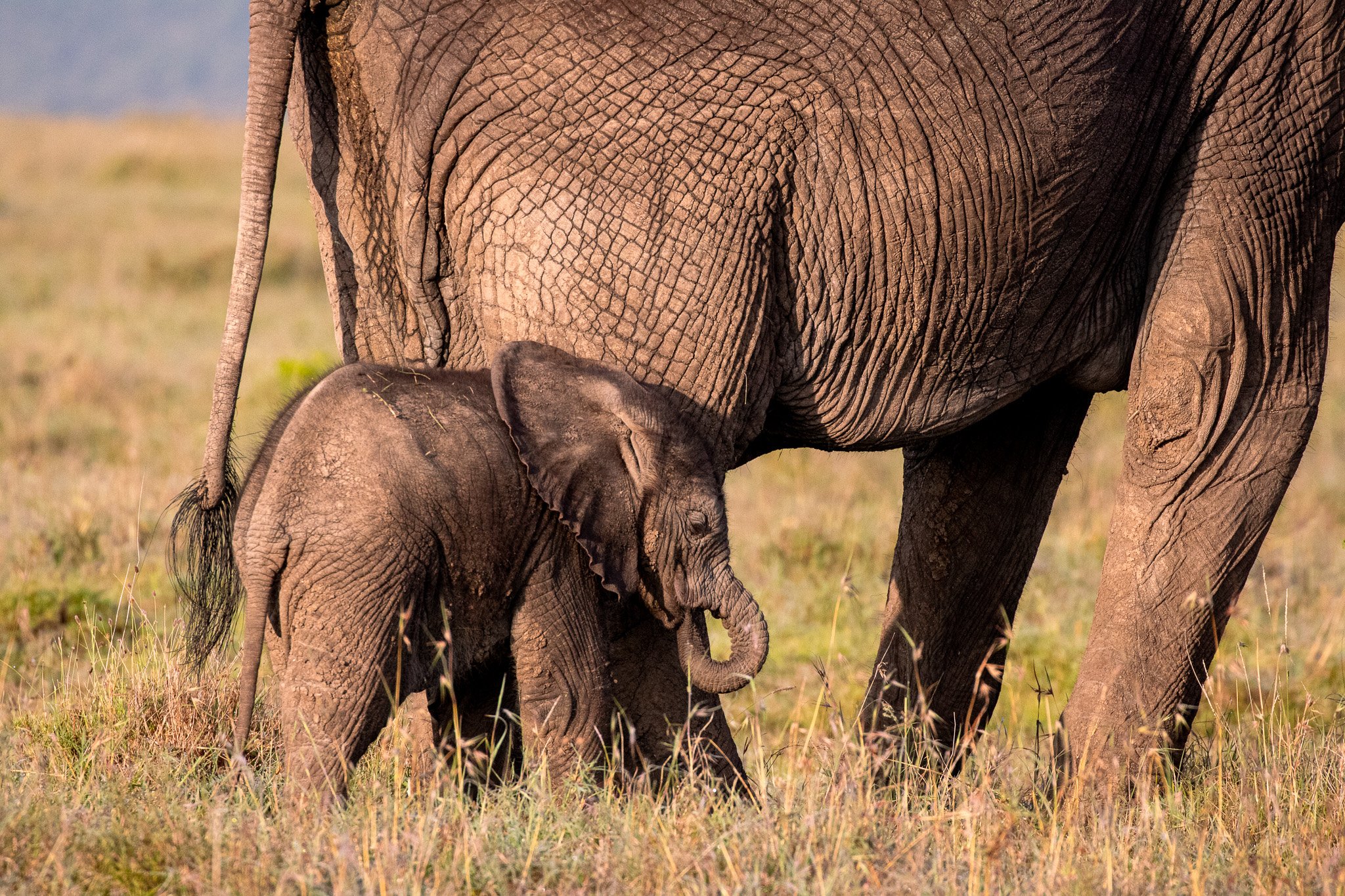
A baby elephant plays in the water on Ol Pejeta
School Holidays Mean Family Travel
If you're travelling with children, July school holidays (at least in the Northern Hemisphere) mean families can actually take extended trips. Many schools break for summer in July, making it the natural family safari month. Ol Pejeta is excellent for families — flexible schedules, private guides, no forced group activities, guides experienced with children. Many families book July specifically because that's when they can travel and they can stay a bit longer to really immerse themselves in all Ol Pejeta has to offer.
The Trade-off: Crowds and Cost
Here's what you need to know: everyone knows July is peak season. The conservancy is busy (everywhere is) and popular lodges book months in advance. Prices are at their highest and you'll likely share sightings with other vehicles, especially if you’re watching the big cats.
At The Safari Cottages we tend to steer clear of the fray and access to the wilderness area, plus having use of a private vehicle and guide mean you're not competing quite as fiercely as guests at shared-vehicle operations in national parks. But you'll still notice more activity than shoulder seasons. Early booking (a minimum of 3 months out) is strongly recommended.
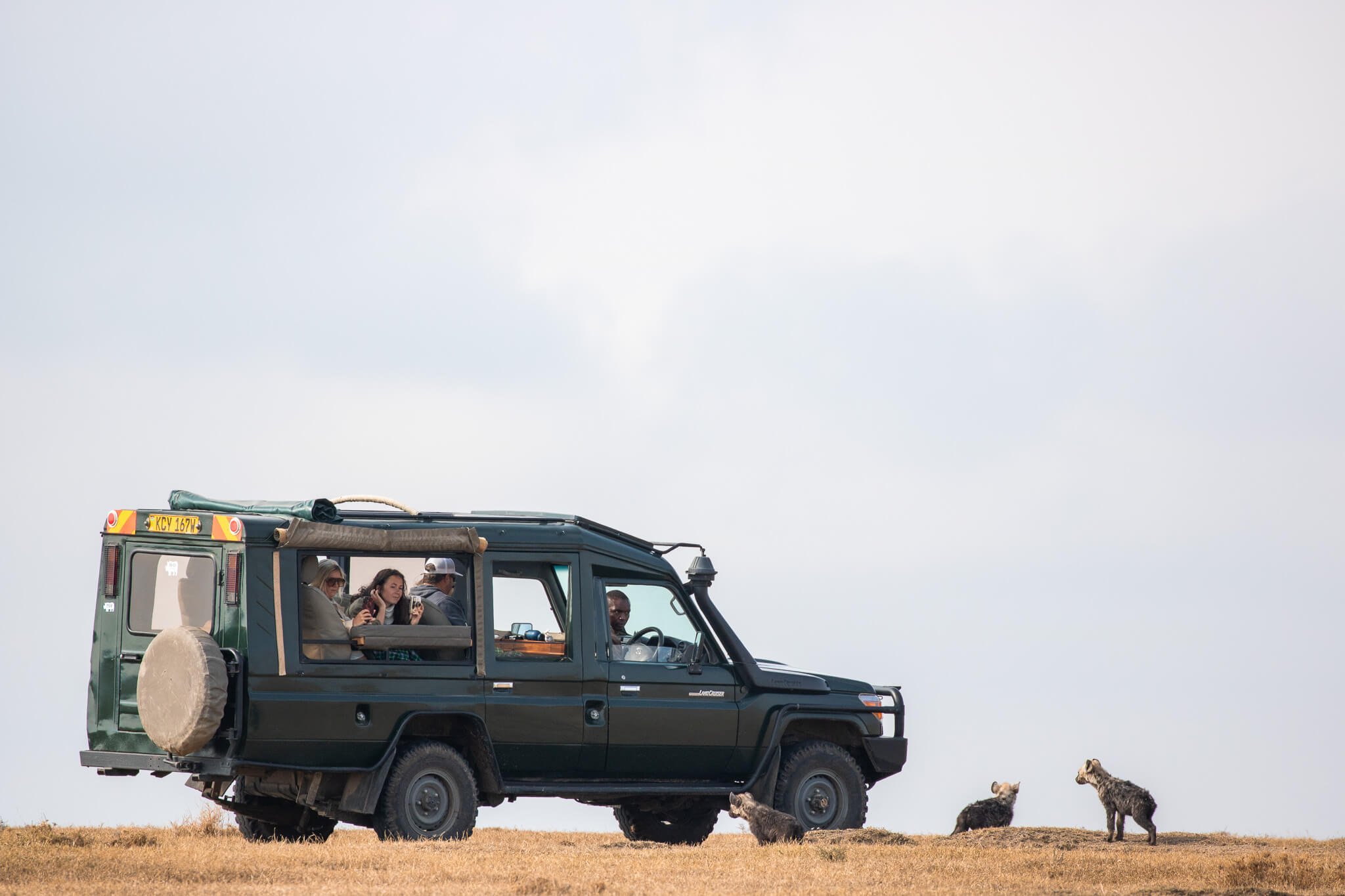
Open plains make wildlife easier to find: curious hyena pups approach an Ol Pejeta Safari Cottages vehicle
July Weather
For the most part you can expect clear skies. Warm days (22–26°C) and cold mornings and nights (10–15°C). The sun is harsh on the the equator, so pack in preparation for this, especially in the middle of the day; hats, layers and sunblock. A chilly breeze carrying from the mountains can make you think it’s cooler than it is. It’s also a bit cooler on the coast, so if you want good weather but don’t want to deal with the heat then July - end of August is a fantastic time to be on Kenya’s beaches.
July Safari Summary
July is for the migration enthusiasts, families with fixed holiday dates, and photographers seeking excellent photographic conditions. It's expensive and crowded, but the wildlife is unmatched and tempertures largely manageable.
If you can only travel once and want the absolute best conditions, July delivers.
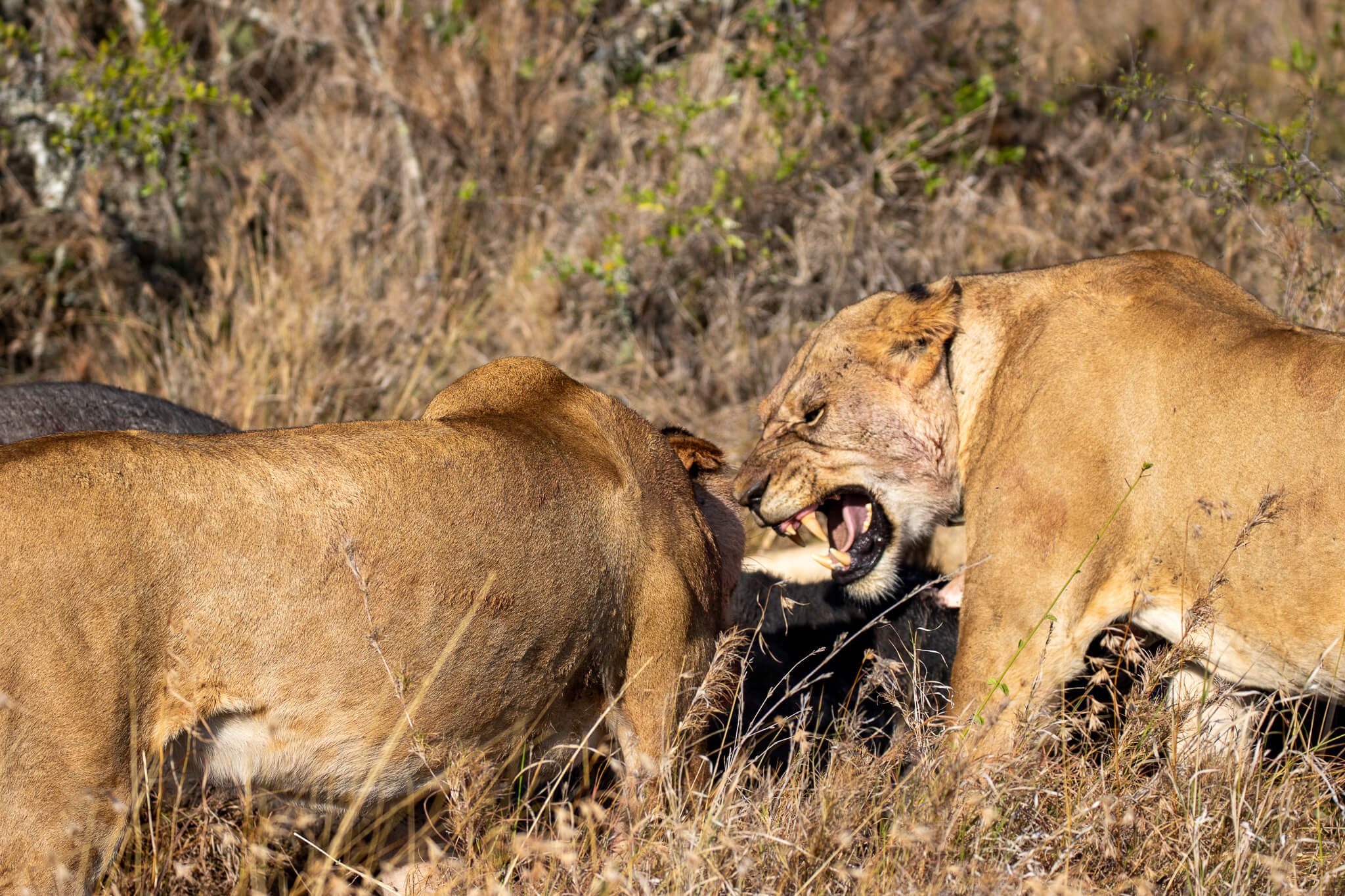
Lions on a buffalo kill on Ol Pejeta Conservancy
Keep Reading
MORE FROM THE SAFARI COTTAGES BLOG

Kenya Safari in March: The Last of the Dry Season
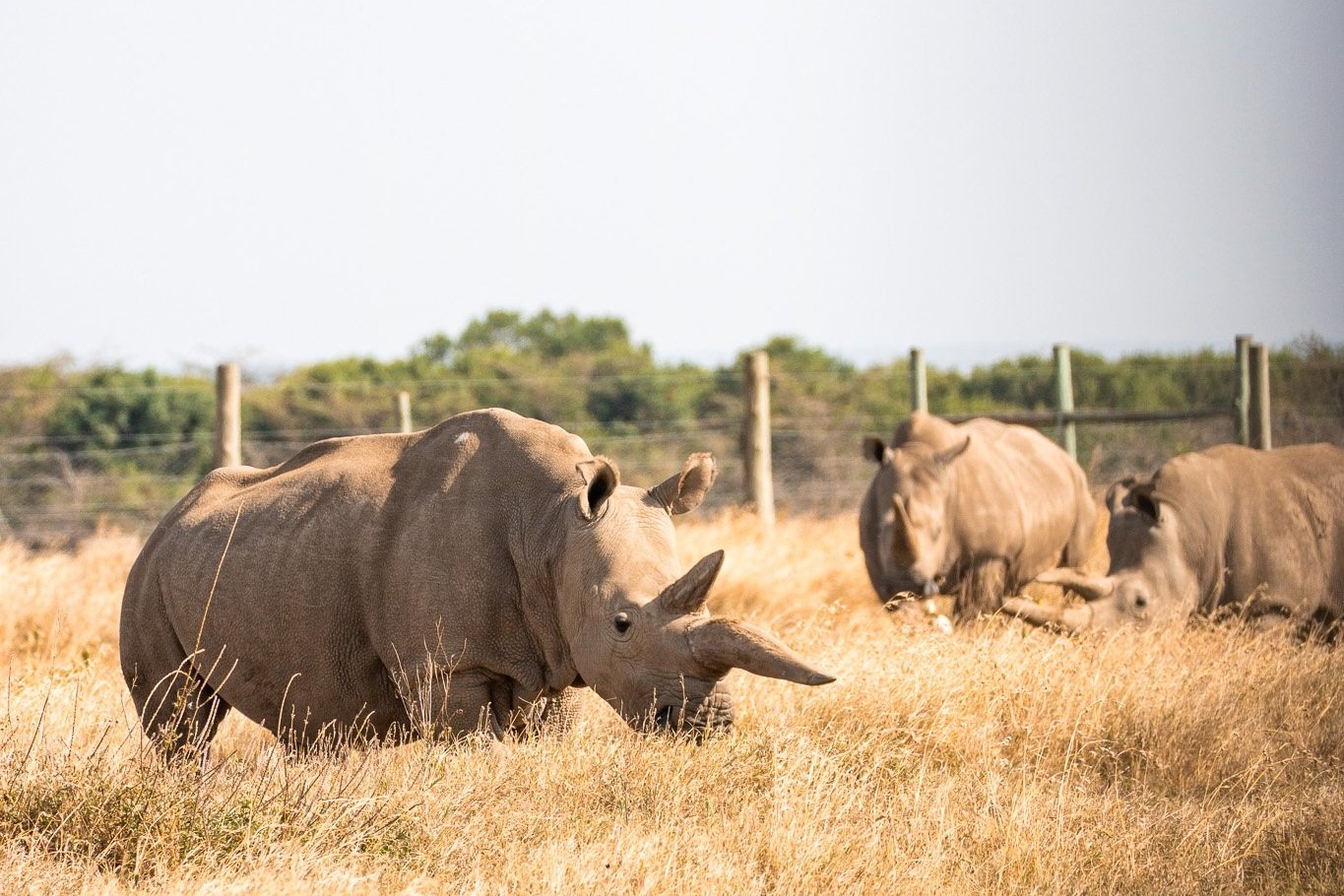
March in Kenya sits at the tail end of the dry season. The landscape is parched, water is becoming scarce, and animals concentrate at remaining water sources. That often means more reliable wildlife sightings, dramatic dusty landscapes, and personal attention from guides who aren't overwhelmed with tourists.
March in Kenya sits at a crossroads - the dry season is winding down, the landscape is dry and parched, the grass is short, the earth is dusty, water is becoming scarce. But this is exactly why March offers something special… excellent game viewing without peak season prices or crowds.
By late March, scattering rains begin as April approaches, adding drama to the sky.
Here are five of our favourite things about being in Kenya, and especially on Ol Pejeta, in March.
1. The Landscape is Dramatic
March, especially the first couple of weeks, are usually dry and dusty — the tail end of a long, dry season. The grass is short, trees are bare,water sources are becoming concentrated. This is pure, raw bush. For wildlife photographers, this actually creates opportunity as animals are more visible against sparse vegetation. The light is clean and harsh and the landscape has a stark, dramatic quality.
If you want photos of wildlife against bare earth and sky, March delivers. For everyone else, the parched landscape is honest - this is what the African bush actually looks like during dry season. It's not lush or forgiving. It's tough and beautiful in its austerity.
2. Wildlife Visibility is Excellent
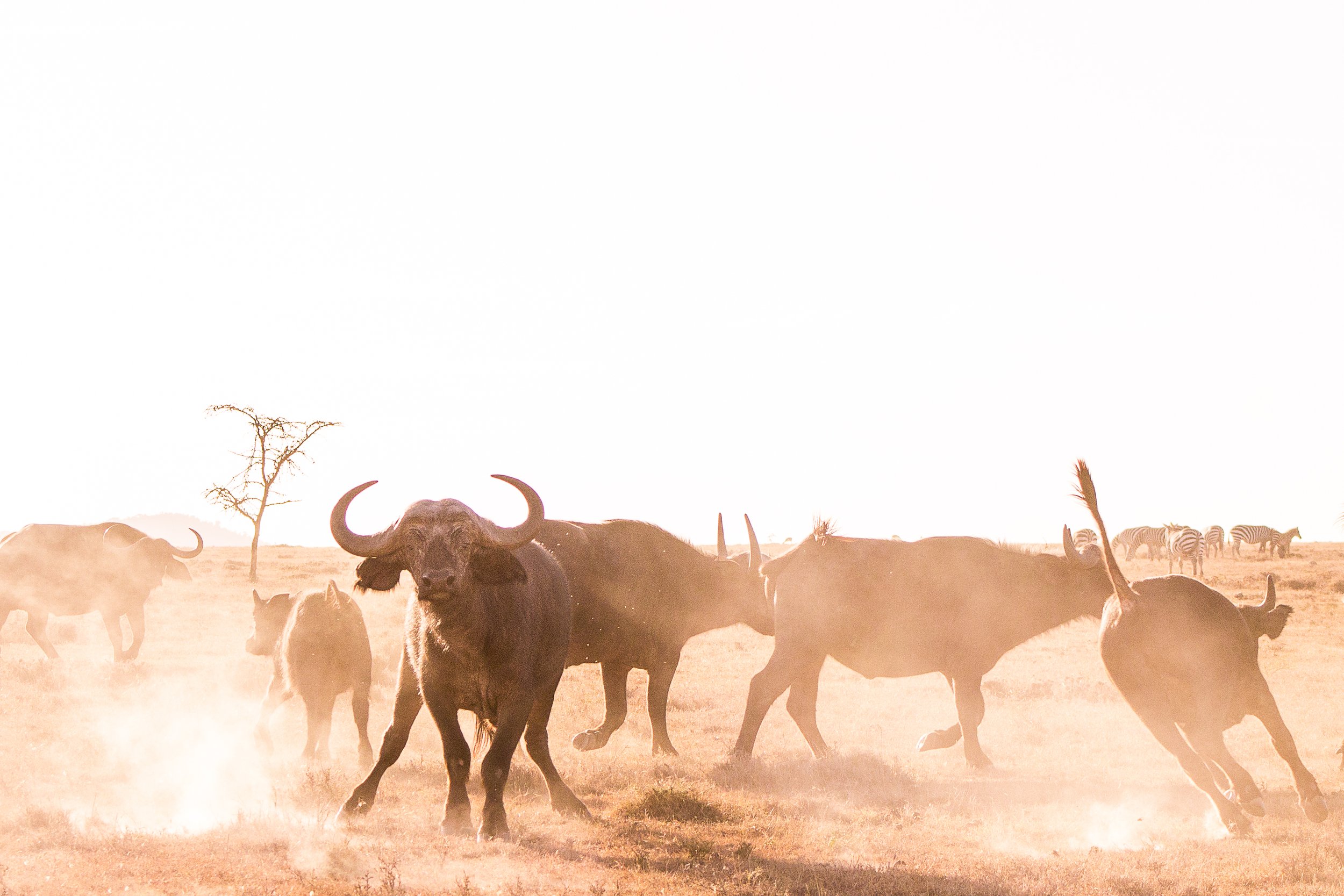
Because water is becoming scarce and concentrated, animals know where to find it. Your guides know these water points intimately and game drives are extremely productive as everything is concentrated around remaining water sources.
Predator activity increases too, because prey is forced to water. The drama of survival is visible. But, by late March, as scattering rains begin to fall, animals respond to the promise of water. You might see herds moving, you might witness the transition from dry season to rainy season in real time. This is peak game viewing conditions — animals visible, concentrated, and active.
3. Babies, Babies, Babies
Migrating animals like Zebra and Wildebeest tend to birth their young in February and March so that, by the time July rolls around, they are strong enough to get up and get moving. Whilst Ol Pejeta doesn’t host migrations, nature’s pattern continues and we see baby zebra’s and gazelles hopping across the plains on a daily basis.
4. Fewer Tourists on the Conservancy
March is an almost entirely forgotten month and, infact, we don’t host too many international visitors at this time of year. Most tourists book peak season (June–August) or through the December holidays. But March falls in a gap that the locals know has got so much to offer.
They know they won’t be fighting for sightings with other vehicles so they can take their time and they often stay longer and take day trips up to Ngare Ndare or the Aberdares which are incredible to see in the dry season and easy to navigate. They also know they will get more personal attention, the kind that peak season simply doesn't offer.
The conservancy in March feels dramatic, full of possibility yet manageable and intimate.
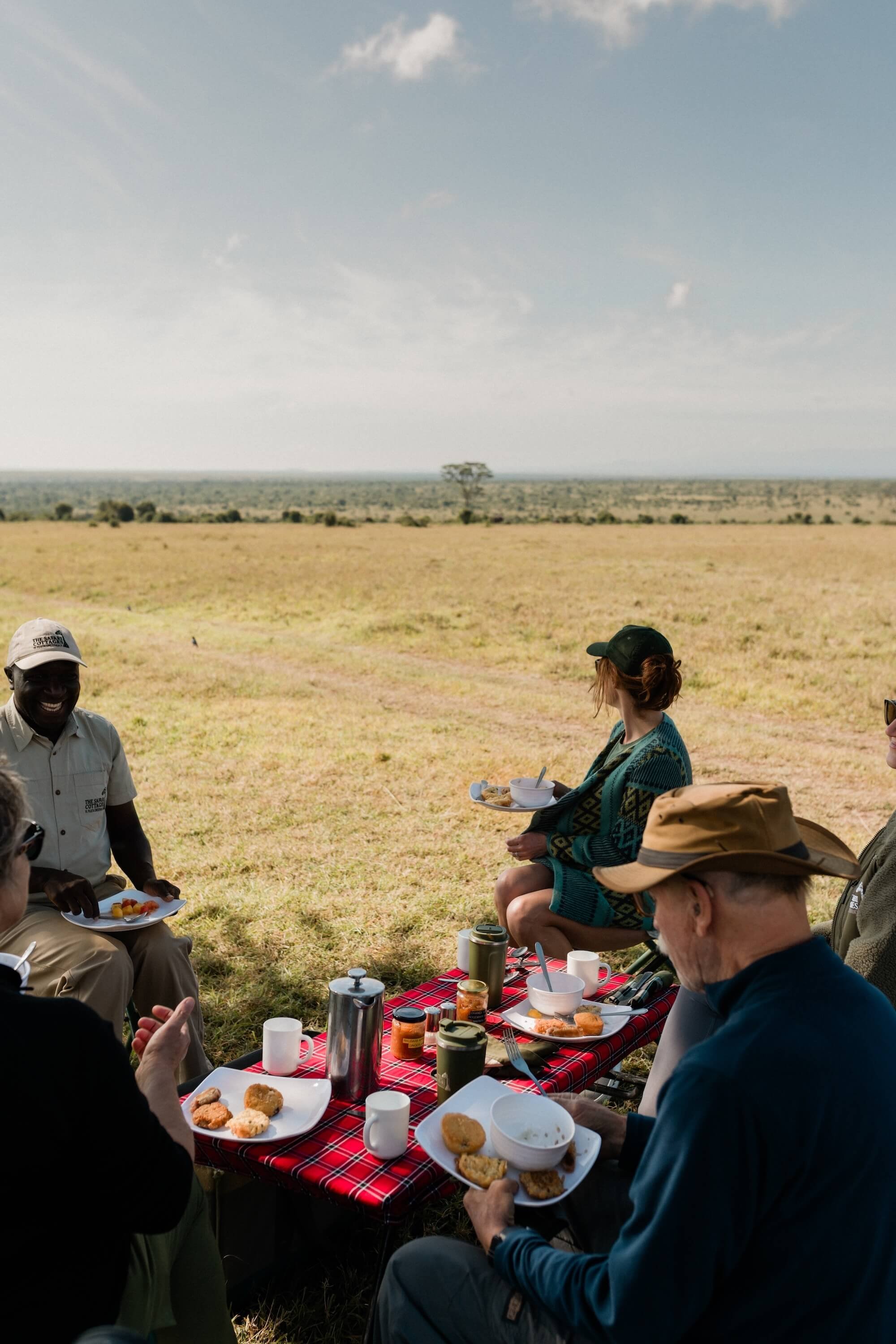
A picnic breakfast in the bush with The Safari Cottages
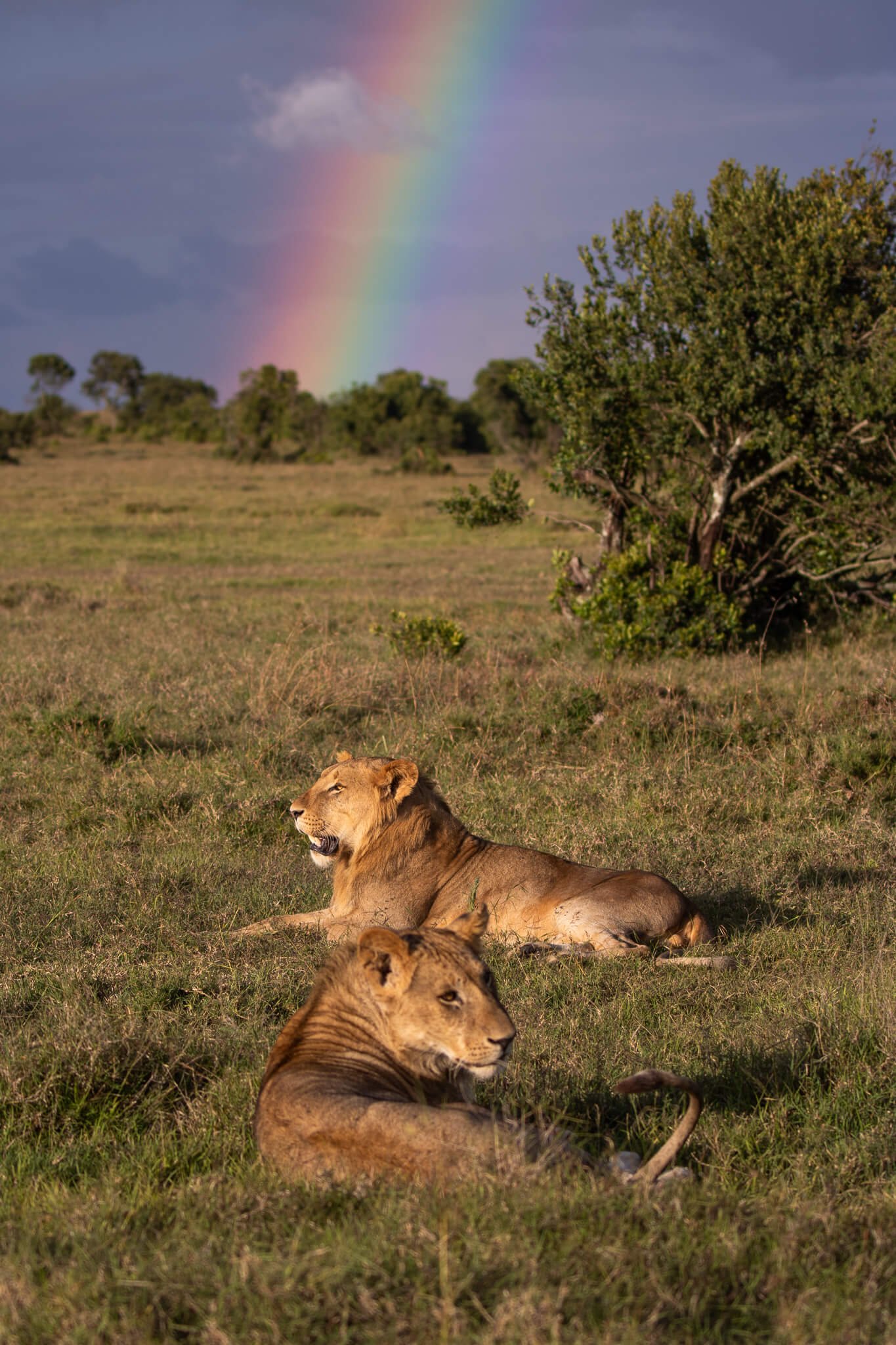
Lions under the rainbow: the upside of a rainy season safari
5. Weather: Dry with Late-Month Drama
The transition between seasons is incredible to witness. Early March is hot and dry with generally clear skies and warm days (25–28°C). Mornings are manageably cool (12–15°C) and humidity is low. But the smell of the rain on Kenya’s thirsty land arrives (often mid to late March) and the response is almost immediate. Kenya bursts to life! Scattered showers and the occasional dramatic thunderstorm arrive. It’s nothing like the sustained rains of April–May though, more like a the first call to the country to look up, open their arms and ready for the green season.
Pack sun protection and layers. By late March, bring a light rain jacket just in case. But don’t get too hung up on a little rainfall - Ol Pejeta has all weather roads and we’re out and about enjoying this incredible wilderness 365 days of the year.
A Typical March Day
You wake before dawn when your house manager delivers freshly brewed tea and coffee for you to enjoy from your private verandah as the suns rises. Game drives start early when it's cool, so you’ll head off soon after. You're driving across parched, dusty landscape and your guide likely navigates to water sources where animals concentrate. You see predators, herbivores, birds — here’s more of what you can expect to see on Ol Pejeta. You’ll stop somewhere to enjoy a picnic breakfast in the bush. You’ll slow down and soak it all in.
Midday you return for lunch at your safari cottage. Afternoon rest is important in the heat. By 4:00 PM, you might do another game drive and, if the rain is around, you may even be blessed with a rainbow. You’ll enjoy a sundowner on the plains, or return home to cosy up by the fire with a drink, then you’ll settle in for dinner and a night listening to the sounds of the wild, snuggled up in your bed.
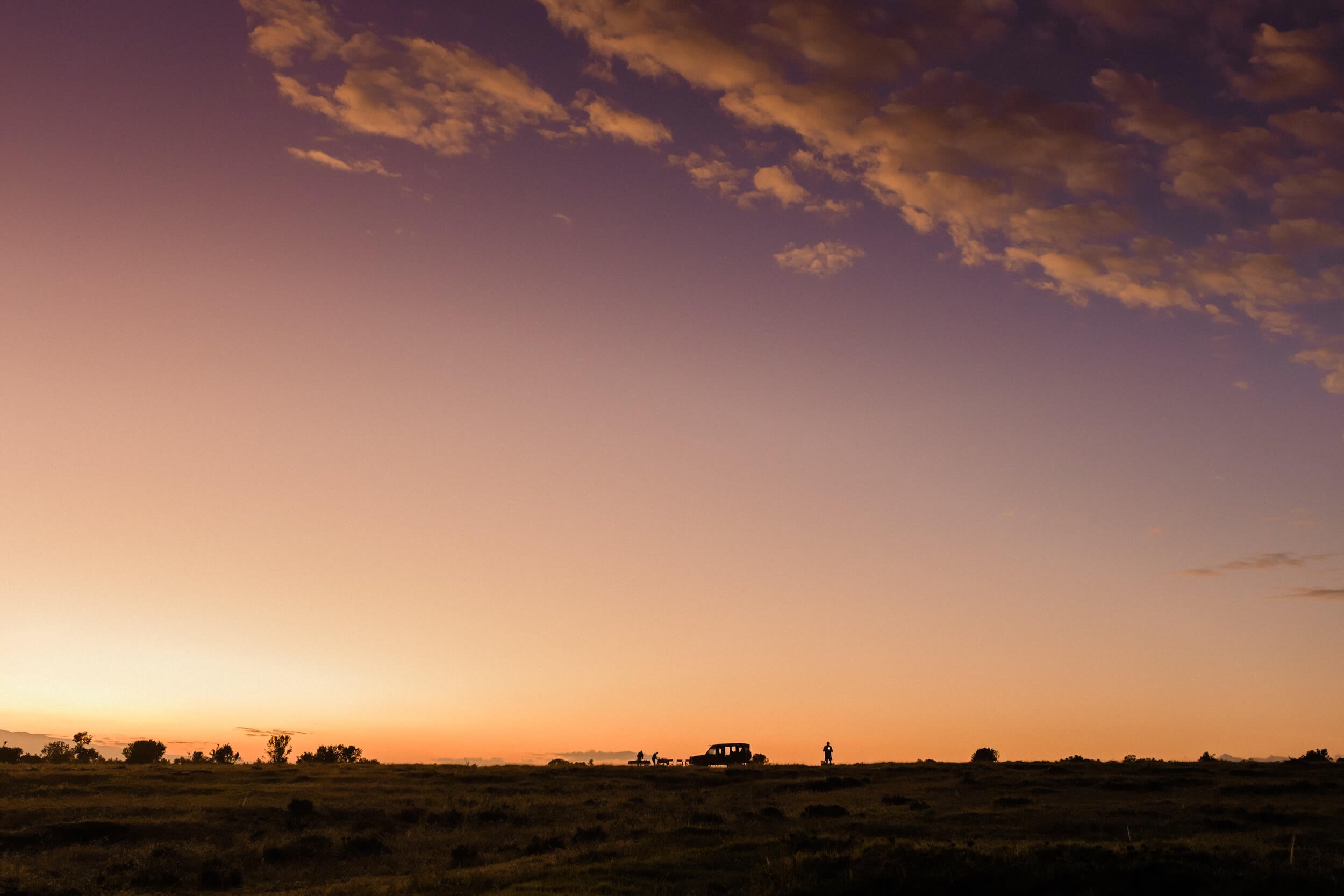
Sundowners: watching the sunset on Ol Pejeta with The Safari Cottages
March Safari Summary
March is for wildlife enthusiasts who want excellent game viewing without crowds or peak-season prices.
The landscape is often parched and dramatic making for unique photographic opportunities.
Water concentration may also mean more reliable sightings especially in drier areas of the country.
Expect a normally dry start to the month with light rainfall arriving anytime from mid-March onwards.

Keep Reading
Recent articles from The Safari Cottages blog…
Travelling to Kenya in June: What to Expect on Your Safari
June sits at Kenya's perfect sweet spot — dry season conditions, extraordinary wildlife, cooler temperatures and quieter conservancy roads, before the peak season crowds arrive. Here's why we love it.
In April and May is the conservancy holding its breath — green, moody and dramatic — then June is the exhale that follows. The long rains have retreated, the skies are clearing, the grass, still lush from the wet season, is beginning to thin just enough for wildlife to become easier to find. And the temperatures, cooled by altitude and the tail end of the rains, are about as perfect as East Africa gets.
Early June isn't peak season either. It’s classed by some as mid-season and others even as low-season. And for some lodges peak season only starts in July and August, when the Masai Mara fills up and prices follow — but it has almost all of the peak season's rewards without the crowds, the premium rates, or the queues of safari vehicles around a lion sighting. For guests who want the best of Kenya without the compromises that come with booking in the busiest months, June is the answer most people haven't thought to look for.
Here's why we love it.
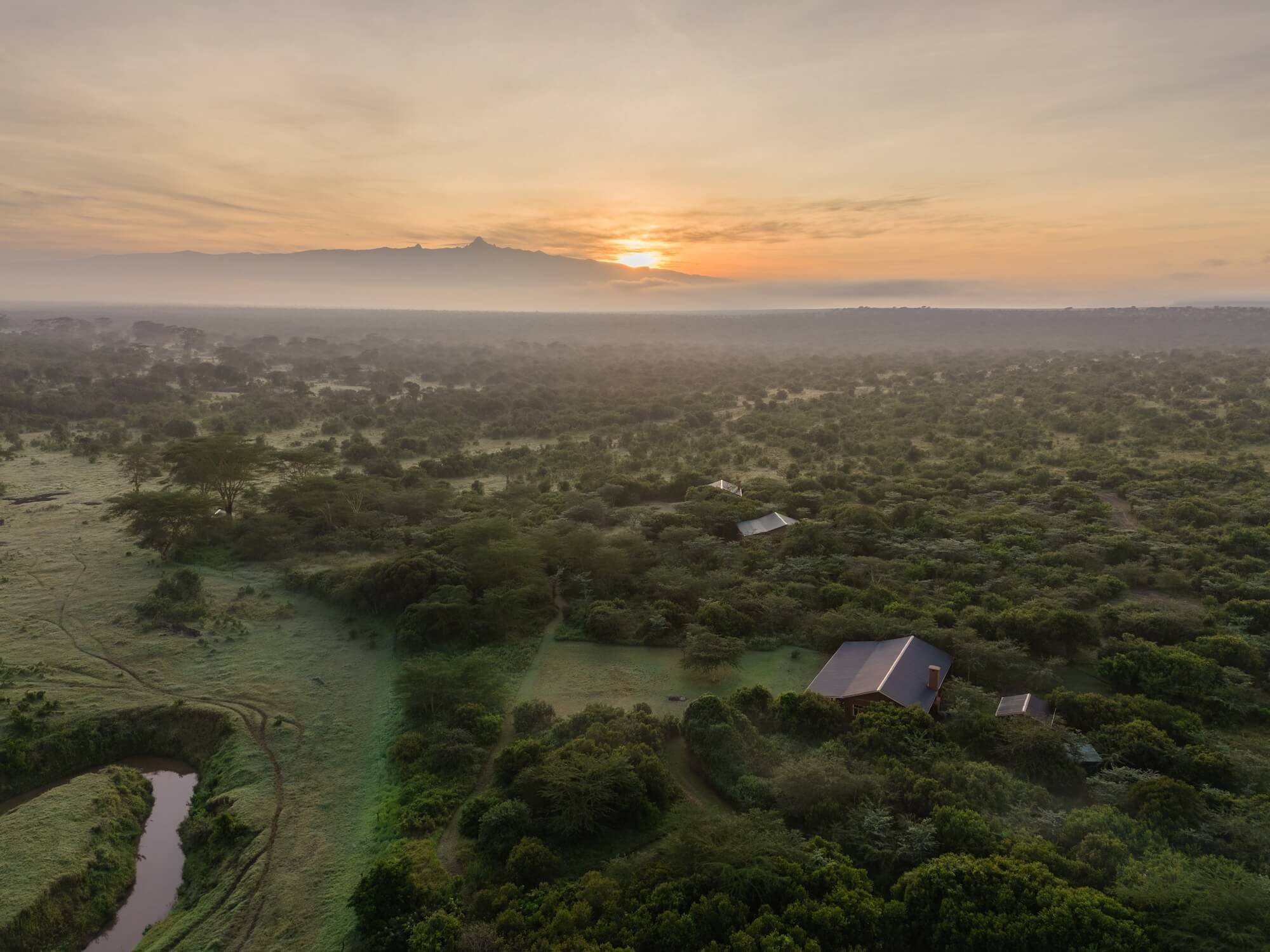
Views over the safari cottages to Mt Kenya
The internet says peak season starts in July. Here's what it misses about June.
There's a tendency in safari planning to treat June as a waiting room — a month to get through on the way to the "proper" dry season. We understand where that comes from but, by June, conditions on Ol Pejeta are already excellent and they have been for a while. The roads are firm. The vegetation is thinning. The predators are active, the rhinos are out on the plains, and the skies produce the kind of enormous cloud formations that make every photograph look like it was taken by someone who knew exactly what they were doing. The conservancy is quieter than it will be in eight weeks' time, and that quiet is its own reward.
1) THE WILDLIFE IS AT ITS MOST ACTIVE
June marks the beginning of Kenya's “dry season,” though it’s worth noting that global weather patterns are shifting so it’s harder to say this with certainty. But, for the most part, it’s dry and it comes with a shift in the rhythms of the bush. As the grass begins to thin and the temporary water sources begin to dry up, wildlife begins to concentrate around permanent rivers and waterholes — which means sightings begin to become more reliable, more prolonged, and more rewarding.
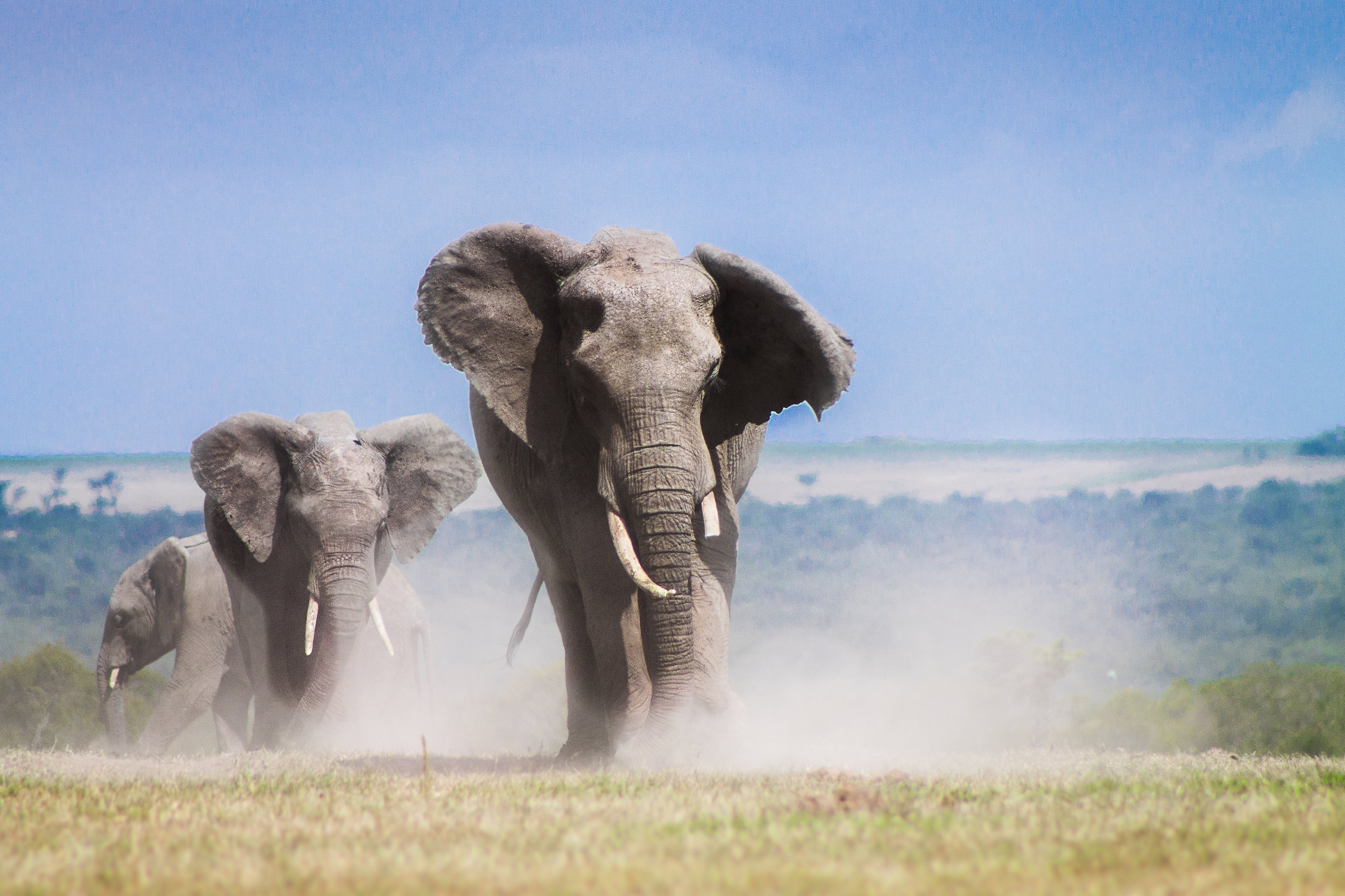
On Ol Pejeta, this translates to some of the most consistent wildlife viewing of the year. Elephants gathering at the river with their families, lion prides are out on the open plains and cheetahs too are easier to spot in shorter grass. The conservancy's extraordinary rhino population — over 165 black rhinos, the largest in East Africa, as well as Najin and Fatu, the last two northern white rhinos on Earth — move freely across the landscape.
2) THE LIGHT IS EXTRAORDINARY
There is a quality to the light in June on the equator that is extra special. The air, still washed clean by the rains, has a clarity to it that the dust of high dry season takes away. The mornings are sharp and golden and the afternoons, when cloud still builds on the horizon, produce dramatic backdrops that frame wildlife in ways that simply don't happen in the heat-hazed months of August and September.
If you're travelling with a camera — or simply want your photographs to look the way safari photographs are supposed to look — June is quietly one of the best months to do it.
Is June a Good Time to See Wildlife in Kenya?
It's one of the best. The transition from green to dry season concentrates wildlife and creates ideal viewing conditions without the competitive pressure of peak July and August. On Ol Pejeta specifically, the resident nature of the wildlife — nothing migrates away — means the full cast is present year-round. What June adds is easier visibility, more predictable movement patterns, and the particular energy of predators moving into their most active season.
The honest answer to the question "is there a better month than June?" is: July and August are excellent, but they're also busy. June gives you the wildlife, the light, and the space to enjoy it. Here’s an overview of wildlife you can expect to see on Ol Pejeta.
3) YOU'LL HAVE THE CONSERVANCY TO YOURSELVES
July - October are, rightly, celebrated as Kenya's finest safari months. But they're also when everyone else is here. But June sits just ahead of that wave. Visitor numbers on Ol Pejeta are meaningfully lower than they'll be in six weeks so, if you value the feeling of having the bush to yourself — of watching a cheetah hunt without five vehicles jostling for position, of sitting with a rhino sighting in complete quiet — June offers that in a way that peak season safaris simply can't.
At The Safari Cottages, this is somewhat academic though; your stay is exclusively yours regardless of the month, and your private guide and vehicle mean you'll never share a game drive with strangers. But even beyond the property boundaries, on the conservancy roads themselves, June feels like a privilege.

Our guests enjoy one on one time with a white rhino on a game drive on Ol Pejeta
4) JUNE IS BRILLIANT FOR FAMILIES WITH YOUNG KIDS
Families with young children who want to travel outside of the school holiday rush love June; it offers nearly peak dry season conditions at rates that haven't yet reached their July and August heights. Children who come in June get the wildlife, the weather and the experience without the premium that follows when the rest of the world catches up.
A note on children and Ol Pejeta: the private, exclusive-use nature of The Safari Cottages makes it incredibly family friendly. Schedules are set by you, not by the camp. If a seven-year-old needs an afternoon nap rather than a game drive, the day is reorganised. If a teenager wants to spend two hours watching a pride of lions, the vehicle stays.
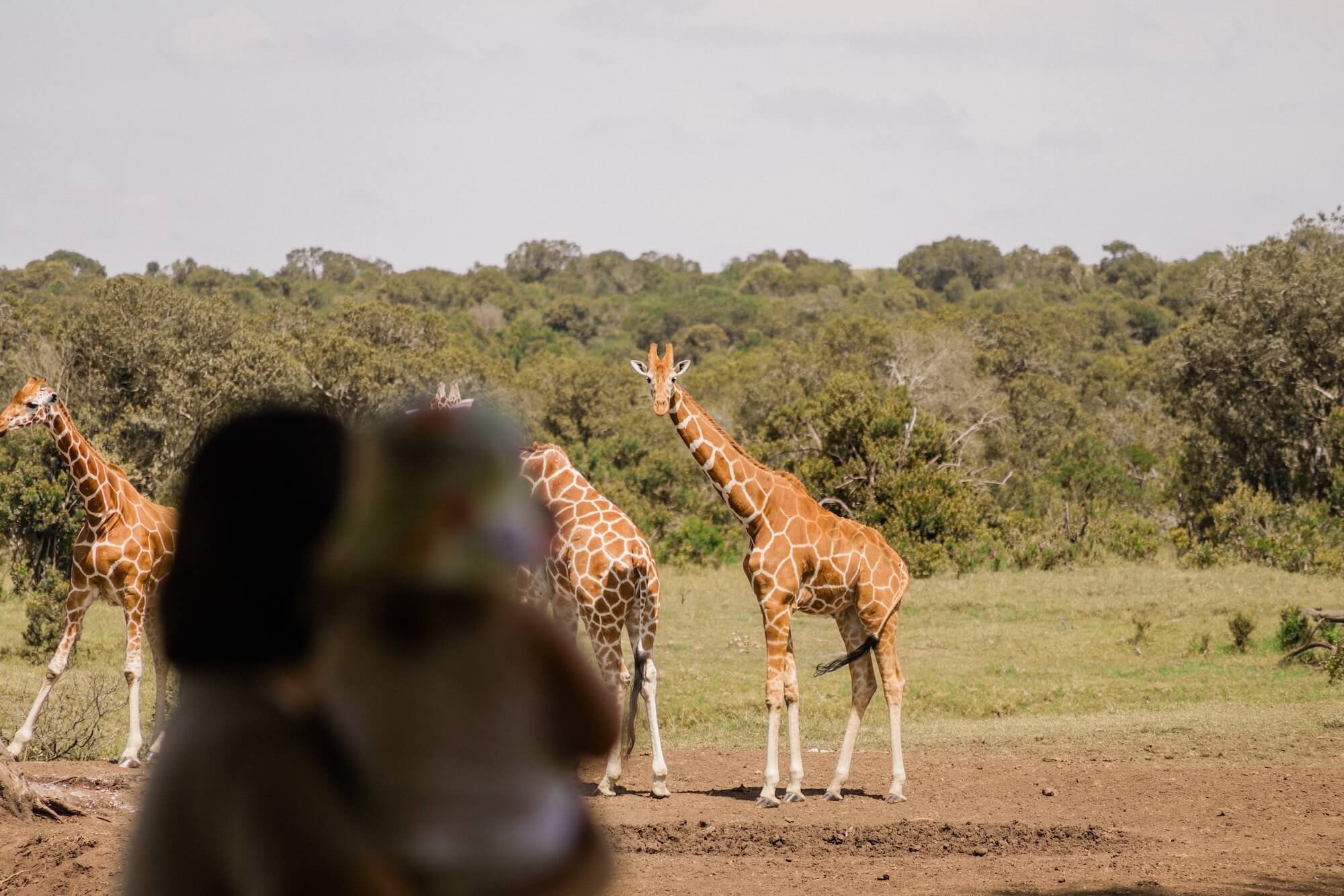
A herd of giraffe visiting our guests at lunchtime at The Safari Cottages
5) THE VALUE
Early June rates at The Safari Cottages are not yet at their peak season level. For guests who want the best Kenya has to offer — the wildlife, the light, the dry season conditions, the privately guided experience — June represents the best value in the calendar.
Planning a Kenya Safari in June? Quick Tips
Pack for cool mornings. A fleece or light down layer is genuinely useful on early game drives. By 9am you won't need it, but you'll be glad of it at 7AM.
Book ahead of July. Because June sits just before peak season, availability at quality properties fills from the July side first — guests who book July and extend backwards into June. Don't assume June availability is open. It often isn't by March or even February.
Consider a beach extension. June is the beginning of the dry season on the Kenyan coast too — Watamu, Lamu and the Diani coast are warm, clear and relatively quiet. A safari-to-coast combination in June works beautifully.
The Safari Cottages are open all year and ready to welcome you in June. Send us an enquiry to start planning your dry season safari.
5 reasons to travel to Kenya in February
Get stuck into a safari on the award winning Ol Pejeta Conservancy, enjoy big cats moments, iconic backdrops and exquisite beaches on a safari holiday to Kenya Safari in February.
February feels much like “a settling” here at The Safari Cottages. As the buzz of the festive season draws to a close we can get our teeth into doing what it is we love most; enjoying the magic of the African bush and sharing that with our guests. February is a wonderful time of year to visit Kenya and very popular with our friends in the Northern hemisphere as it offers sunseekers the chance to escape the winter chill and spend their days dosed in sunshine instead. So, if you’re seeking some respite from the darkness traveling to Kenya in February is a wonderful way to up your Vitamin D intake in the best way!
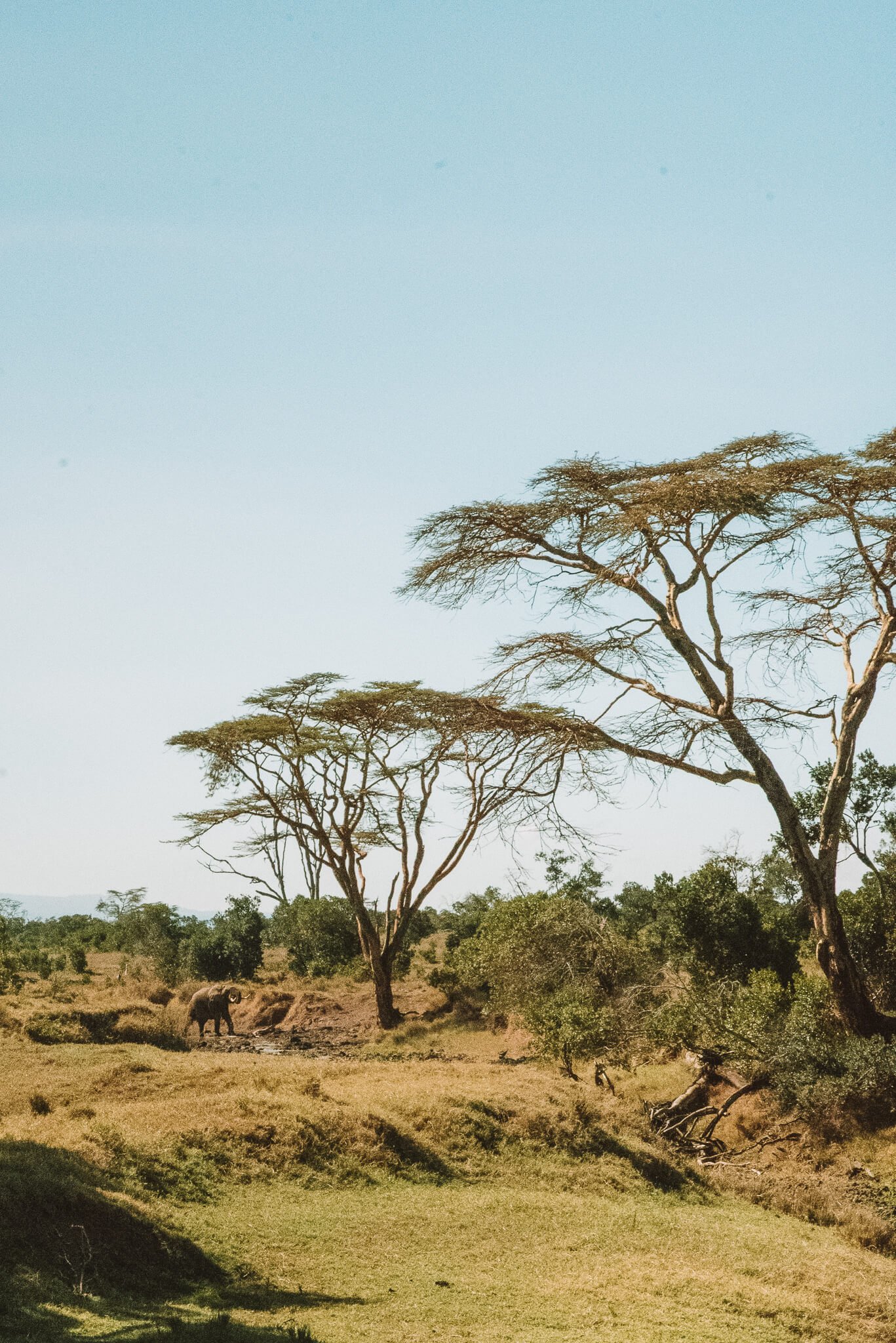
An elephant drinking x Britt Von Steinen
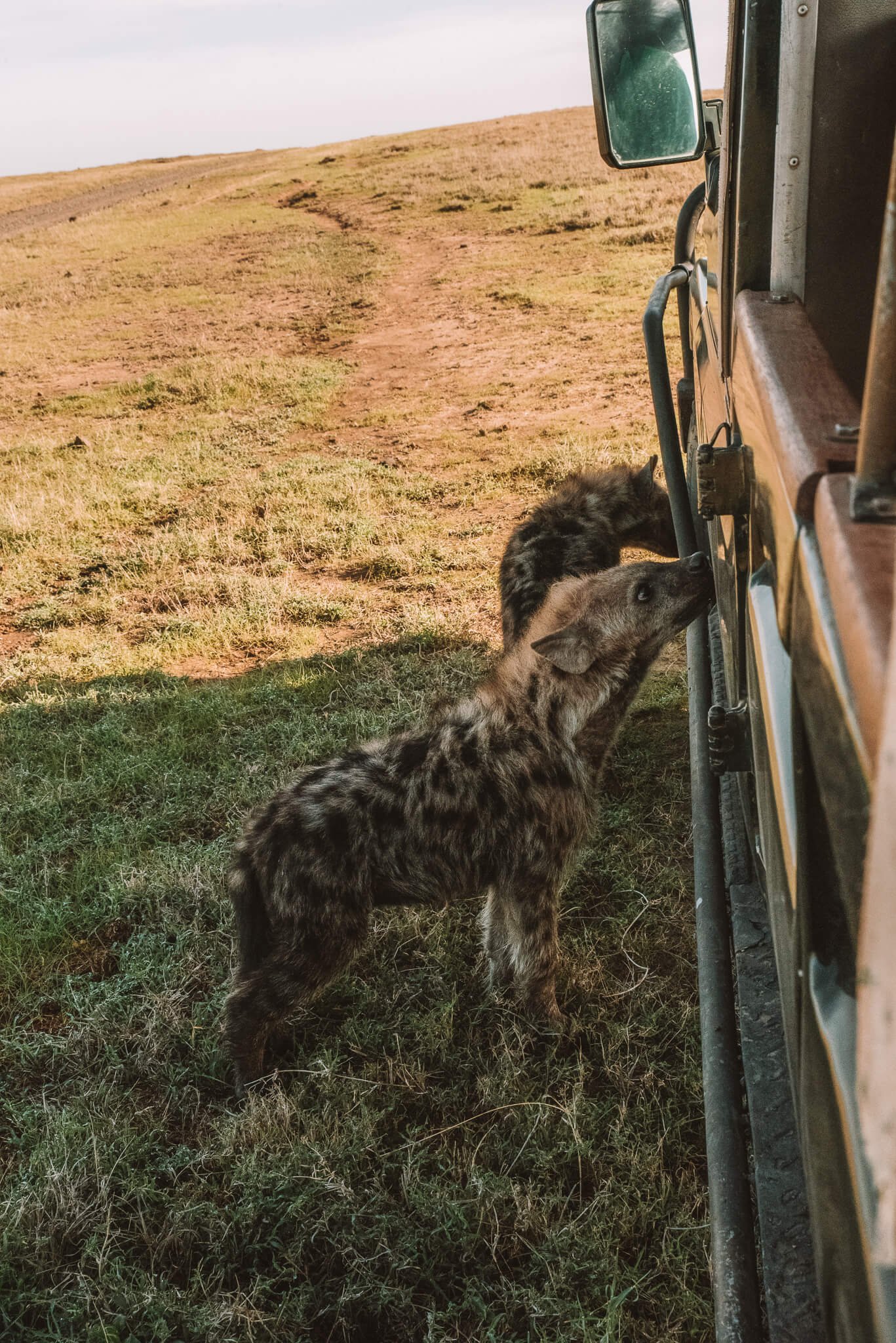
Curious young hyenas x Britt Von Steinen
Here are five things we love about living in and traveling around Kenya in February…
1) Hot and dry weather
You may well associate hot dry weather with dusty feet, crunchy contact lenses and crispy hair but in Ol Pejeta the ground is still fairly settled after the November rains and grasslands are still being grazed down, keeping the dust largely at bay. But if you travel North to Samburu and beyond, or down to the drier reserves and parks like Tsavo and Amboseli, you’ll find dramatic dusty landscapes. As global weather patterns shift you’ll find that some parts of Kenya do experience sporadic rain showers around this time of year but, for the most part, you’re likely to enjoy clear, hot days all around the country so don’t forget to pack your sunhat and a big ol’ tub of sunscreen!
2) Big cats and big action
With limited rainfall and smaller, scattered water sources drying up plains game like zebra, buffalo and gazelles tend to gather at a more limited selection of water sources this time of year. The lions, leopards and cheetah know what’s up because they’ll often be spotted here too, waiting for herds to gather for the evening drink and finding dinner for themselves. If you’re looking for predator action on your Kenya holiday then February is the month for you!
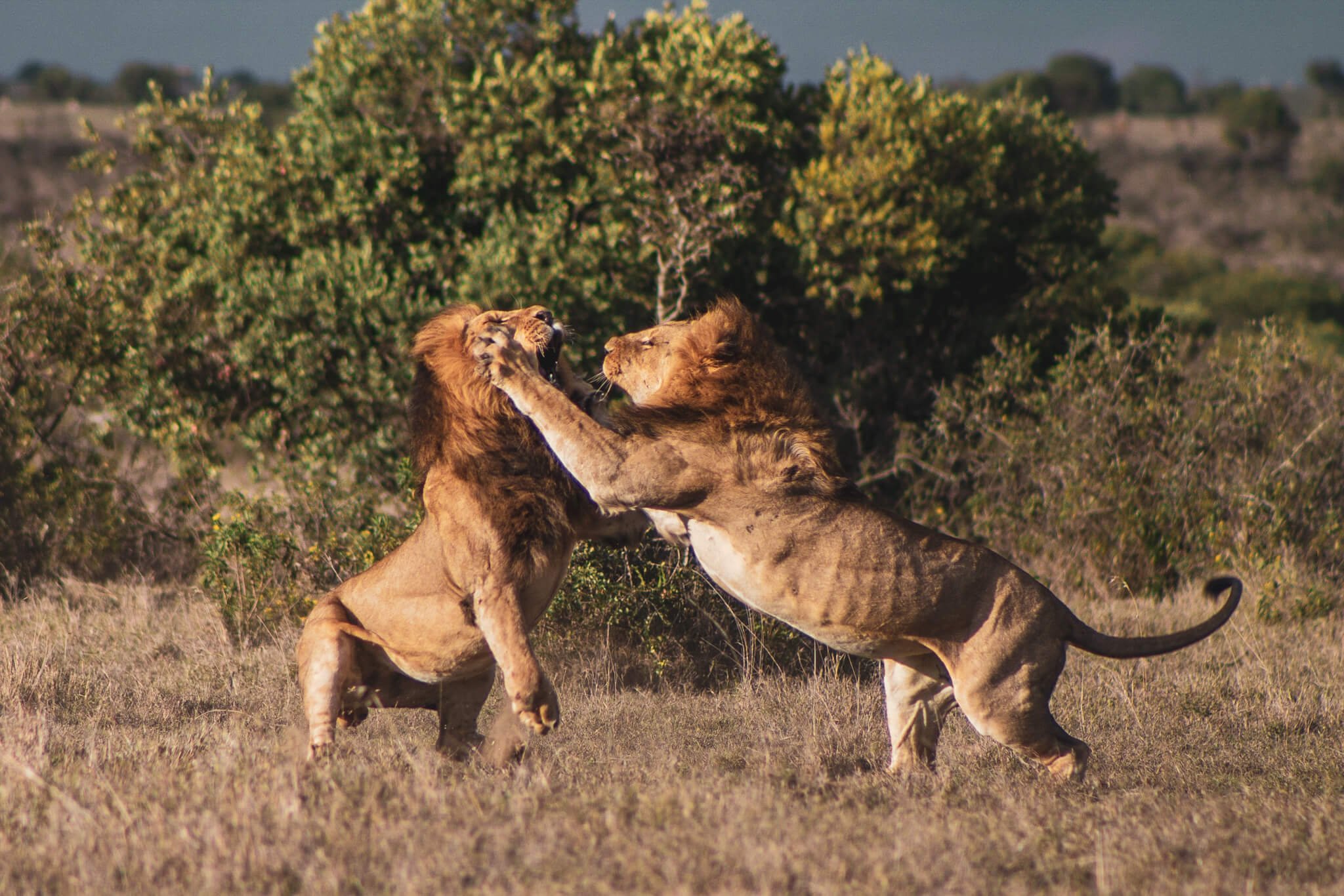
Male lions fighting over a female in Ol Pejeta x Kat Macleod
3) Lazy days at the beach
Temperatures on Kenya’s coast tend to soar at this time of year, often times reaching up to the late thirties (celcius) in the middle of the day. The brilliant sunshine and the spicy climate brings out the lizard in us all; whether you are someone who likes to rest or not, spending a day sipping a cocktail and reading a good book on the beach is a lovely finale to your safari. And who knows, maybe a little bit of forced rest is exactly what you need? Head to the North coast to escape the crowds or Diani if you’re seeking out the Zanzibar-like white sand beaches.
Top tip: If you’re nervous about the heat opt for an air-conditioned hotel room or accommodation right on the beach where you can enjoy the fresh sea breeze.
4) Mountain views
Did you know that, although Mt Kilimanjaro is located in Tanzania, the the best views of this iconic mountain are actually from Amboseli National Park in Kenya. And as far as photographic backdrops go, the impressive peaks of Mt Kenya and Mt Kilimanjaro make for a pretty jaw dropping image! With the lack of rainfall around you’re likely to enjoy fantastic views of both of these iconic mountains during your February Kenya safari.
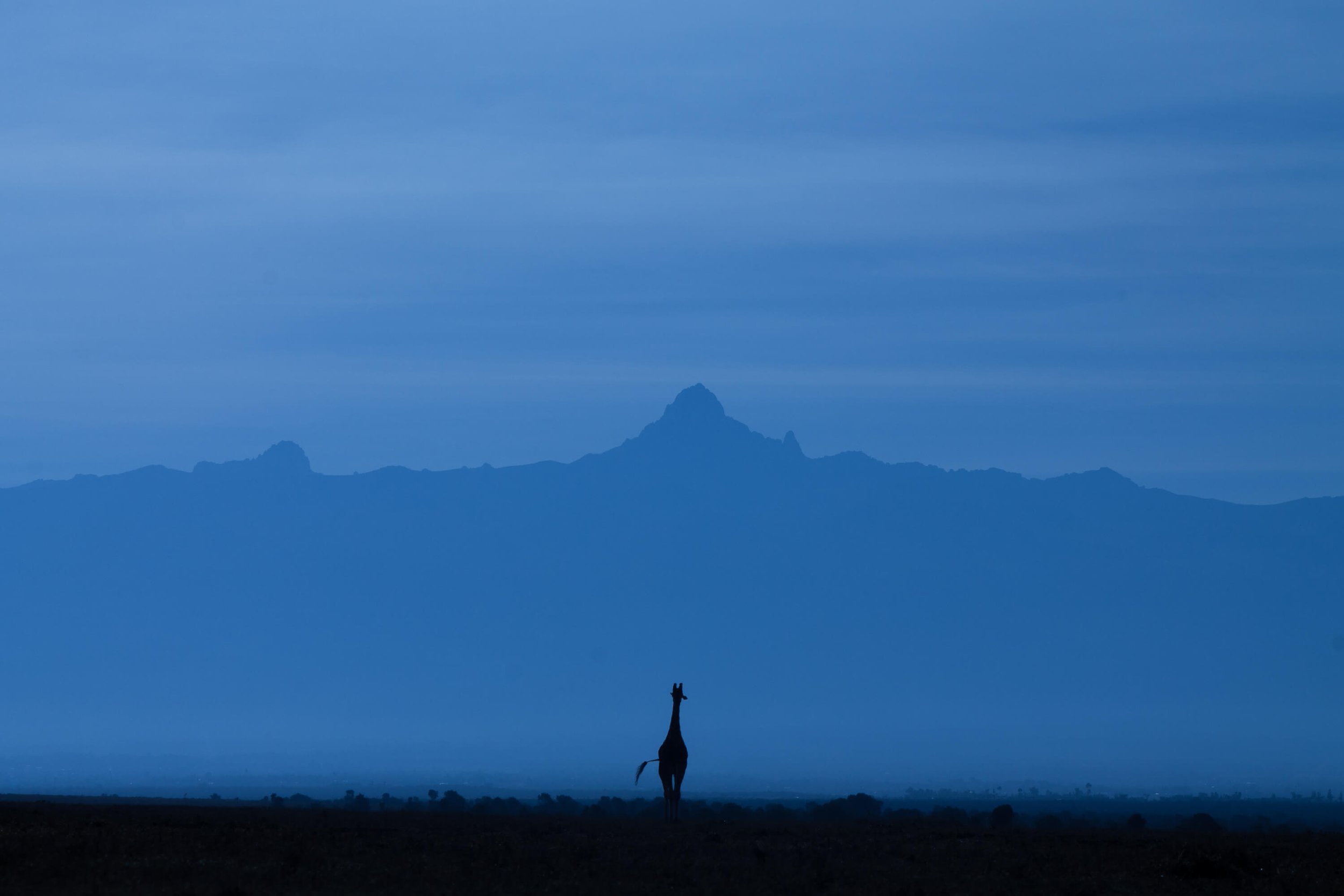
A giraffe on Ol Pejeta, infront of Mt Kenya at dusk
5) Couples and solo travellers get some quiet time
With most kids back at school, February is a popular time of year for couples and solo travellers who are looking for an adults-only safari experience to head out and enjoy a bit of R&R on their Kenya Safari Holiday. Our one-bedroom safari cottages make for a ideal escape if you’re searching for privacy and exclusivity and, as all our safari cottage are exclusive use, even families with very young children have their own dedicated space. So you’ll have a lovely bit of peace and quiet no matter what!
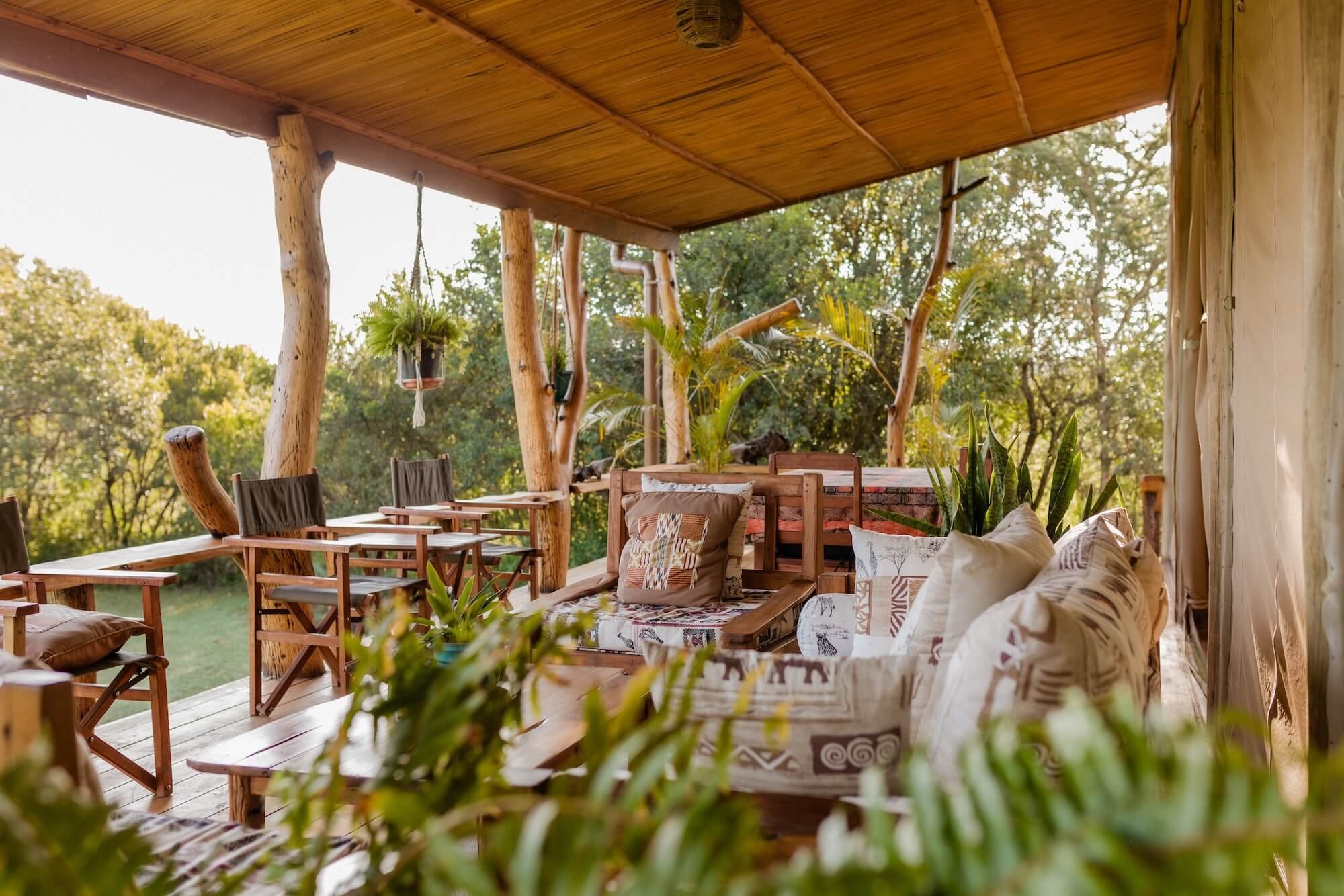
One bedroom safari cottage verandah
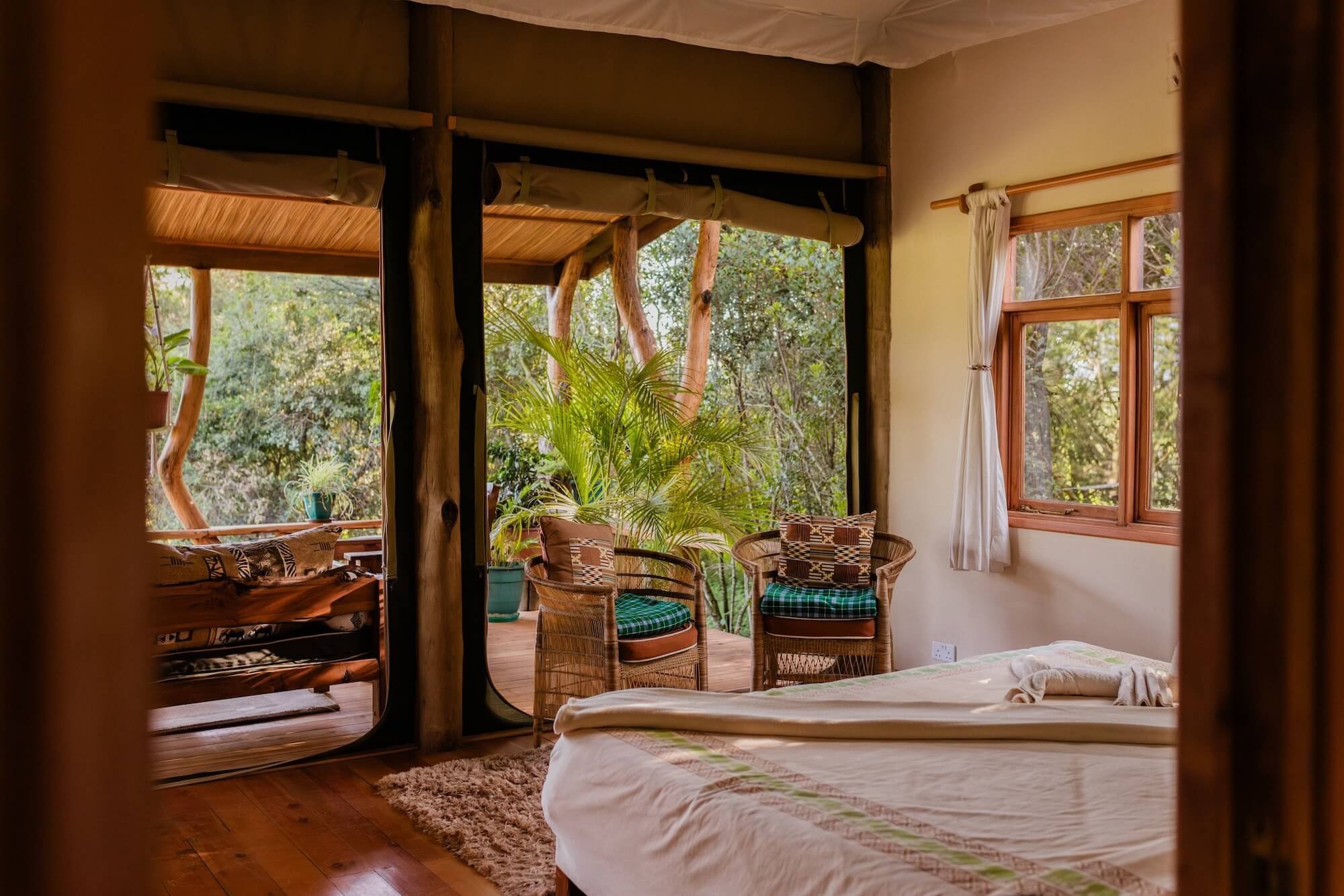
One bedroom safari cottage bedroom
BOOK YOUR FEBRUARY SAFARI TO KENYA
Bring your binos, your camera and book your February stay with us to experience one of Kenya’s most abundant wildlife conservancies; the award-winning Ol Pejeta Conservancy, at The Safari Cottages.
KEEP READING
More from the Ol Pejeta Safari Cottages blog
Travelling to Kenya in April: What to Expect (And Why It Might Be Your Best Safari Yet)
Crisp mornings, unique photographic opportunities, the drama of an African rainstorm; Google may say that an April Kenya safari is a no-go but here’s why you why should ignore Google and do it anyway.
Traveling out of season is easily our favourite time to travel! April is, and always has been, low season in Kenya. Most camps and lodges in remote areas in Kenya shut down over April and much of May due to issues with access; heavy rainfall can make roads in the Masai Mara incredibly sticky and difficult to navigate or, in places like Samburu, rising river levels can flood them altogether. For this reason, tourism comes to a fairy dramatic stop on the first of April.
But on Ol Pejeta Conservancy the April showers usher in lush green landscapes, and the kind of atmospheric, cloud-layered light that photographers dream about. Temperatures remain comfortable, and the overall effect of the green season is one of transformation — the plains turn a deep, vivid green, the rivers run full, and the conservancy takes on a lushness that the dry months simply can't offer.

A crisp April morning on Ol Pejeta

Cosying up by the fire listening to the rain
Google may say that Kenya is a no-go in April but here are five great reasons to ignore Google and do it anyway…
1) THE LOWEST PRICES OF THE YEAR
Green season rates at many safari properties are lower than peak season, and flights into Nairobi — the gateway to Kenya and to Ol Pejeta — tend to be more available and more competitively priced. For families or guests working with a budget, April can represent exceptional value without any real compromise on the experience. This includes the Easter school holidays; camps and lodges won’t hike up their prices for an otherwise expensive time to take the family on holiday elsewhere in the world.
2) GET THE PLACE ALL TO YOURSELF
Traveling out of season means space! It means you’re not fighting through mountains of safari vehicles to enjoy your sightings or needing to make a dinner reservation months in advance in one of Nairobi’s top restaurants. April is one of the quieter months on Ol Pejeta Conservancy. For guests who value the feeling of having the bush to themselves — of sitting with a sighting without another vehicle appearing — this is a significant advantage. The intimacy of the experience increases noticeably.

A rainstorm building on Ol Pejeta in early April © Kathrine Macleod
Is April a Good Time to See Wildlife in Kenya?
This is the question most travellers ask first, and the answer is more positive than many expect.
Wildlife at Ol Pejeta is resident year-round. The elephants, rhinos, lions, leopards, cheetahs and the extraordinary diversity of plains game that call this conservancy home don't migrate away in April — they stay, and they're often easier to find than the headline numbers suggest.
During the green season, predator activity remains strong. Lions and cheetahs are well-fed and relatively visible on the open plains. Elephants move through the conservancy in relaxed family groups, drawn to the abundance of fresh vegetation and water. Rhino sightings — one of Ol Pejeta's greatest strengths at any time of year — are consistent and rewarding.
The one honest caveat is visibility. When vegetation is at its most lush, spotting game in wooded areas can require a little more patience than in the stripped-back dry season. But with a skilled, experienced guide and the intimate knowledge of the conservancy that comes with living here, those sightings come — and when they do, the setting makes them feel genuinely cinematic.
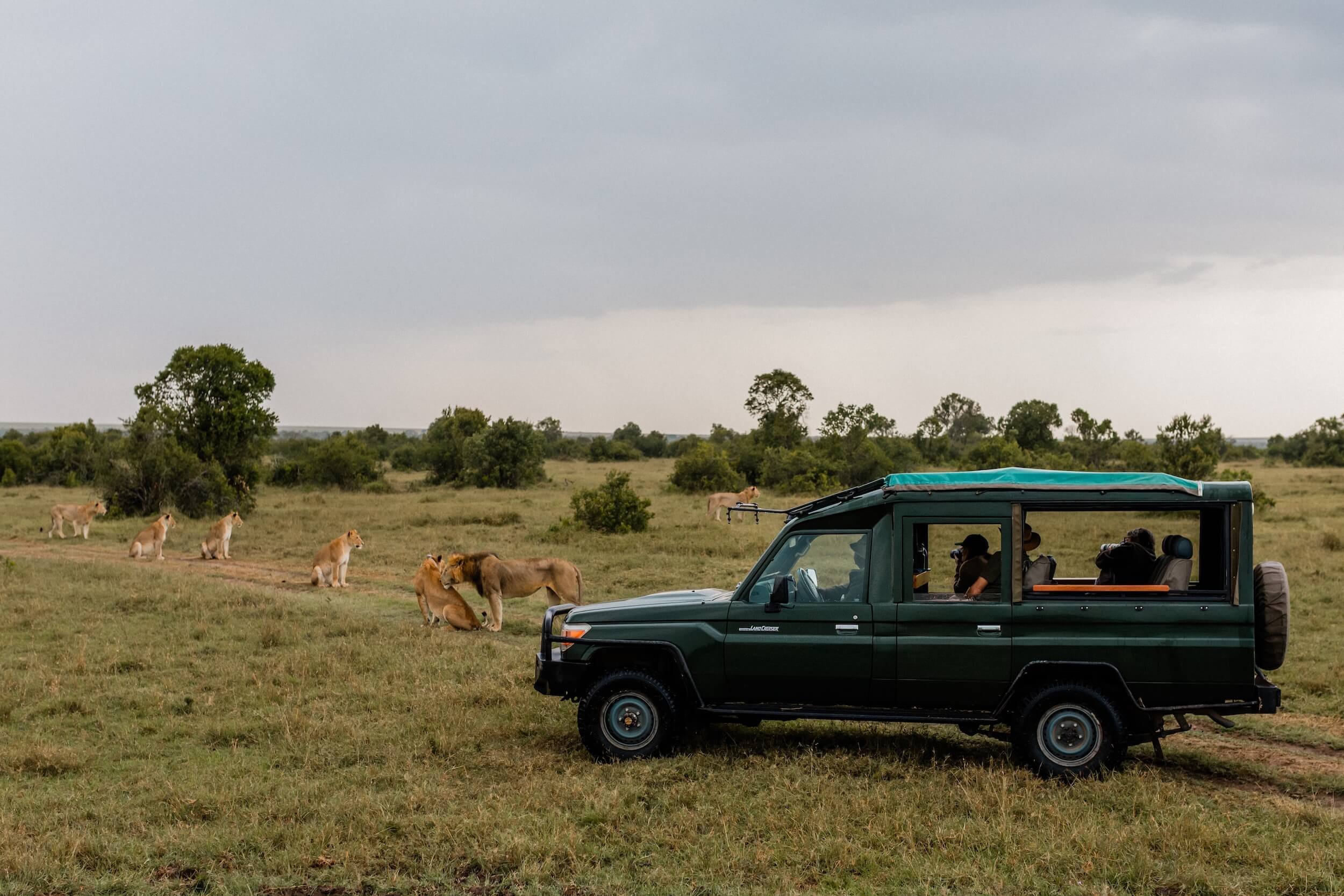
Afternoon cloud cover cools temperatures, and a pride of lions prepares to hunt in the mid-afternoon
3) BEAT THE HEAT
There is something wonderful about the rain in Africa; it’s refreshing and full of life and, after a long, hot, dry season, we welcome the cooler temperatures that the April rains offer with open arms. If you are sensitive to heat, then you too may well enjoy this month of reprieve from the otherwise harsh African sun.
4) WILD RAINSTORMS AND WILD ADVENTURES
The April rains are wild and powerful showers that mostly hit us in the afternoons. We’ll so often hear the distant rumble of thunder whilst we have lunch, the wind picks up a little and the birds are suddenly excitable. We can’t help ourselves; the thrill of an impending African rainstorm never really goes away. We get swept up in it, pour a cup of tea and enjoy the meditative sound of heavy raindrops against the steel rooftops. And if you’re out on the plains when the rains hit then hold on tight; you’ll be slipping and sliding all the way home and you may even have to pop out to help your guide push the vehicle out a muddy patch, turning a pretty standard safari into an African adventure!
*Top top: traveling to Kenya in April? Pack some light waterproof/wellington boots that will keep your toes warm and ward off the mud and pack clothing that you don’t mind getting a little dirty. Most camps will supply you with an umbrella in your room but it’s always helpful to pack a light waterproof jacket too.
5) UNIQUE WILDLIFE PHOTOGRAPHY
We’ve all seen a photograph of a lion but wildlife photography in the rainy season is really something else! Overcast skies diffuse the harsh African sun into something photographers call "natural softbox" light. Dramatic cloud formations build over the plains in the afternoons. The green backdrop makes wildlife portraits vivid and striking. And let’s talk about the effects of the rain itself; a herd of giraffe ambling across a stormy landscape, cheetahs jumping over puddles and navigating high rivers, rhinos rolling about in decedent mud baths and a slow shutter capturing the rainfall or a bird shaking off its wet feathers. Kenya in April offers you the chance to get the shot that no one else gets!
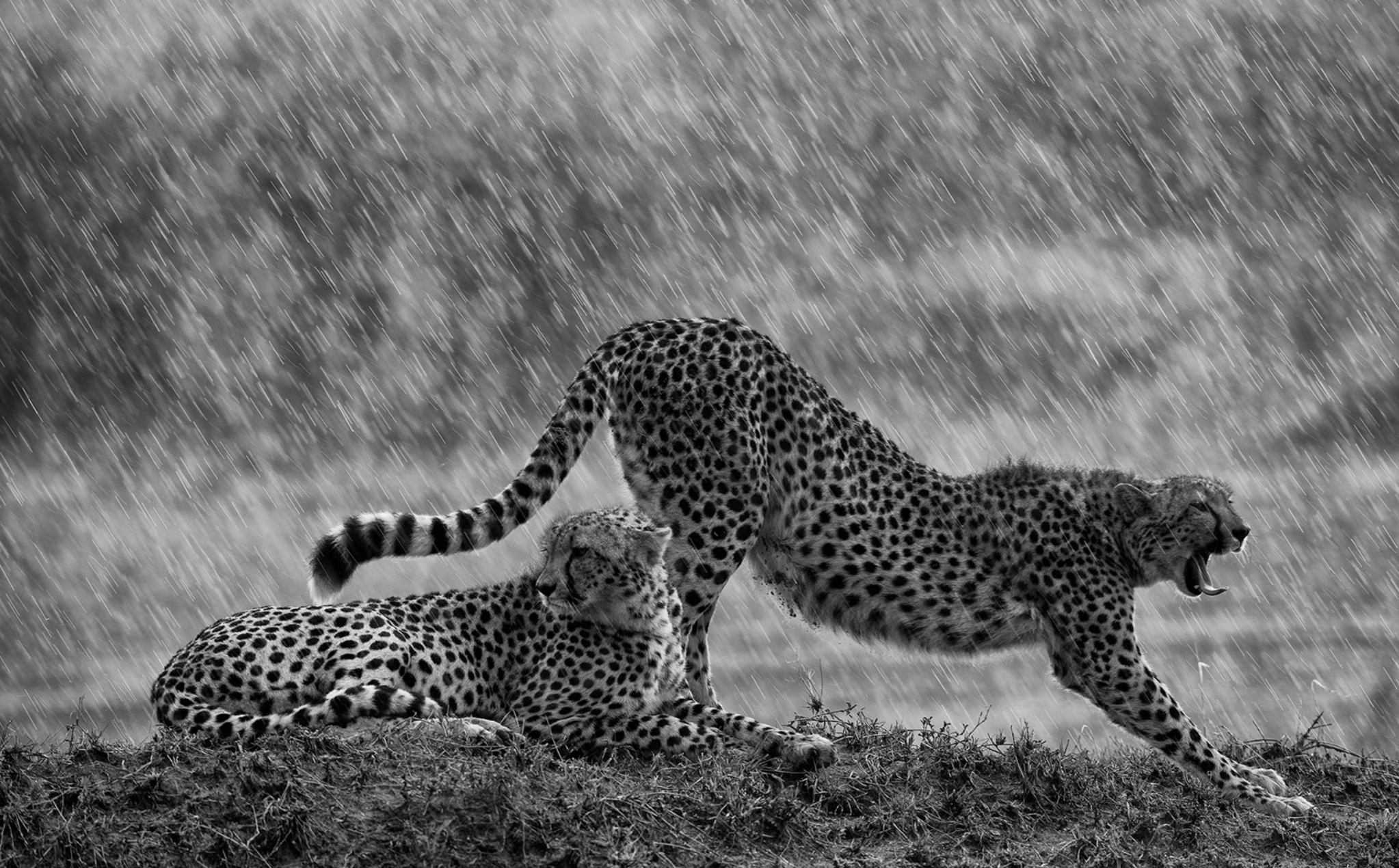
Cheetahs in the Masai Mara © Shivang Mehta
6) HELP CONSERVATION
Okay okay we said five, but we’re sneaking in another reason to book your April safari because it’s a really important one. A lot of conservancies, like Ol Pejeta, rely heavily on tourism to keep them going and they often struggle to push through quieter months like April and May. Choosing to travel in April means you’re giving these organisations vital aid in tough times; your conservancy fee is more valuable than ever, literally paying ranger salaries and keeping electric fences that protect endangered and critically endangered wildlife operational.
Click here to learn more about how your visit to Ol Pejeta is supporting wildlife conservation.
The Safari Cottages: Open All Year Round
The Safari Cottages are open twelve months of the year, and April is no exception. We've welcomed guests through every season the Laikipia region offers — the heat of January, the long rains of April, the drama of the peak dry months — and each has its own distinct character and rewards.
What stays constant is the experience we offer: a private guide, a dedicated vehicle, a personal chef, and a completely flexible schedule built around you. If an April morning produces spectacular light and your guide spots lion cubs near the northern sector, you stay as long as you like. If an afternoon shower rolls in earlier than expected, you're back at the cottage with a fire lit and tea ready before the heaviest rain arrives.
April at Ol Pejeta is not a compromise. It's a different kind of safari — greener, quieter, more atmospheric, and for guests who know to look for it, every bit as rewarding as the months that fill up first.
BOOK YOUR APRIL SAFARI TO KENYA
Take advantage of our absolute lowest rates, get the place to yourself and come visit us this April.
Planning a Kenya Safari in April: Quick Tips
Before you go, a few practical notes worth keeping in mind:
Pack layers. April mornings can be cool at altitude, and the rain brings a freshness to the evenings that makes a light fleece genuinely useful. Waterproof layers are worth bringing, though you're unlikely to need them for full days at a time.
Embrace the afternoons. If showers do arrive, they typically do so in the mid to late afternoon — which, as it happens, is the perfect time for a long lunch, a rest, or a quiet hour reading on the verandah. The bush has its own rhythm in April, and it suits a slower pace beautifully.
Don't be put off by online forums. Travel forums are full of well-meaning advice steering visitors away from Kenya in April. Much of it is based on outdated information, experience of different parts of the country, or a genuine lack of familiarity with what the long rains actually look and feel like on the ground. Talk to people who live here.
Book with confidence. April availability at quality properties is generally better than peak season, but it does fill — particularly around Easter, which falls in April most years and brings a noticeable uptick in family bookings. If April is your window, book sooner rather than later.
Kenya in April is one of East Africa's best-kept secrets. The guests who discover it tend to come back for it.
The Safari Cottages are open all year round and ready to welcome you in April — start planning your green season safari.
KEEP READING
More from the Ol Pejeta Safari Cottages blog
5 reasons to travel to Kenya in January
Welcome the new year on a Kenya Safari in January to get your year off to an incredible start! Incredible wildlife, sweeping wild spaces and moments that will stick with you forever from your home-away-from-home at The Safari Cottages. Here are five things we love about Kenya in January.
The magic of a fresh, new year is as palpable in Kenya’s town, villages, open plains and beaches as it is anywhere else in the world. There are few things we love more than waking up to watch the sun rise over Ol Pejeta Conservancy’s expansive wilderness as it lights up Mt Kenya on the first day of the year. The magic doesn’t end on day one though; nothing here pauses, life simply goes on, but something about us has changed; we’re seeing it all unfold through fresh new eyes.

Watching a rhino out on the plains x Britt Von Steinen

An evening campfire x Britt Von Steinen
The November rains usually settle by the middle of December and in January, on Ol Pejeta, we see large herds of plains game enjoying the bounty of the rainy season, covering the plains in large herds with lots of excited little ones.
As well as jubilant baby zebras, here are five more things we love about Kenya in January…
1) Excellent game viewing
By January we are well and truly into the dry season where, aside from the occasional afternoon shower, the weather is often sunny and wonderfully warm. A stark contrast to the lush green landscapes of the November rains. With grasslands largely munched down game viewing is a little easier as the cats can’t hide in the long grass; this makes stalking their prey a little more challenging but spotting them a little easier.
2) Walking weather
If you love walking and hiking, then January is the time for you. With more predictably drier weather you can enjoy some of the country’s most beautiful hikes like Mt Kenya and Mt Longonot. And on the country’s wide open plains this is a great time for bush walks because visibility in the bush is excellent and you’ll not likely get your boots muddied. Ol Pejeta Safari Cottages is a great place to acclimate before your Mt Kenya hike and to unwind afterward and we are often a resting place for hikers at this time of year.
3) Hit the beach!
January is easily one of the best times of the year to be on the Kenyan coast. After your safari head to Diani, Watamu, Malindi or Lamu to unwind and enjoy tropical, warm weather whilst you sip a margarita by the pool and clear waters with excellent visibility for diving and snorkeling.

Lions on a buffalo kill x Britt Von Steinen
4) Warm, starry nights.
The warmer daytime weather that is so often associated with a January Kenya safari often extends into the evenings too. Whilst we’re at 1,800m (6,000ft) above sea level and you’ll still need your fleece and socks, the real chill of the rainy months has well and truly settled down. And with clear skies we’re enjoying excellent star gazing in the evenings too.
5) Mid/late January: the sweet spot
The start of January is considered high season around most of the country and, as such, prices are elevated and you’re encouraged to book your January Kenya holiday far in advance to ensure you can get the space that you want. But, around the middle of the month, things quieten down a little bit and the 6 weeks that follow herald in a bit of a sweet spot where the wildlife is truly excellent, weather is reasonably reliable and prices are lower.
BOOK YOUR JANUARY SAFARI TO KENYA
Welcome the New Year on a Kenya Safari in January to get your year off to an unforgettable start filled with incredible wildlife, sweeping wild spaces and moments that will stick with you forever from your home-away-from-home at The Safari Cottages.
KEEP READING
More from the Ol Pejeta Safari Cottages blog
Kenya Safari in December: Why It's Peak Season for a Different Reason
If you’re wondering if it’s a good idea to escape the Christmas chaos and spend December on safari in Kenya this year the answer is absolutely yes! Here’s why you need to stop what you’re doing and book that trip immediately.
December is one of the best times to visit Kenya! While the Northern Hemisphere is drowning in Christmas chaos, Kenya in December offers something completely different: manageable pricing, clear skies, excellent wildlife viewing, and the unforgettable experience of Christmas in the African bush.
Here's why December might just be your best safari decision.

Lions hunting on Ol Pejeta
1. Escape The Festive Season Chaos.
If the thought of Christmas shopping, crowded airports, office parties, and family chaos makes you want to disappear, December in Kenya offers the antidote.
While people in the Northern Hemisphere are wrapped up in holiday stress, you're waking up in the Kenyan bush, listening to lions. No shopping mall crowds. No office parties. No family politics. Just peace and glorious, wild quiet.
The irony is that spending December on safari means you actually get to enjoy the festive season instead of being overwhelmed by it. You have time to think, rest, and be present — which is what the holidays are supposed to be about anyway.
Our guests spend Christmas Day, sitting under the stars in the bush, where the concept of "festive chaos" feels like it belongs to another world.
2. Early December Shoulder Season Pricing (Before the Rush)
December has two distinct personalities.
Early December (1st–20th): Shoulder season pricing and fewer tourists. You get the tail end of the November short rains, which means lush, green landscapes, combined with increasingly clear skies.
Late December (20th–31st): Peak season kicks in as school holidays begin and Kenyan families start celebrating. Prices rise, crowds increase, and the conservancy becomes busier.
If you can book early December (especially the first two weeks), you'll enjoy:
Mid-season pricing (typically 20–30% cheaper than peak June–August)
Dramatically fewer tourists on the conservancy
Clear skies becoming more predictable
Green, beautiful landscapes
Excellent wildlife viewing (animals concentrate around water as rains decrease)
This makes early December one of the year's genuinely best value periods — better weather than shoulder season, better prices than peak season, fewer crowds than any peak month.
Pro tip: If you can visit December 1st–15th, you've found the real sweet spot.
3. Wildlife Visibility Shifts from Wet to Dry
As the November short rains taper off in December, wildlife patterns shift. This transition creates exceptional game viewing opportunities.
Standing water from the rains is gradually disappearing, which concentrates animals at remaining water sources. Good guides know these locations intimately. Lions, leopards, and plains game become increasingly predictable to find.
At the same time, the landscape is still lush and green — giving wilderness areas, and certainly Ol Pejeta, a completely different aesthetic than peak dry season. Animals have excellent cover and forage, so they're healthy and visible.
This combination — abundant water in specific places + lush landscape + clear skies — creates ideal conditions for safari. You get the visibility advantage of dry season with the visual beauty of green season.
Weather is generally stable. While the Novembers short rains technically extend into early December, serious rainfall becomes increasingly unlikely as the month progresses. From December 15th onwards, you can expect mostly clear skies and warm, pleasant days.


4. Spend Christmas on Safari (No Cooking, No Cleaning, No Stress)
Imagine a Christmas where you don't cook, clean, or manage family logistics. Just wake up, listen to the bush, and let the day unfold.
At Ol Pejeta Safari Cottages, Christmas takes on a completely different character.
Morning: You wake to the sounds of the conservancy. Coffee and tea arrive at your cottage. If you want an early game drive, you're watching lions in the golden hour. If you want to rest, nobody's rushing you.
Daytime: Game drives, bush walks, or complete relaxation — your choice. You're in the Kenyan bush while Christmas shopping is happening elsewhere.
Evening: Sonja (our chef) creates an exceptional Christmas spread. Real food, proper celebration, no stress. Your "boxing day walk" is surrounded by elephants, giraffes, and zebras instead of urban streets.
The reality: Christmas on safari is intimate, meaningful, and genuine. You're not performing holiday traditions — you're creating new ones. Many guests report that spending Christmas this way fundamentally changes how they experience the season.
You have time with the people you came with. You have peace. You have extraordinary wildlife. That's actually what the holidays should be.
5. December Is Peak Season for Birdwatchers
If you're a birder, December is your time to shine. The Palearctic winter has begun. Thousands of migratory species from Eurasia and North Africa are arriving in Kenya, supplementing the resident bird populations.
Ol Pejeta's 400+ bird species are joined by migrant species including:
European bee-eaters
Abdim's storks
Steppe eagles
Various warblers and flycatchers
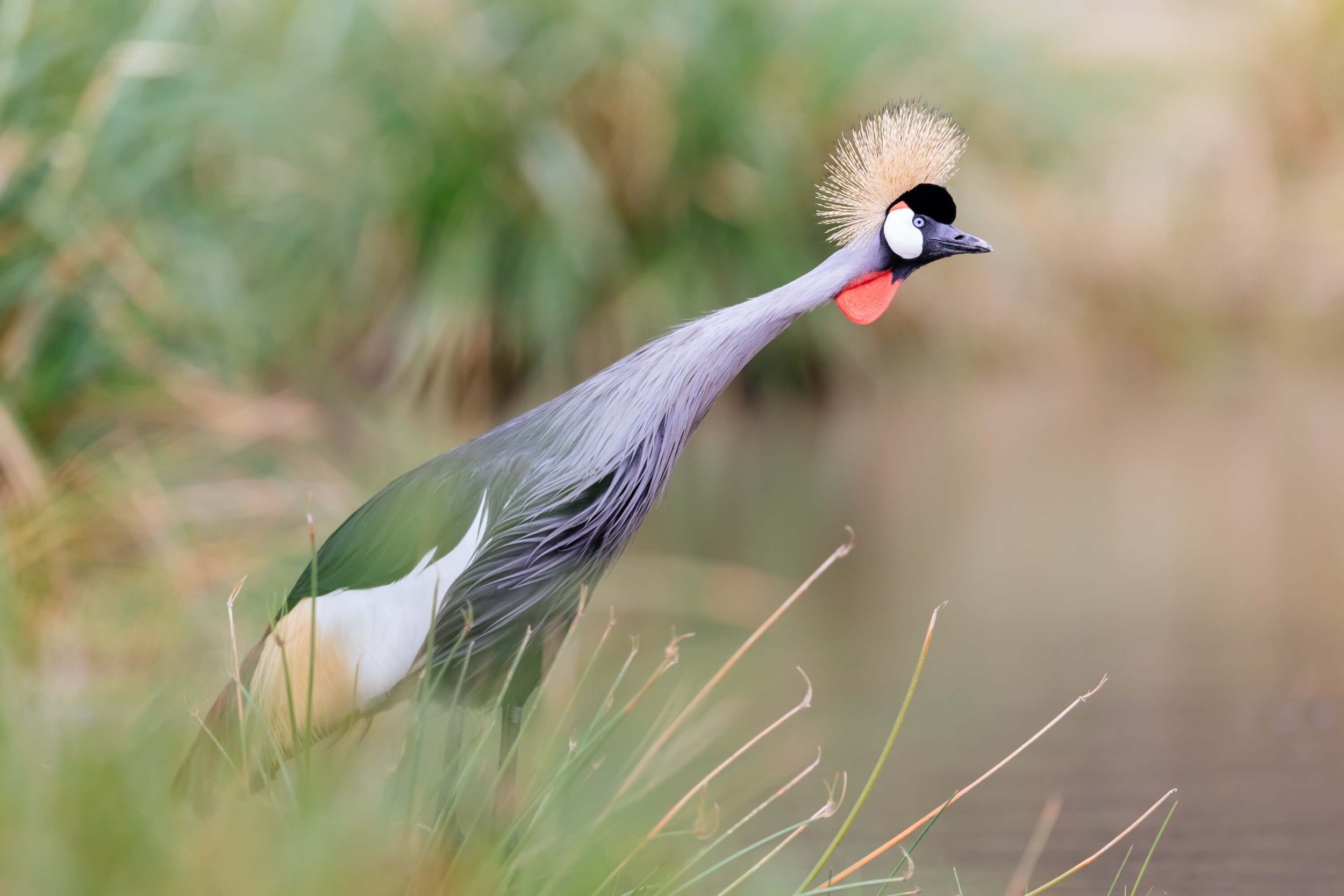
Crested cranes
December is when serious birdwatchers come specifically because the species diversity is at its peak. Even non-birders notice the difference — the bush feels alive with bird activity. At The Safari Cottages your private guide can tailor your game drives around birding if that interests you. Or you can simply enjoy the abundance of birdlife that makes every drive more engaging.
December Weather in Kenya
December weather is generally good and increasingly predictable.
Temperature: Warm days (22–26°C / 72–79°F), cool mornings (10–15°C / 50–59°F). Pack layers for early mornings, but you'll be comfortable all day.
Rainfall: Early December might see occasional showers (leftovers from November rains). Mid-December onwards, rain becomes unlikely but you can experience sporadic afternoon showers.
Sunshine: Clear to mostly clear skies. The landscape is lit beautifully. Photography conditions are excellent.
Humidity: Lower than November but not as dry as peak season. Comfortable for game driving and walking safaris.
This is ideal weather for safari. Not too hot. Not too cold. Clear enough for sightings. Lush enough for landscape beauty.
BOOK YOUR DECEMBER SAFARI TO KENYA
There’s something truly magical about Ol Pejeta in December; the rush of the festive season feels a million miles away and we revel in the peace and quiet of bush. If you’re looking for an escape from the Christmas chaos, you’ve found it!
December Safari Itinerary: What a Typical Day Looks Like
Early Morning (5:30–6:00 AM) Optional wake-up call. Tea/coffee at your cottage. Early game drive or sleep-in, depending on your preference.
Mid-Morning (9:30 AM) Return for breakfast or stay out and enjoy a picnic breakfast in the bush and game drive until midday.
Midday (12:00–3:00 PM) Lunch and rest time. The conservancy is quiet and hot. Read, rest or take a stroll around the property - explore our gardens or look for birds and wildlife along the riverline.
Late Afternoon (4:00–5:00 PM) A snack and an afternoon game drive.
Evening (6:00–8:00 PM) Sundowners (drinks out in the bush from a viewpoint) and a night drive on the way back.
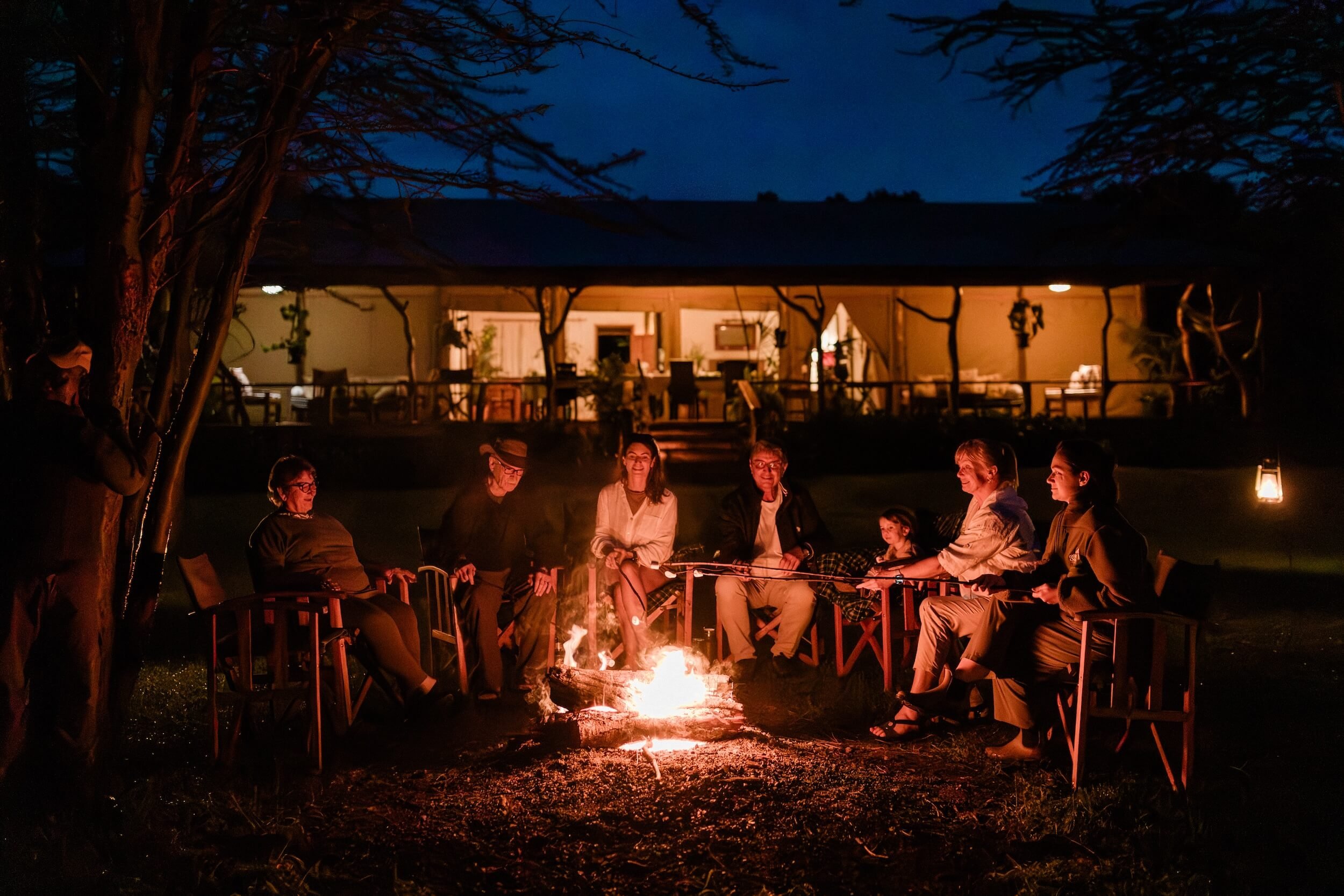
Night (8:00 PM onwards) Return home to a camp fire and dinner under the stars, Retire when you choose. Let the sounds of the bush lull you to sleep.
This rhythm is completely flexible. Some days you might game drive twice. Other days you might rest completely. All bookings at The Safari Cottages come with a private vehicle and guide so you can run your day on your own terms.
When to Book December
Early December (1st–20th): Best value + excellent conditions. Book atleast six months out — these dates fill up as people plan Christmas getaways and take advantage of low season pricing.
Late December (20th–31st): Peak season pricing but fun, festive atmosphere. Book atleast eight months in advance if you want school holiday dates and you’re really set on where you want to go.
CONTACT US
KEEP READING
More from the Ol Pejeta Safari Cottages blog
Kenya Safari in September: Peak Season Wildlife & Dry Weather (Without the June Crowds)
If you’re considering booking your safari to Kenya in September then here are five reason why this is your best idea yet!
September in Kenya is considered peak season — but don't let that scare you away. Yes, it's busier than shoulder months. But September offers something special that most travelers don't realize: peak wildlife viewing combined with adult-friendly travel after families return to school. If you're considering a Kenya safari in September, here's why it might be exactly the right time to book.

1) The Perfect Time for Couples and Adult Travellers
The September Advantage: Kids Go Back to School
By early September, schools in most countries have reopened after summer holidays. This means families stop traveling. The result? Better accommodation availability, more airline seat options, and competitive pricing — even during peak season.
If you're traveling as a couple, this is particularly valuable. Our one-bedroom safari cottages are designed for couples seeking privacy and exclusivity. You'll have a private chef preparing meals specifically for you, and a dedicated guide with a private vehicle. No shared experiences. No group schedules. Just you, your partner, and the African bush.
For solo travelers or adult friends traveling together, September offers peak season conditions without feeling crowded. You get the best wildlife viewing of the year with the personal attention of a cottage designed for your group.
2) Excellent Game Viewing Conditions
Dry Landscapes and Concentrated Wildlife
By September, the dry season is in full swing. The grass is short and sparse. Water sources have become scarce and concentrated. This combination creates ideal game-viewing conditions.
Short grass means predators (lions, leopards, cheetahs) are visible lounging on open plains: you'll see them hunting, you'll see them resting. You'll actually see them, which is the entire point of a safari.
Concentrated water sources also mean guides know exactly where wildlife will gather. Animals must come to water to drink. Your guides know which waterholes are active, which herds are moving through, which predators are hunting nearby. Wildlife becomes a little more predictable and reliable.
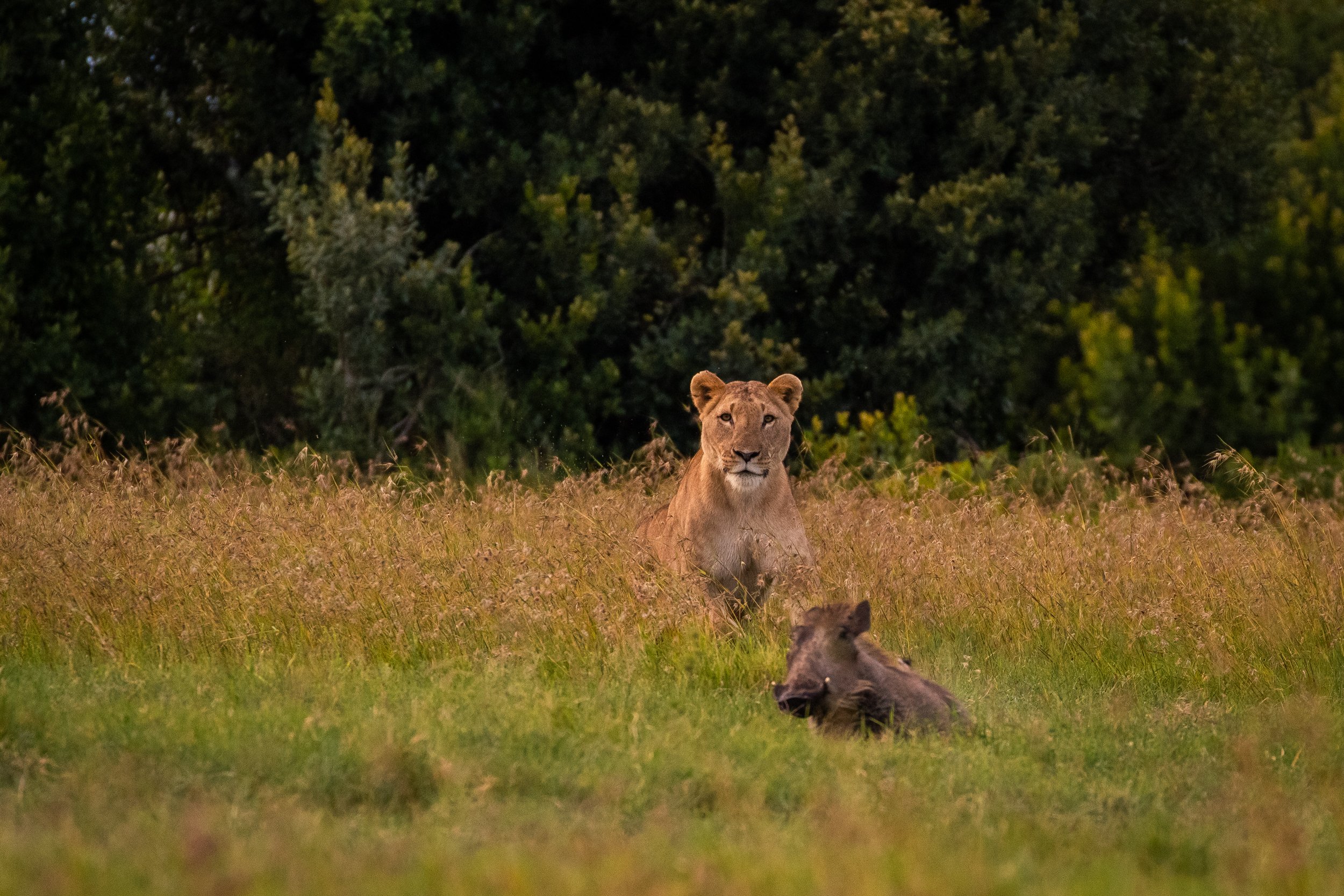
At The Safari Cottages, we watch elephants, giraffes, rhinos, and buffalo visiting the river during meals. Wildlife isn't hidden in green vegetation — it's visible across the landscape.
3) Reliable Weather and Minimal Rain
Nearly Guaranteed Clear Skies
While September can see occasional afternoon showers, the month is typically very dry. The risk of being rained in and unable to explore the bush is extremely low.
You can plan your activities with confidence. Early morning game drives happen in cool, clear conditions and afternoon drives have predictable weather. If you're combining a bush safari with beach time on the Kenyan coast, expect warm, dry days with minimal cloud cover.
**Pack sun protection and layers for cool mornings, but leave your umbrella at home. Weather is your ally in September, not an obstacle.


4)The Great Wildebeest Migration (July–October)
One of Nature's Seven Greatest Spectacles
Many travelers visit Kenya between July and October specifically to witness the great migration of wildebeest and zebra from Tanzania's Serengeti into Kenya's Masai Mara. September sits squarely in the migration window, offering excellent chances to see this remarkable event.
Here's our recommendation: start your safari at Ol Pejeta Conservancy in Laikipia (where you'll have quiet, personal game viewing if you choose to stay with us). Then fly directly to the Masai Mara to witness the migration spectacle. This approach gives you the best of both worlds: intimate wildlife viewing in the highlands, then the drama and scale of the migration.
The migration is one of the seven natural wonders of the world for good reason. If seeing it is on your bucket list, September is your window.
5) See Whales Sharks on The Coast
Start of the Gentle Giant Season
For travelers doing a "bush and beach" safari combination, September is ideal timing. Not only is weather excellent across East Africa, but September marks the start of whale shark season in the Indian Ocean off Kenya's coast.
Whale sharks migrate into the region during this period and if seeing these incredible gentle giants is on your list, September offers a strong chance of ticking that off. The clear, warm waters of September make spotting and swimming near these creatures possible (with proper guides and protocols).
BOOK YOUR SEPTEMBER SAFARI TO KENYA
Wildlife is abundant year-round in Ol Pejeta but there is something really wonderful about September; the lions are thriving and baby animals are popping up at every turn. We also tend to conduct our safari activities primarily in the wilderness area of the conservancy at this time, which has restricted access and means that game viewing isn’t as the mercy of big crowds of vehicles, as it is in the country’s national parks and reserves. It’s such a treat to have such privacy on your safari despite traveling during one of the busiest months of the year!
WHEN TO BOOK A SEPTEMBER SAFARI
Book now if September works for your schedule. Peak season accommodation fills months in advance. Early September (1–15) often has better availability than late September as travelers spread their bookings across the month.
Our one-bedroom cottages for couples are particularly popular in September — private, exclusive, intimate. If you're traveling as a couple, early booking is essential.
KEEP READING
More from the Ol Pejeta Safari Cottages blog

Kenya Safari in May: Why It's One of the Best Months to Visit (And Why Most People Don't Know It)
Think Kenya in May is a bad idea? Think again. The Safari Cottages are open all year on all-weather roads — here's why May might be your best safari yet.
If you've Googled "Kenya safari in May" and come away convinced it's a mistake, you're not alone. The travel internet is full of warnings about the rainy season, closed camps, and muddy roads. Bu the truth is most of it is outdated, overstated, or simply doesn't apply to Ol Pejeta Conservancy.
We've lived and worked here through more than twenty Mays. We know what it actually looks like on the ground. And what it looks like is extraordinary. Here's the truth about a Kenya safari in May — and why it might be the best decision you make this year.
Is May a Good Time for a Kenya Safari?
The honest answer is yes — and in several important ways, it's better than the months everyone fights over. The "long rains" that traditionally defined April and May across Kenya are changing. Our own rainfall records over the past decade show that May — particularly the second half of the month — is now drier than many August days. Climate patterns have shifted, and the blanket advice to avoid East Africa in May simply hasn't caught up with the reality on the ground.
More practically: The Safari Cottages are open throughout May, and we game drive on all-weather roads across Ol Pejeta Conservancy. Whatever the sky decides to do, your game drives happen. The wildlife doesn't take a rain day, and neither do we.

A cheetah wandering the plains of Ol Pejeta in May
5 Reasons a Kenya Safari in May Is Worth Booking
1. The Wildlife Is Exceptional — and Often Unseen
May is one of the most rewarding months for wildlife at Ol Pejeta, and one of the least appreciated.
The recent rains bring an explosion of fresh vegetation across the conservancy — and with it, plains game including giraffe, rhinos, eland, zebra and more are out in enormous numbers. It's one of the most reliable windows of the year for extended, close rhino sightings, including encounters with Ol Pejeta's critically endangered northern white rhinos.
Big cats remain highly active. Lion prides patrol the open plains, cheetahs work the grasslands, and elephant family groups move through the conservancy in relaxed, unhurried herds. There's no shortage of sightings — just a shortage of other people trying to see them.
Which brings us to point two.
2. You'll Have the Conservancy Almost to Yourselves
This is the quiet secret of a May safari: most people aren't here.
Because the travel internet steers visitors away from Kenya in May, the conservancy is at its least crowded. For guests at The Safari Cottages — where every stay is entirely private by design — this means game drives with no other vehicles at sightings, the ability to sit quietly with a lion pride for as long as you like, and a stillness to the bush that peak-season visitors rarely experience.
If you've ever watched a safari video and thought "I wish it was that quiet," a May safari at Ol Pejeta is what you're looking for.
3. It's One of the Best Value Months of the Year
Most properties that remain open in May operate on low season rates, making it one of the most cost-effective times to experience a high-quality Kenya safari. At The Safari Cottages, our low season pricing runs from April through to mid-June — meaning May guests access a fully private, exclusive-use safari experience (private guide, private vehicle, private chef, flexible schedule) at a significantly lower rate than the same experience in July or August.
It's worth being clear about what that means in practice: you're not getting a lesser safari. You're getting the same private guide, the same vehicle, the same chef, the same wildlife — at a lower price, with more of the conservancy to yourself. What’s not to love?
For families, couples, or anyone balancing quality with budget, May is worth looking at seriously.
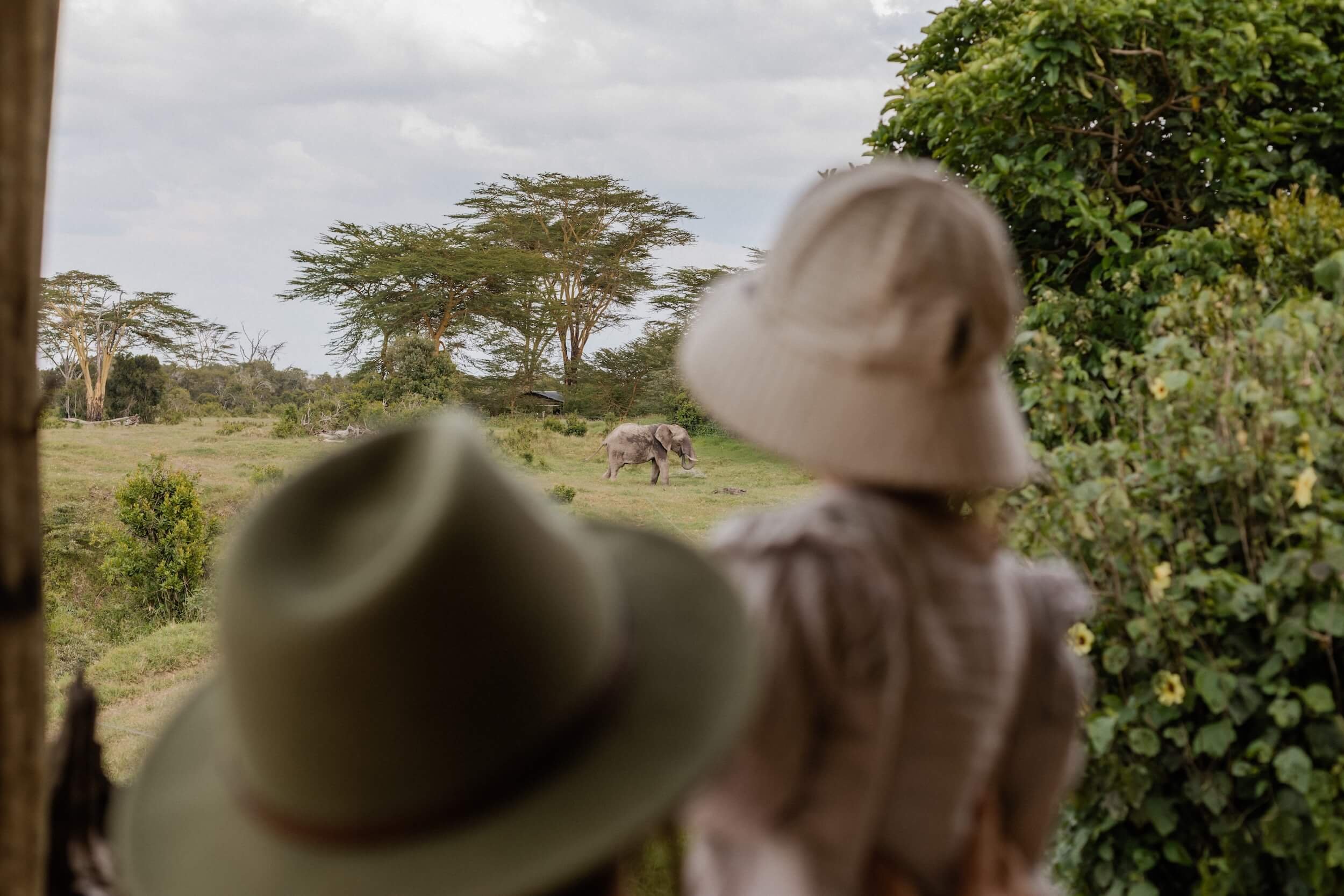
An elephants wanders up the river over lunch at The Safari Cottages
4. Ol Pejeta Is Breathtakingly Beautiful in the Green Season
There are two versions of Ol Pejeta. The dry-season version — golden, dramatic, stripped-back — is the one that fills most safari brochures. The green-season version is something else entirely.
After the April rains, the conservancy transforms. The plains turn a deep, vivid green. Rivers run full. Dams overflow. Wildflowers appear across the grassland. The light softens and so does the pace.
May is arguably the most photogenic month of the year at Ol Pejeta. The rich green backdrop makes wildlife portraits striking. Occassional overcast skies diffuse the harsh midday sun, creating a softbox effect that wildlife photographers love. And the night skies — cleared by the passing rains — are exceptional. Our team of askaris will show you the southern constellations on any clear evening whilst you sip your gin and tonic around the campfire, and there are a lot of them in May.
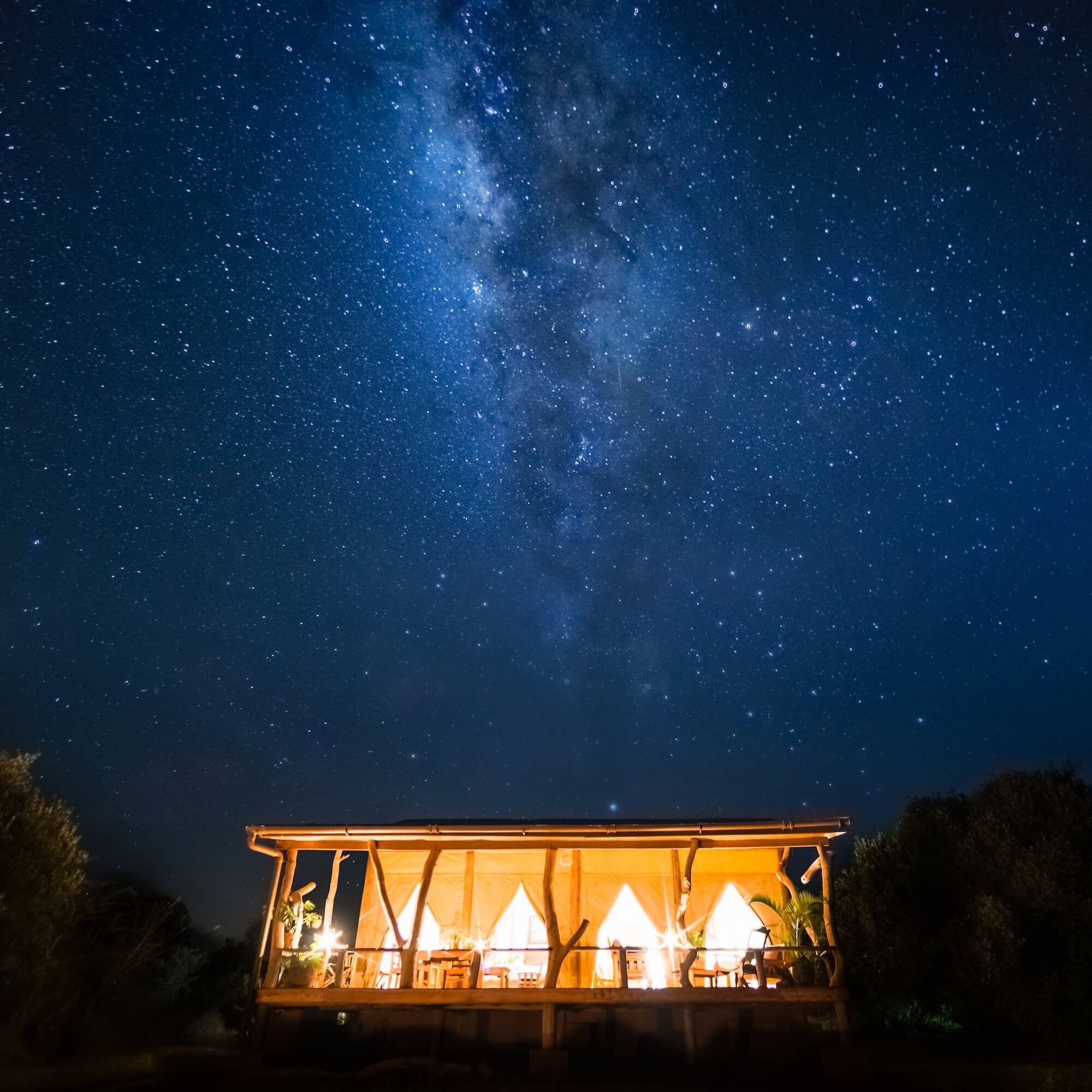
Stars over Ol Pejeta Safari Cottages
5. It's Baby Season
Few things make a game drive more joyful than newborns, and May delivers them in abundance.
The rainfall triggers a wave of births across the conservancy as animals take advantage of the food availability. Baby zebras, still unsteady, stay close to their mothers on the open plains. Hyena cubs tumble around den entrances in the early morning. Elephant calves wade cautiously through the full dams. Warthog piglets sprint behind their parents in single file at impressive speed.
This is the conservancy at its most alive — and for families travelling with children, or anyone who wants their safari to feel genuinely joyful rather than just spectacular, May is quietly one of the best months of the year.


What About the Rain?
It's a fair question, and one worth answering directly.
May can bring rain. Typically in concentrated bursts — often in the afternoon or evening — rather than all-day drizzle. Mornings are frequently clear and cool, which is when most game drives happen. When rain does arrive, it tends to be dramatic and brief, and it passes to leave the air clean, the light extraordinary, and the wildlife moving.
Because The Safari Cottages operate on all-weather roads throughout Ol Pejeta, rain doesn't limit where we can drive or what we can see. Other parts of Kenya are more affected by May weather — particularly areas reliant on dirt tracks or lower-lying terrain. Ol Pejeta's road network and our private vehicle mean the experience is consistent regardless of conditions.
In short: pack a light waterproof, embrace the drama of a Laikipia rainstorm, and don't let the forecast stop you.
Watching lions on an afternoon game drive - a rain storm building in the background
Why Most Camps Close in May — And Why We Don't
Here's the competitive context that's worth knowing: several of Kenya's well-known safari camps, including some on Ol Pejeta itself, close in May for maintenance or due to access challenges. We don't. The Safari Cottages are open twelve months of the year. Our all-weather road access means we've never had a reason to close, and we've never turned away a May guest due to conditions.
If May is your window — because of school calendars, work schedules, budget, or simply a preference for quieter, more atmospheric travel — there are fewer options than in peak season. We're one of the best ones. And we're open.
What a May Safari Looks Like at The Safari Cottages
Your days in May have a rhythm that feels completely unhurried.
Early morning game drives begin just before sunrise — the air cool, the light extraordinary, the wildlife at its most active. White rhinos graze on open plains. Cheetahs prowl through the long grass. Elephants meander the riverline whilst you sip your morning coffee and joke with your guide.
You return for a late breakfast — prepared by your private chef, served at your pace, on your verandah or in the garden. The mid-morning hours are for coffee, reading, birdwatching from the deck, or simply sitting and listening.
If an afternoon shower arrives, it does so while you're inside, comfortable, and watching the sky change from somewhere you'd want to be anyway. By the time the evening drive rolls around, the plains smell extraordinary and the light is exceptional.
Sundowners in the bush, or perhaps cozied up by your fire at home. Dinner served to your liking, cooked by your private chef.
May at Ol Pejeta is quietly one of the best versions of a Kenya safari. It just doesn't advertise itself loudly enough.
The Safari Cottages are open in May, operating on all-weather roads, with full private guiding, your own vehicle, and low season rates in effect.
VIEW OUR RATES HERE AND CONTACT US TO BOOK YOUR STAY
CONTACT US
KEEP READING
More from the Ol Pejeta Safari Cottages blog
Your safari at Ol Pejeta is extraordinary on its own, but three additional conservation activities transform it from wildlife viewing to understanding real conservation work. Meet the world's last two Northern white rhinos, visit rescued chimpanzees in the Sweetwaters Sanctuary, and witness the K9 anti-poaching unit track suspects (you!) through the bush. These are the experiences that change what your safari means.