
5 reasons to travel to Kenya in February
February feels much like “a settling” here at The Safari Cottages. As the buzz of the festive season draws to a close we can get our teeth into doing what it is we love most; enjoying the magic of the African bush and sharing that with our guests. February is a wonderful time of year to visit Kenya and very popular with our friends in the Northern hemisphere as it offers sunseekers the chance to escape the winter chill and spend their days dosed in sunshine instead. So, if you’re seeking some respite from the darkness traveling to Kenya in February is a wonderful way to up your Vitamin D intake in the best way!
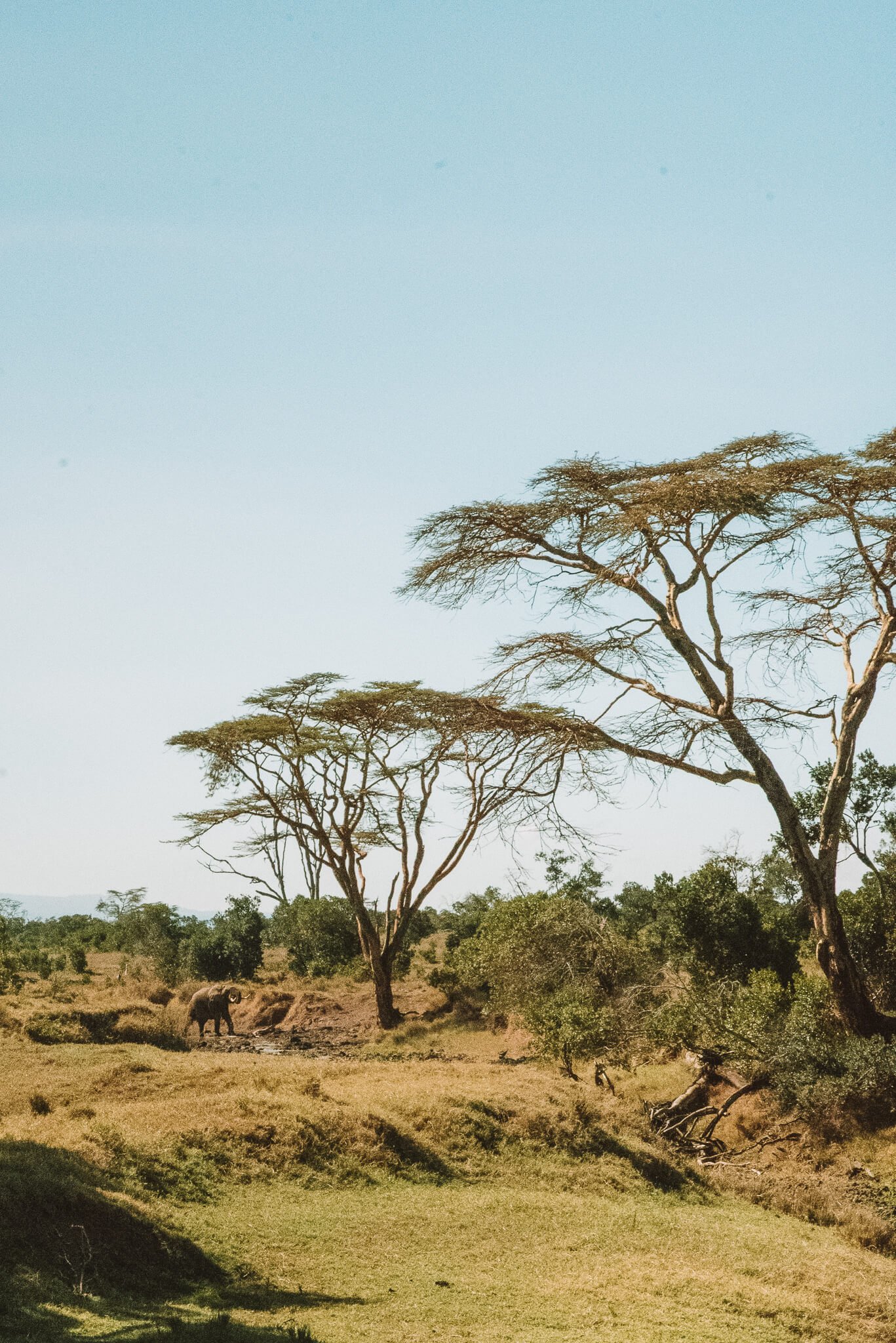
An elephant drinking x Britt Von Steinen
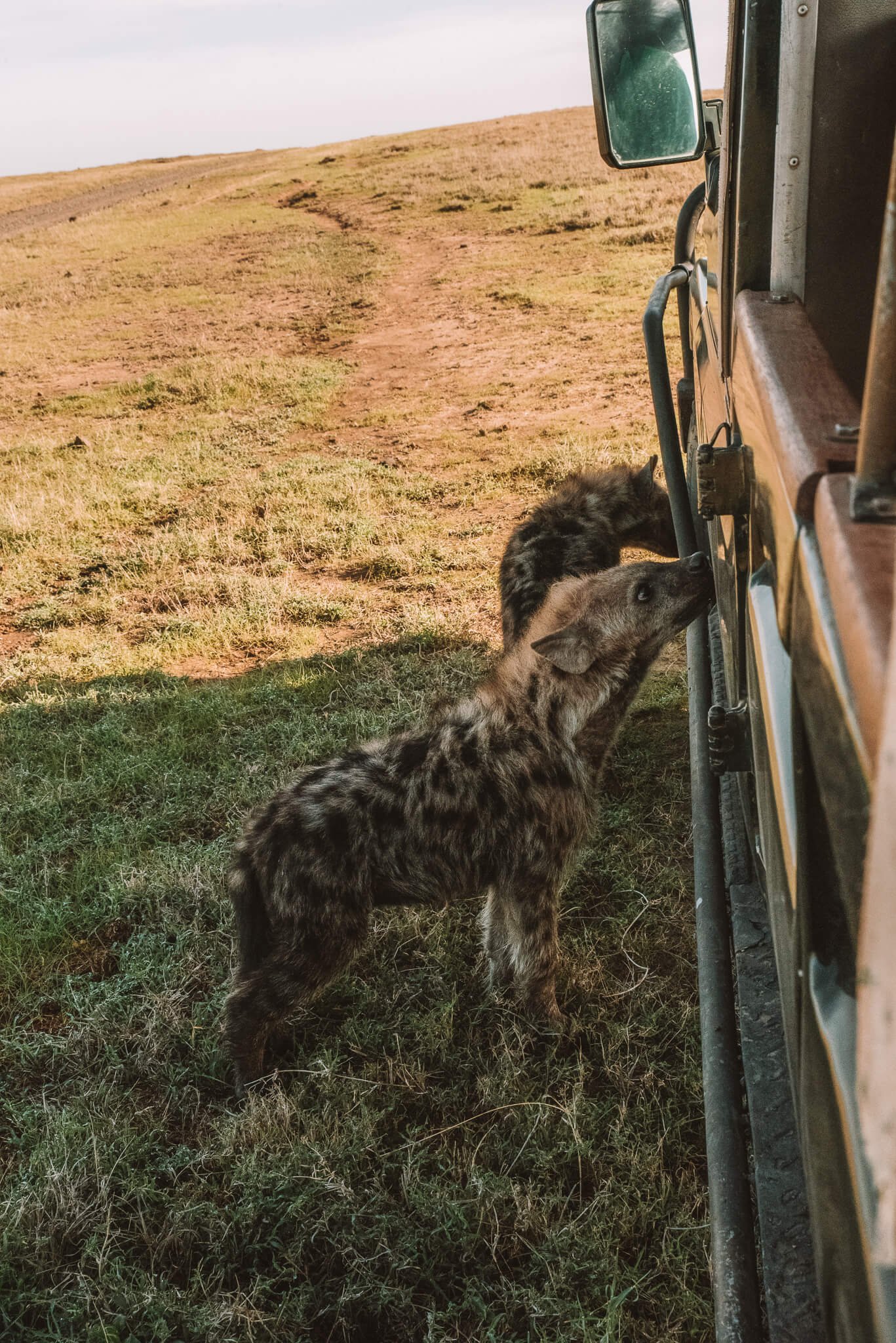
Curious young hyenas x Britt Von Steinen
Here are five things we love about living in and traveling around Kenya in February…
1) Hot and dry weather
You may well associate hot dry weather with dusty feet, crunchy contact lenses and crispy hair but in Ol Pejeta the ground is still fairly settled after the November rains and grasslands are still being grazed down, keeping the dust largely at bay. But if you travel North to Samburu and beyond, or down to the drier reserves and parks like Tsavo and Amboseli, you’ll find dramatic dusty landscapes. As global weather patterns shift you’ll find that some parts of Kenya do experience sporadic rain showers around this time of year but, for the most part, you’re likely to enjoy clear, hot days all around the country so don’t forget to pack your sunhat and a big ol’ tub of sunscreen!
2) Big cats and big action
With limited rainfall and smaller, scattered water sources drying up plains game like zebra, buffalo and gazelles tend to gather at a more limited selection of water sources this time of year. The lions, leopards and cheetah know what’s up because they’ll often be spotted here too, waiting for herds to gather for the evening drink and finding dinner for themselves. If you’re looking for predator action on your Kenya holiday then February is the month for you!
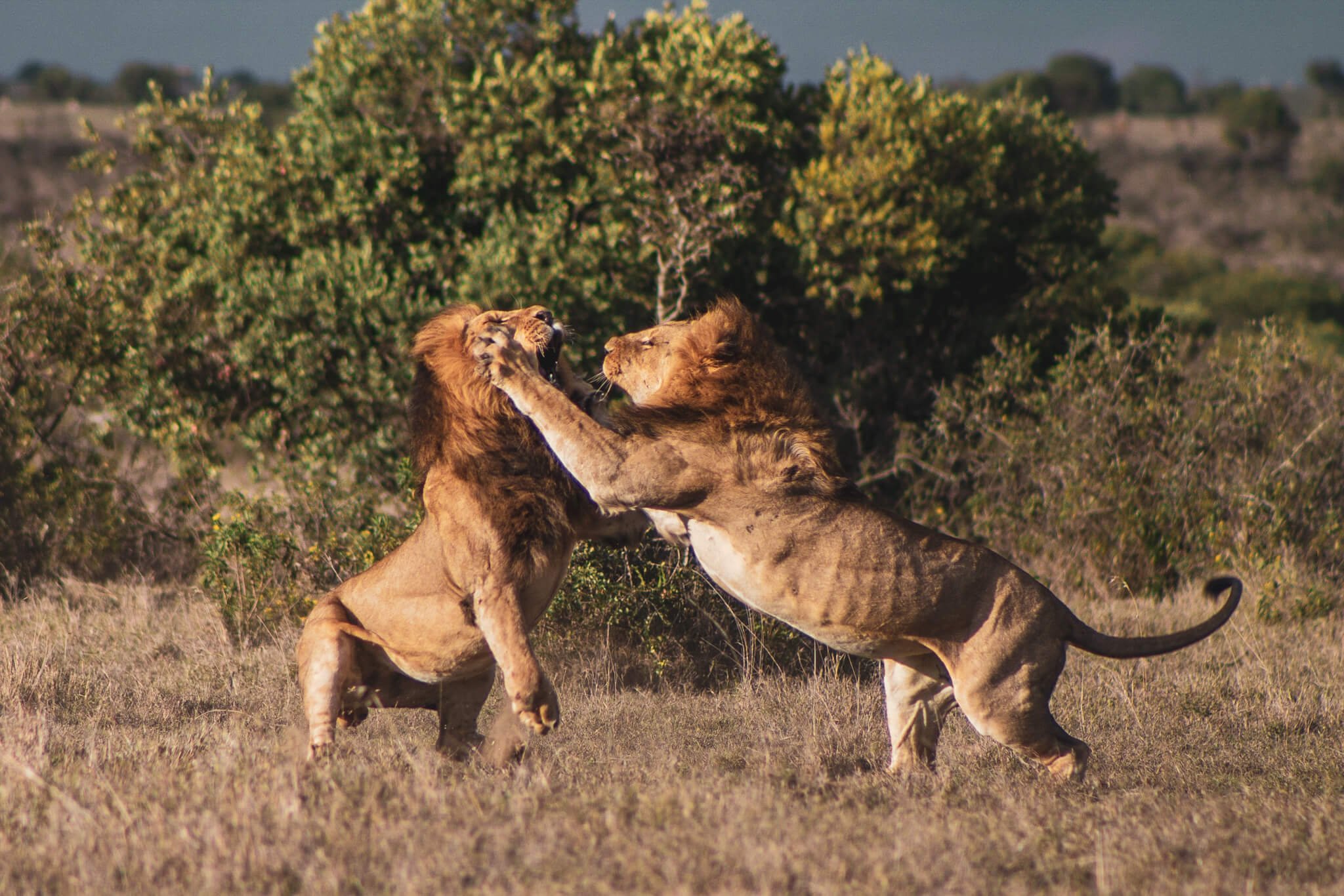
Male lions fighting over a female in Ol Pejeta x Kat Macleod
3) Lazy days at the beach
Temperatures on Kenya’s coast tend to soar at this time of year, often times reaching up to the late thirties (celcius) in the middle of the day. The brilliant sunshine and the spicy climate brings out the lizard in us all; whether you are someone who likes to rest or not, spending a day sipping a cocktail and reading a good book on the beach is a lovely finale to your safari. And who knows, maybe a little bit of forced rest is exactly what you need? Head to the North coast to escape the crowds or Diani if you’re seeking out the Zanzibar-like white sand beaches.
Top tip: If you’re nervous about the heat opt for an air-conditioned hotel room or accommodation right on the beach where you can enjoy the fresh sea breeze.
4) Mountain views
Did you know that, although Mt Kilimanjaro is located in Tanzania, the the best views of this iconic mountain are actually from Amboseli National Park in Kenya. And as far as photographic backdrops go, the impressive peaks of Mt Kenya and Mt Kilimanjaro make for a pretty jaw dropping image! With the lack of rainfall around you’re likely to enjoy fantastic views of both of these iconic mountains during your February Kenya safari.
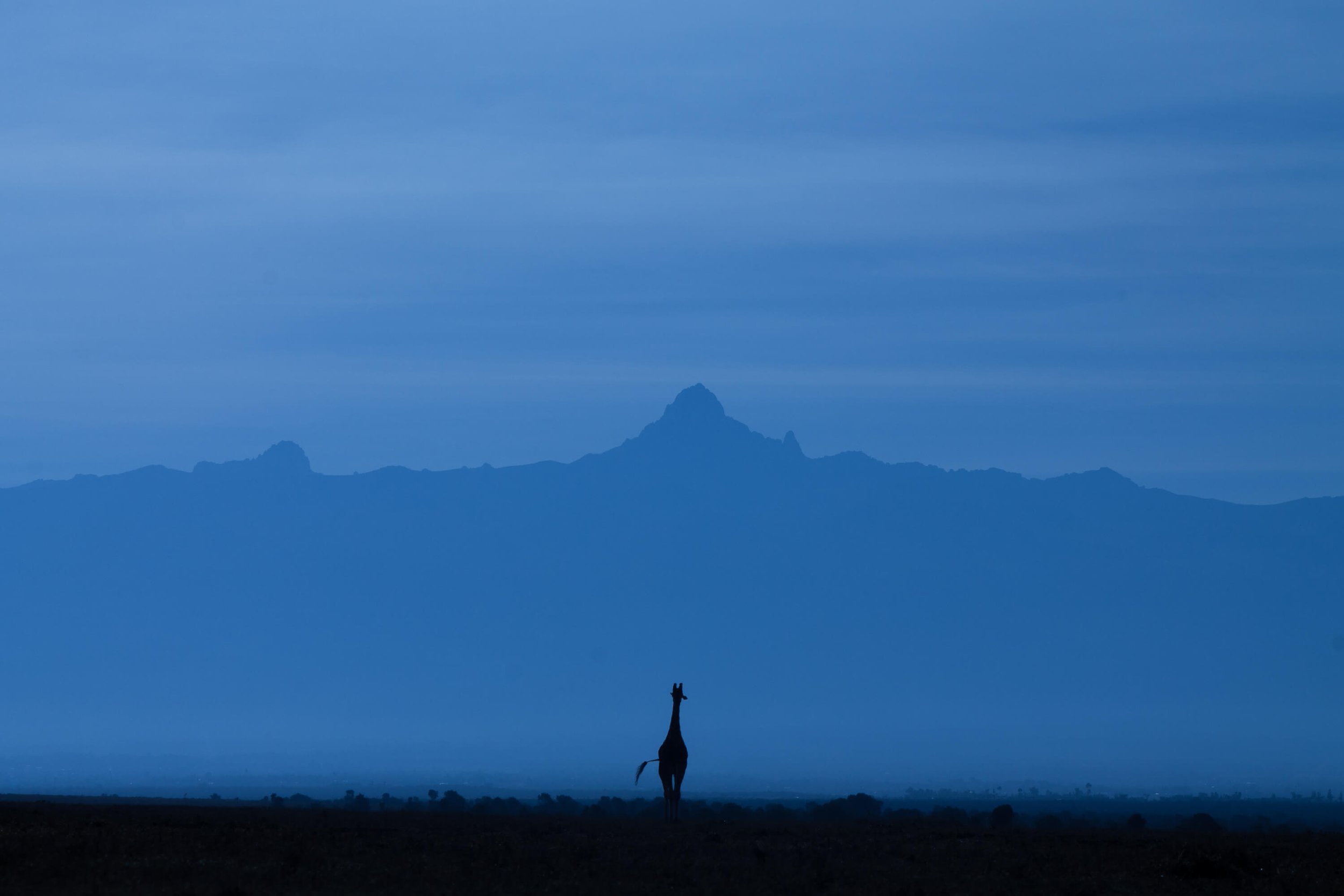
A giraffe on Ol Pejeta, infront of Mt Kenya at dusk
5) Couples and solo travellers get some quiet time
With most kids back at school, February is a popular time of year for couples and solo travellers who are looking for an adults-only safari experience to head out and enjoy a bit of R&R on their Kenya Safari Holiday. Our one-bedroom safari cottages make for a ideal escape if you’re searching for privacy and exclusivity and, as all our safari cottage are exclusive use, even families with very young children have their own dedicated space. So you’ll have a lovely bit of peace and quiet no matter what!
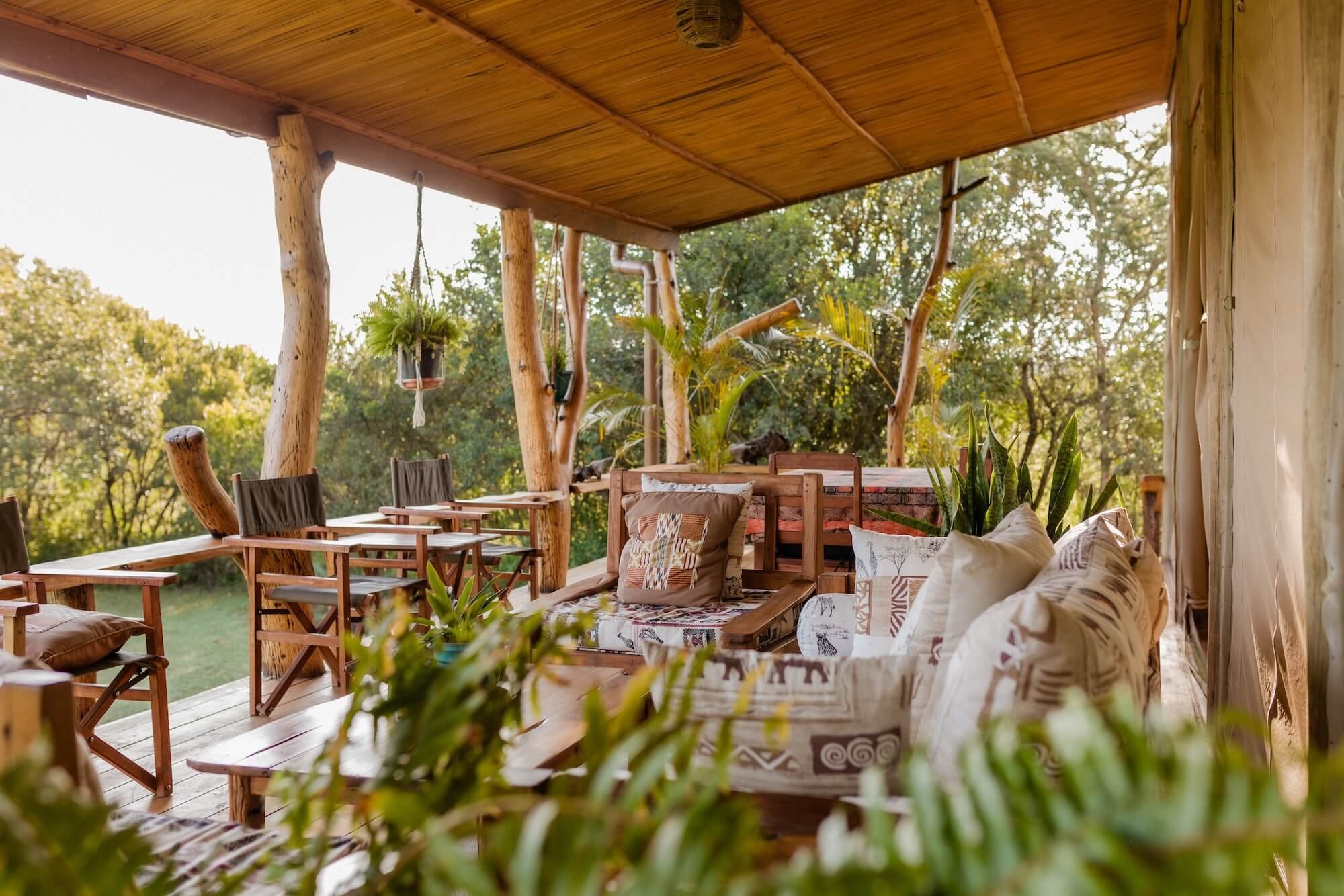
One bedroom safari cottage verandah
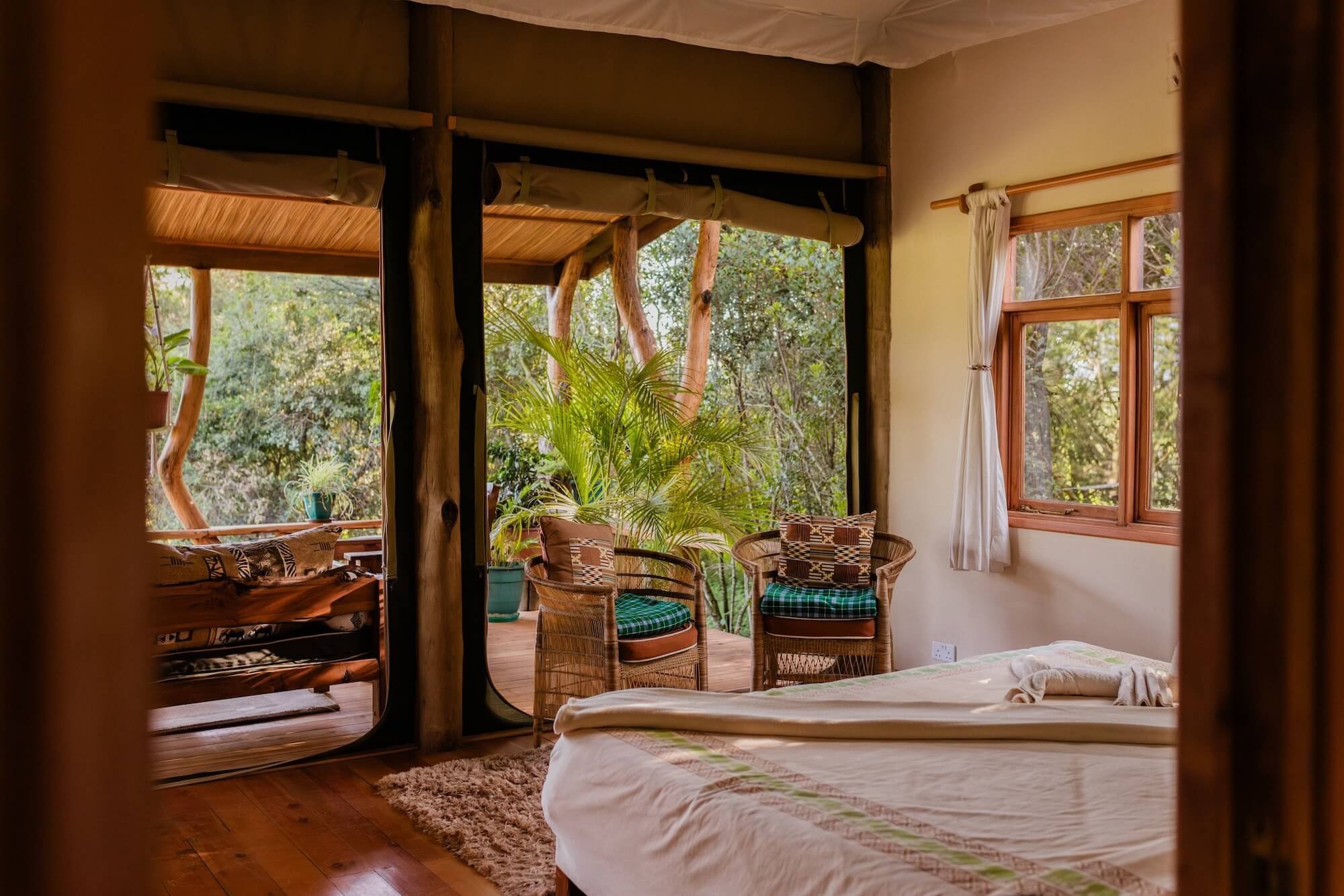
One bedroom safari cottage bedroom
BOOK YOUR FEBRUARY SAFARI TO KENYA
Bring your binos, your camera and book your February stay with us to experience one of Kenya’s most abundant wildlife conservancies; the award-winning Ol Pejeta Conservancy, at The Safari Cottages.
KEEP READING
More from the Ol Pejeta Safari Cottages blog





November is green season in Kenya and it is lushly green with afternoon rainfall and flowing rivers. It offers something rare: lush landscapes, solitude before the December holiday rush, and exceptional shoulder-season value.