
What to Expect on a Day Trip to the Aberdares: Cloud Forests, Waterfalls & High-Altitude Wildlife
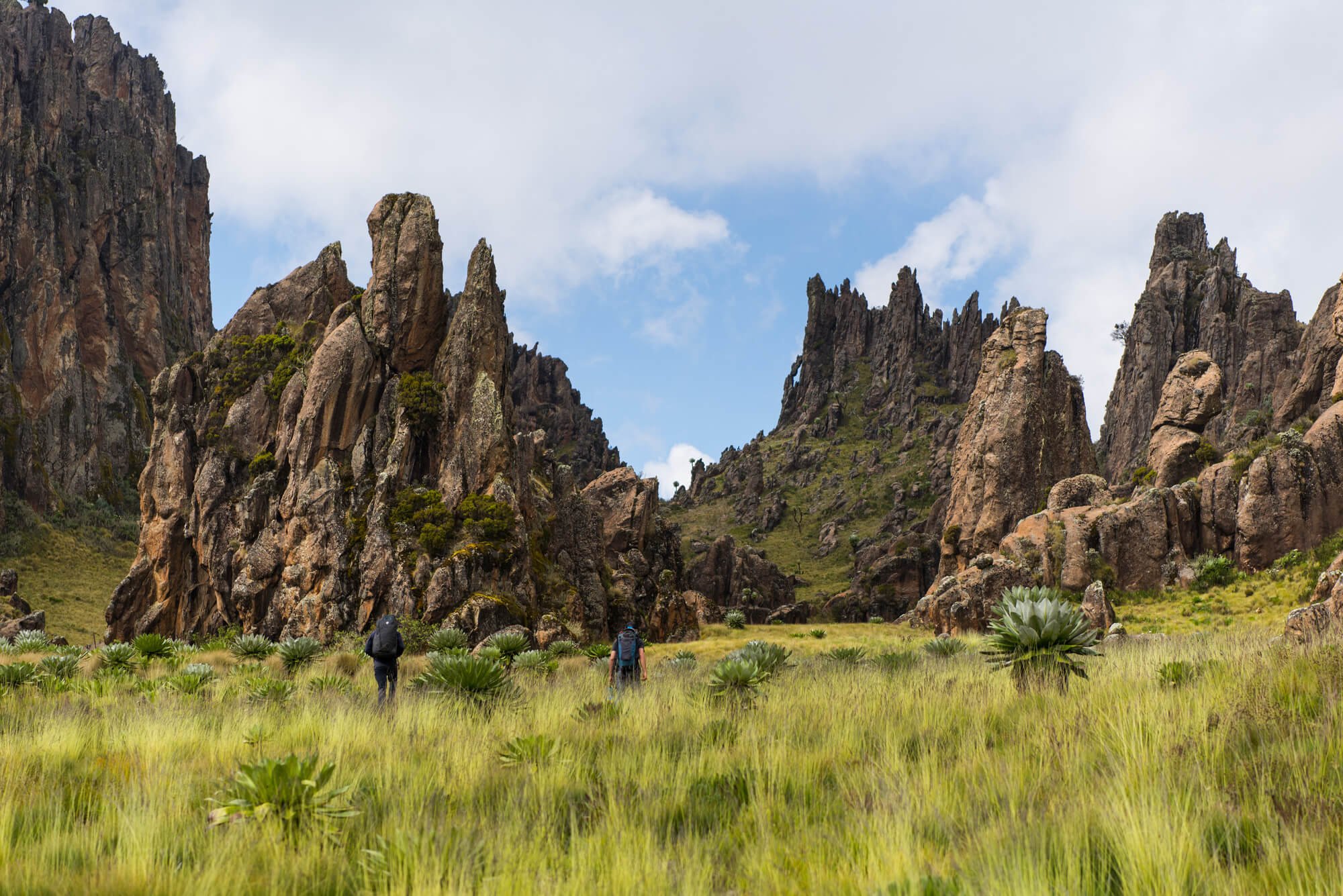
The Aberdare Range is one of Kenya's most dramatic mountain forests — a sprawling high-altitude wilderness where the landscape shifts from open plains to dense cloud forest within hours. While most visitors to Kenya head to the Masai Mara or the Rift Valley, the Aberdares remains one of the country's best-kept secrets. If you're staying at Ol Pejeta and looking for something completely different from a traditional game drive, a day trip to this fantastic part of the country offers scenery, wildlife and experiences you simply won't find elsewhere.
Your Aberdares Adventure Begins
Like all our day excursions, you'll start with an early breakfast at your safari cottage — steaming Kenyan coffee or tea, fresh fruit, a selection of baked goods and Sonja's famous homemade granola. After fueling up, your guide will collect you and you'll set out toward the Aberdare Range, driving through rural farmland and small villages toward the foothills of the range. This is where you'll get a real glimpse of life in the Kenyan highlands: terraced farms, working communities, children walking to school. It’s wonderful to watch the rhythm of rural Kenya unfolding around you.
As you climb in elevation, the landscape shifts. The savannah gives way to green hillsides, then to thick forest. The air becomes noticeably cooler. By the time you arrive at the forest gate in mid-morning, you're in a completely different ecosystem — misty, lush, alive with possibility.
The Aberdare Forest: Watch the Landscape Transform
The Aberdare Range is a place of extraordinary beauty and scale. Dense cloud forest covers the high peaks, creating a landscape that feels primordial and untouched. The air smells of earth and vegetation and light filters through the canopy in dramatic shafts. The forest is alive with sound: birds calling, leaves rustling, the distant sound of running water.
Your explorations begin the moment you pass through the gate.
The Aberdares are altitude between 2,000 and 3,000 meters — high enough that the vegetation is completely different from the dry plains of Laikipia. You're walking through indigenous forest full of giant heather, wild banana plants, and towering cedar and olive trees.
The temperature is cool in the mornings then warms up as the day breaks in ernest — bring layers. Though the forest canopy is dense enough that rain is a possibility even on otherwise clear days.
The Aberdares' Unique Wildlife
While the Aberdares are known more for scenery and birdlife than for big game, the mountain forest has its own wildlife story. The altitude and vegetation support species you won't find on the plains.
Leopards live in the Aberdares and occasionally leave tracks on the forest paths, though actual sightings are rare. Your guide will point out their pug marks in the mud.
Hyenas are present but nocturnal. You won't see them on a day trip, but they're part of the forest ecosystem and you’ll see evidence of them everywhere.
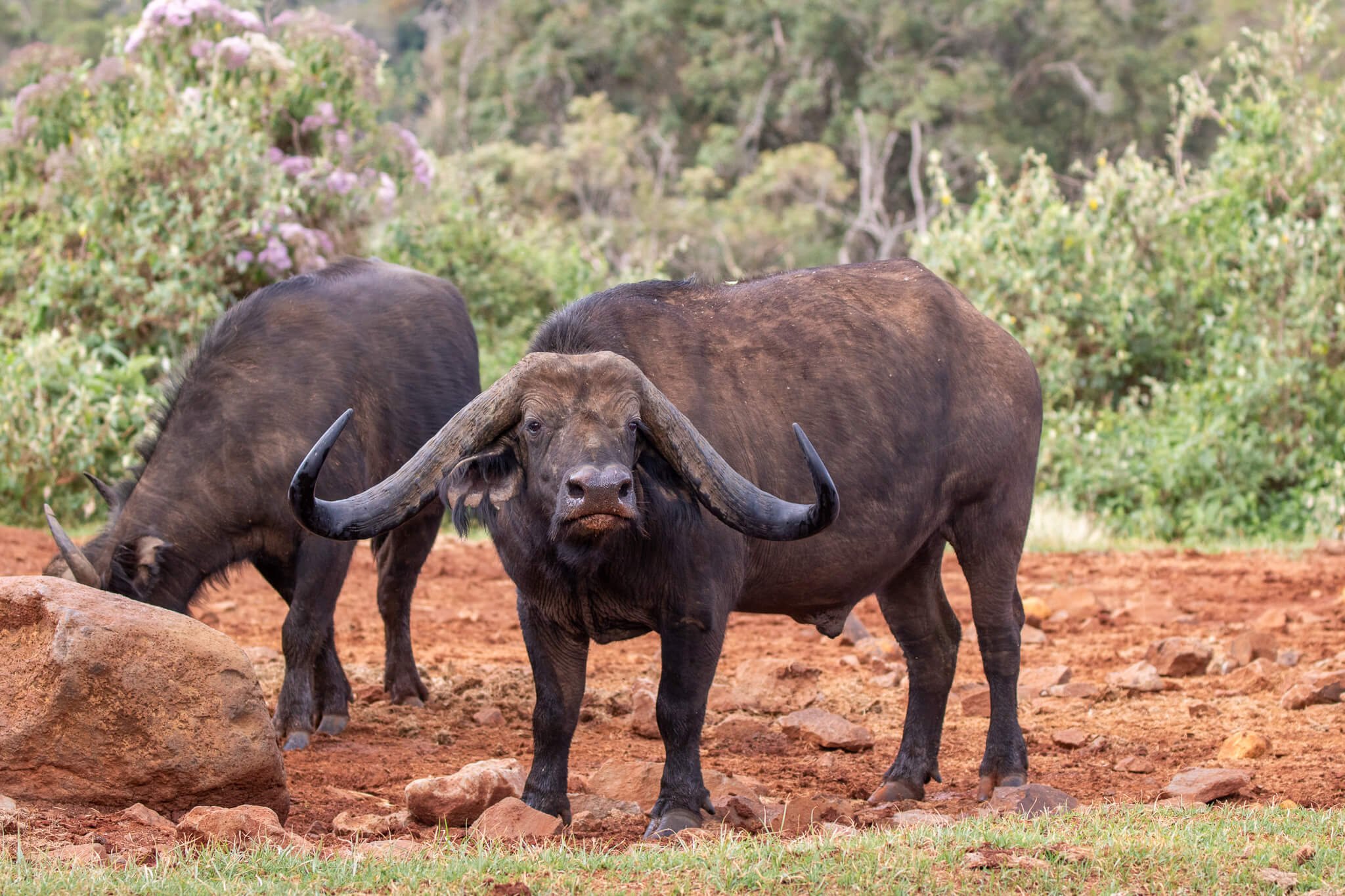
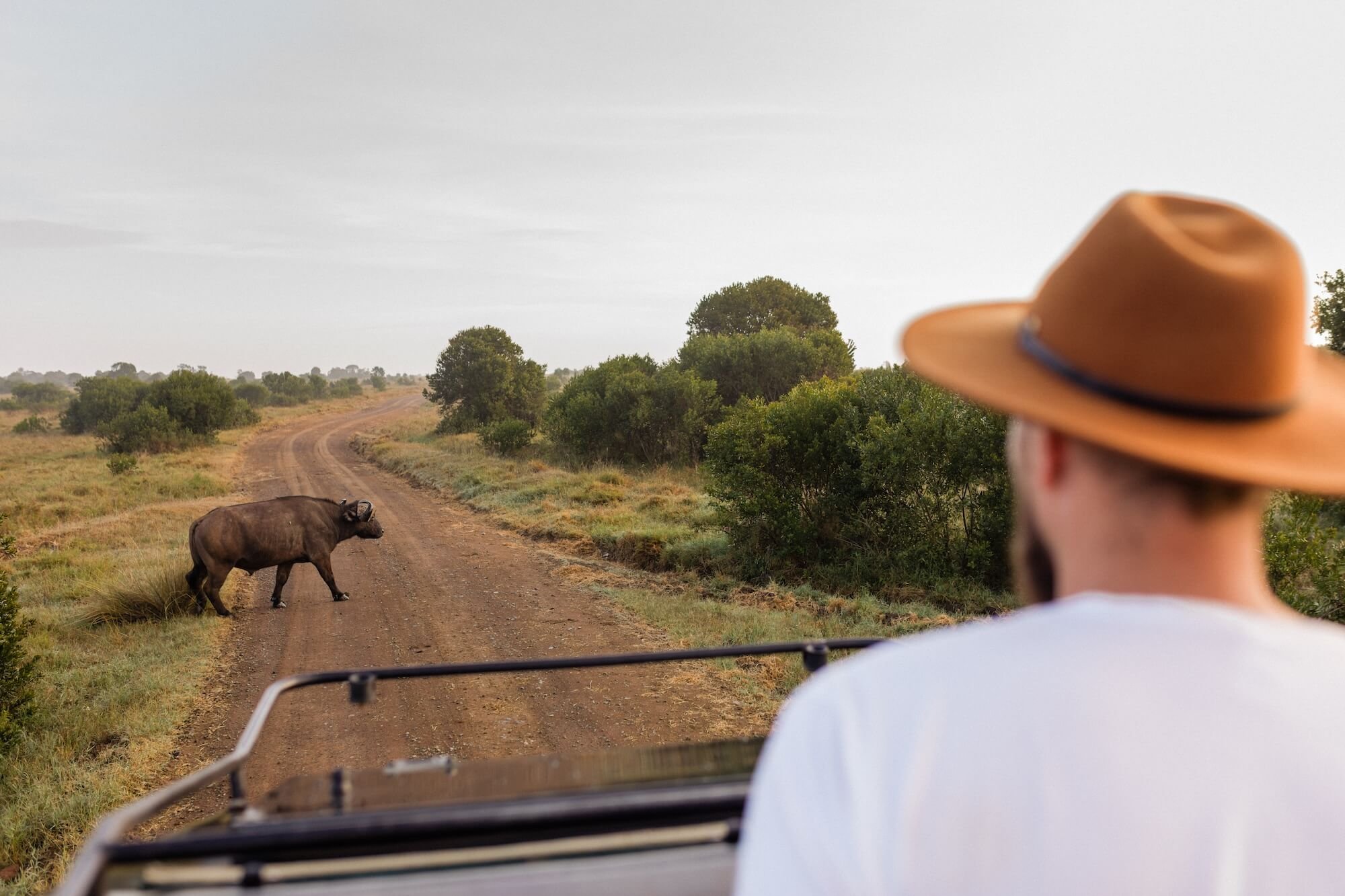
Forest buffalo — a smaller subspecies than plains buffalo — move through the Aberdares. They're shy and avoid humans, but evidence of them is everywhere: dung, tracks, heavily worn paths through the dense vegetation where herds regularly move.
Giant forest hogs are unique to this area. They are secretive but spotted often.
Bongo are rare to see but if you’re going to see one anywhere, it will be in the Aberdares. Keep your eyes up.
Bushbucks and other forest antelope often cross your path too.
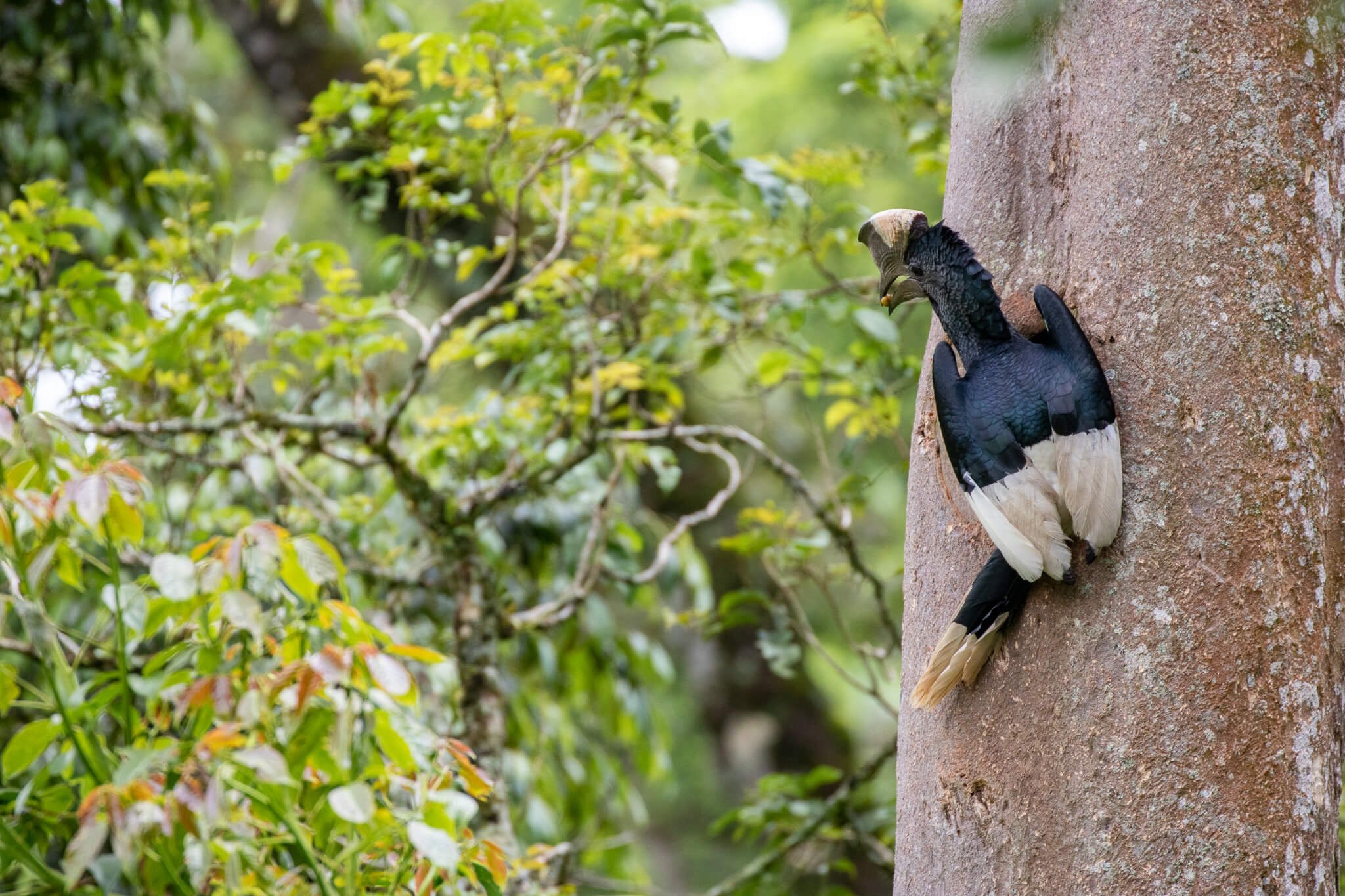
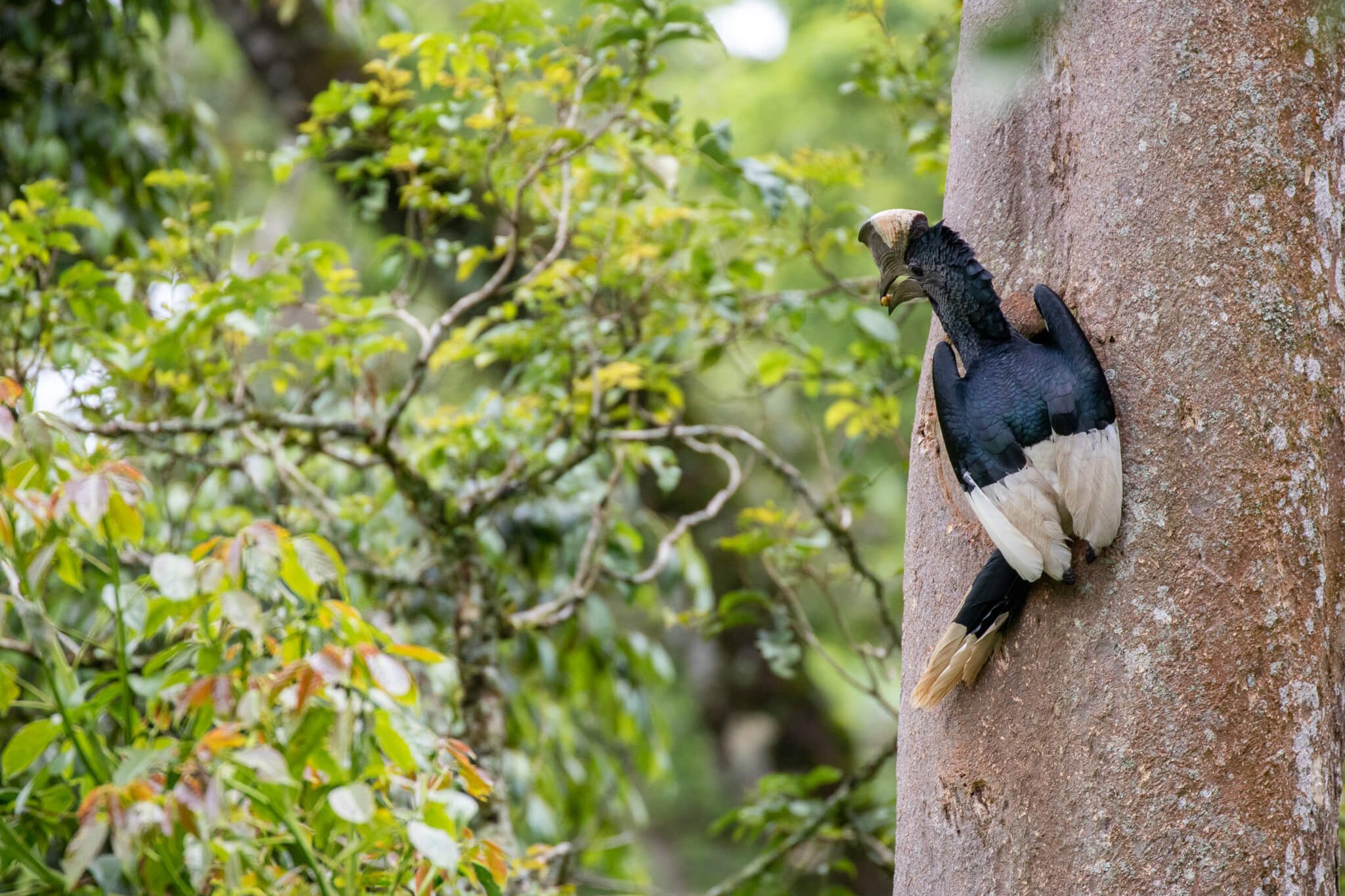
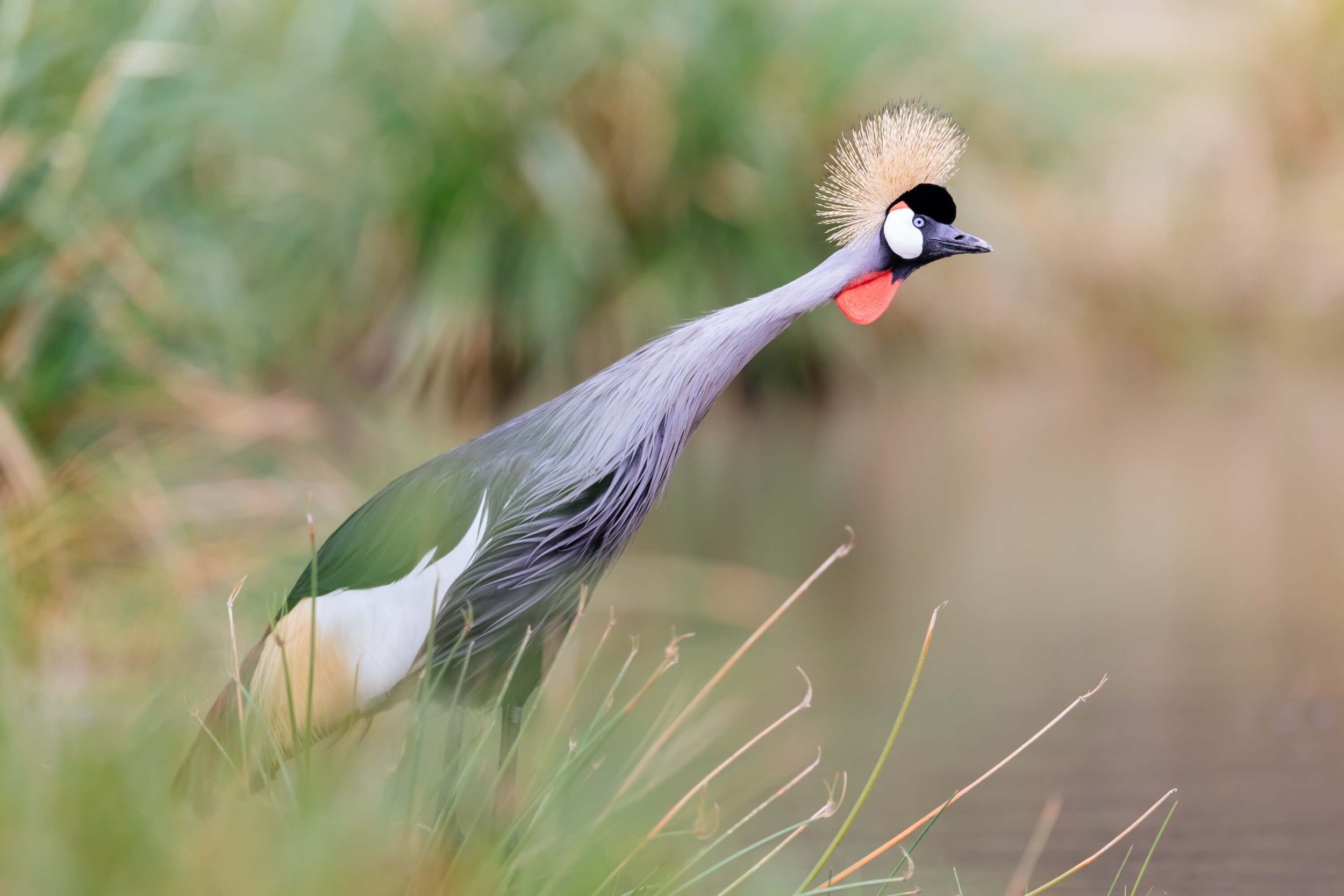
But the real wildlife spectacle is the birds. The Aberdares are a paradise for birdwatchers. At altitude, you'll see species found nowhere else in Kenya. Hurtlab's turaco, the Silvery-cheeked hornbill, the Malachite kingfisher on forest streams, and countless others. Your guide will listen for calls and point out birds high in the canopy. Even non-birders find the bird activity astonishing — the volume of sound, the variety, the constant movement through the trees.
The forest is alive with smaller wildlife too: monkeys (including the rare Colobus), squirrels, hyraxes, and an extraordinary diversity of insects. This is a rich, functioning ecosystem that feels completely different from the plains.
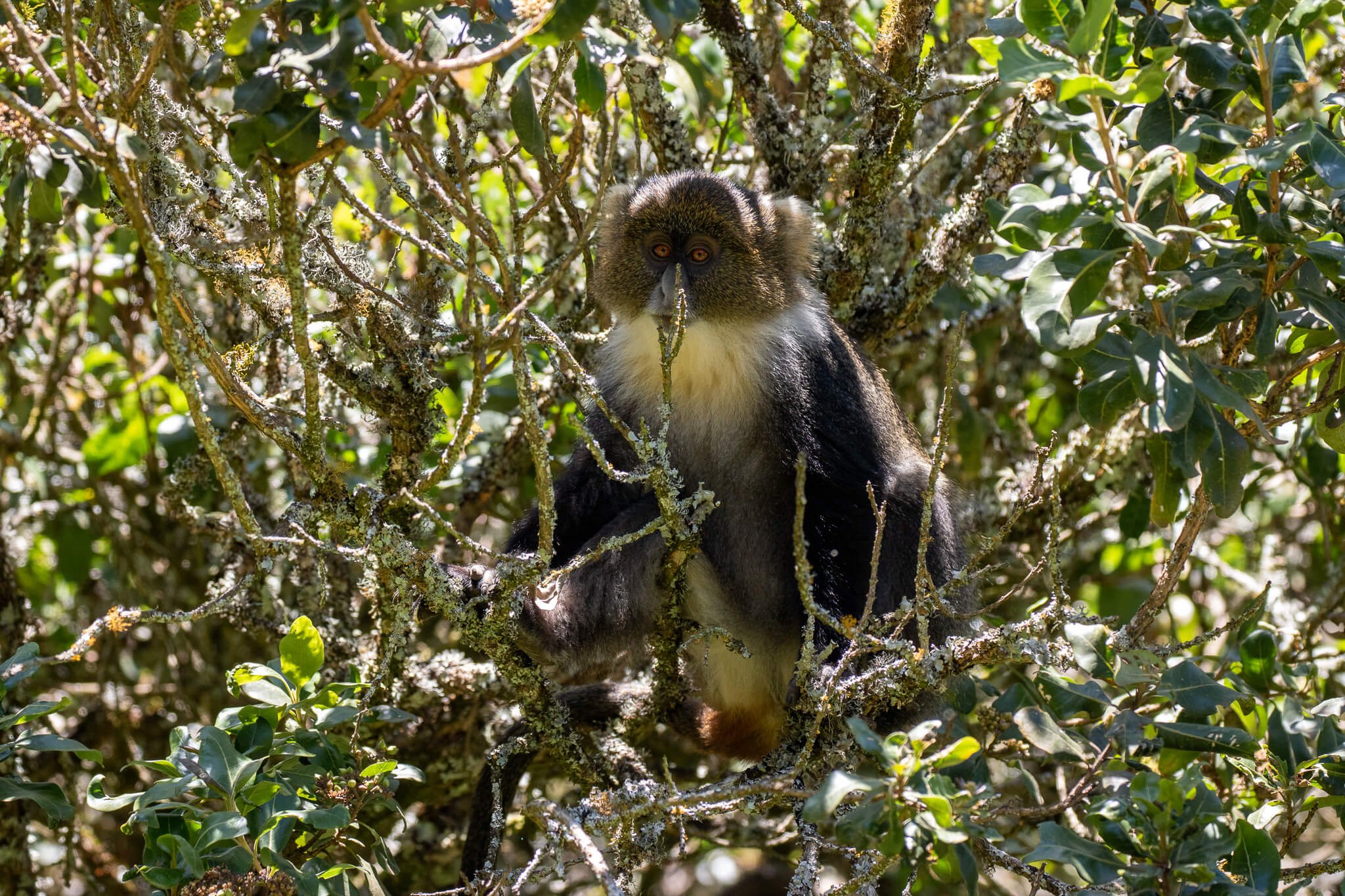
Colobus Monkey in the Aberdares
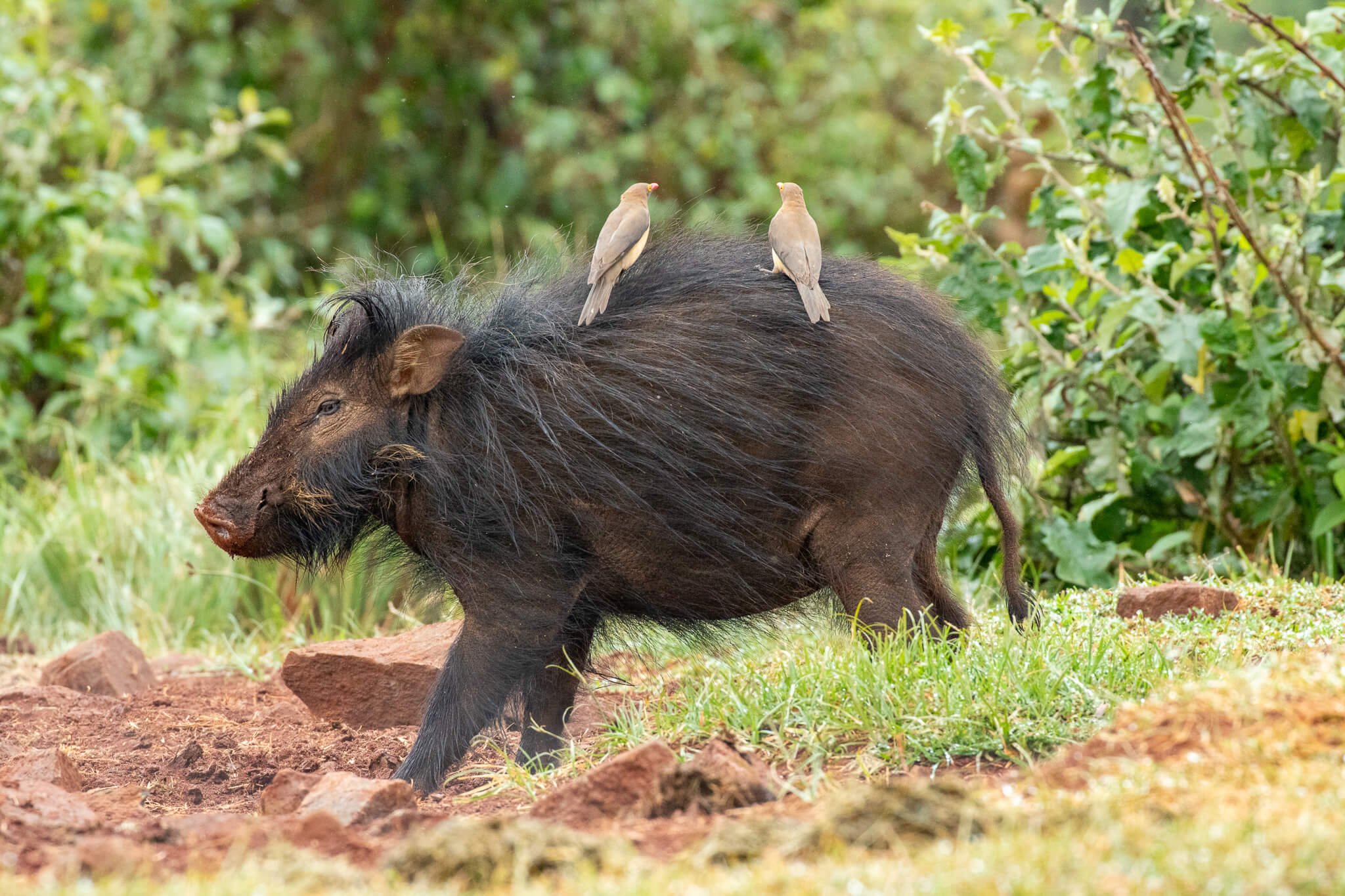
A young giant forest hog in the Aberdares
Waterfalls and Flora That Stops You in Your Tracks
The Aberdares are defined by water. Mountain streams cascade down the hillsides, fed by the high rainfall at altitude. If weather and time allows your day trip includes stopping in at the spectacular Karura Falls where you can choose to hike to the base (depending on the time of year) and soak up it’s magic as it crashes into the ground below. The sound is thunderous. The mist rises and cools you after the exertion of hiking. In the rainy season, the falls are particularly dramatic — crashing down with tremendous force. In drier months, they're more gentle but equally beautiful.
The vegetation of the Aberdares is unlike anywhere else at this latitude too. At altitude, the climate changes enough that plants found on the high mountains of central Africa thrive here. You'll see giant heathers — plants that can grow to 4 meters tall, creating a landscape that looks almost alien. Wild banana plants with their enormous leaves. Strange orchids growing on tree trunks. Moss covering rocks and branches so thickly that the entire forest seems to be wearing a green blanket. Prehistoric-looking tree ferns in shaded areas. Flowering plants you've never seen.
Photography here is exceptional if you love landscape, macro, or botanical images. The colors, textures, and drama of the forest provide endless subjects.

A Typical Aberdares Day Schedule
Early morning: Breakfast at your safari cottage, then depart toward the Aberdares (45 minutes to 1 hour drive depending on route and weather).
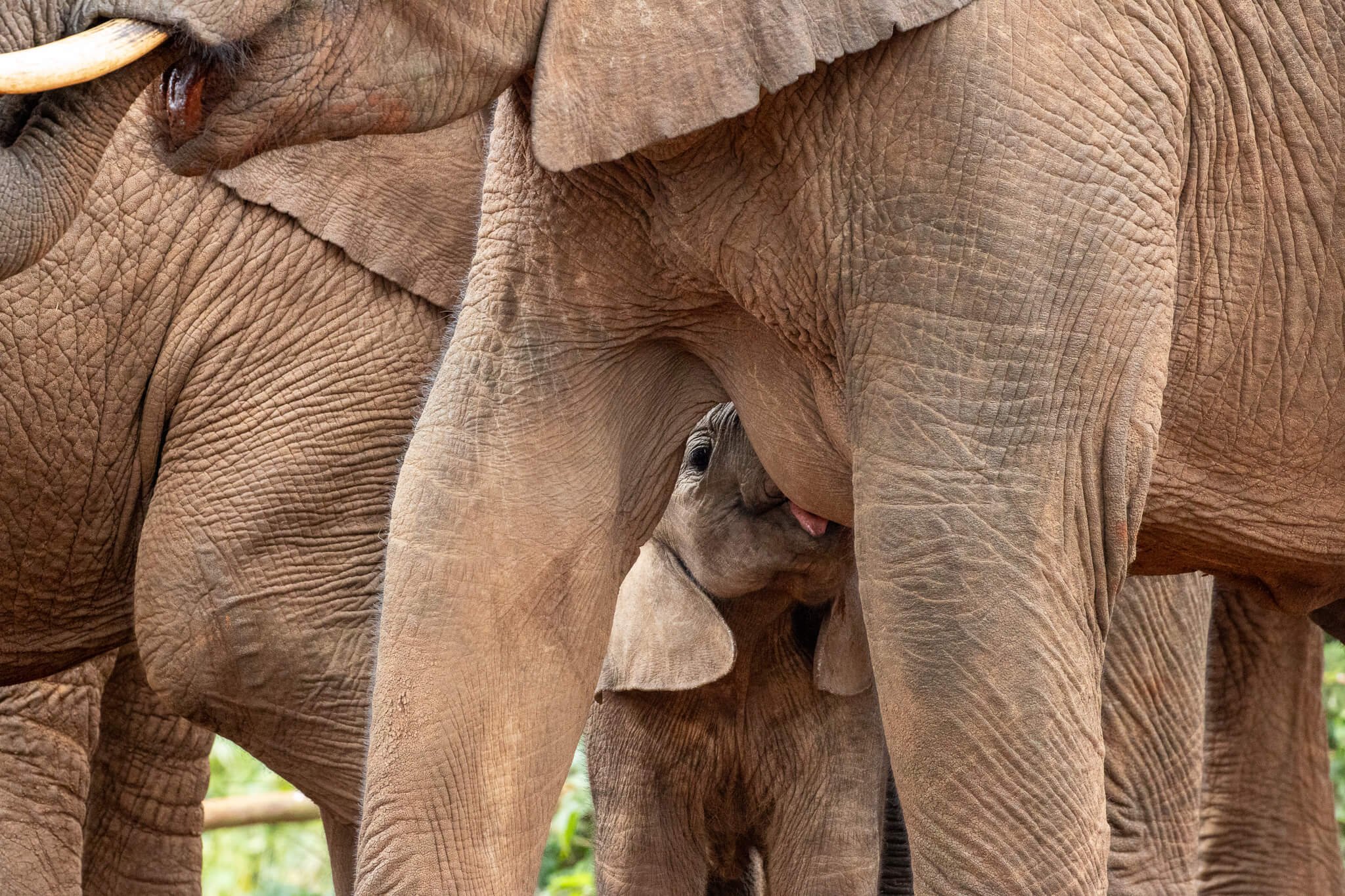
Mid-morning: Ascend through the forest with your vehicle, looking for forest elephants, bushbucks, bongos and more as you go. You’ll ascend to the foothills and explore the open moorland - keep an eye out for buffalo and predatory cats. Should time and weather allow you can hike down to the base of Karura Falls and take in this spectacular 273m waterfall from the bottom of it!
Late morning/midday: Settle in at a picnic spot to enjoy the view and tuck into a well deserved lunch.
Afternoon: Descend toward Ol Pejeta, stopping if wildlife is spotted or to simply absorb the changing light as you descend from cloud forest into open plains.
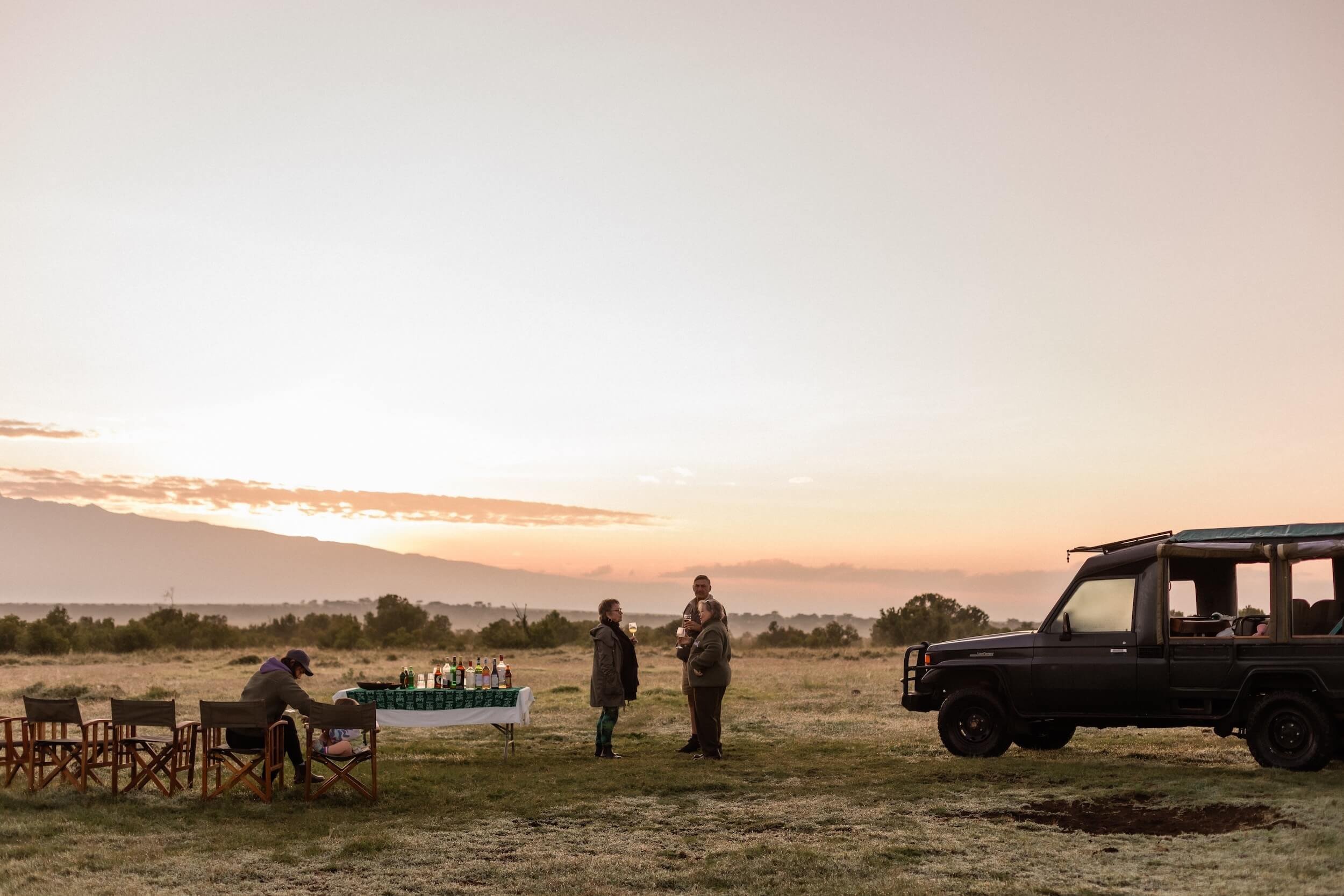
Evening: Arrive back at your cottage by late afternoon. Stop for a sundowner on the plains or head straight back if it’s getting dark to enjoy dinner under the stars.

A cosy evening in after a day of adventures in The Aberdares.
Ready to add an Aberdares day trip?
A day in the Aberdares is a complete change of pace from safari. It’s slower, denser and quieter in a lot of ways too. The focus here isn’t lions and rhinos, it’s unique species, birdlife and brilliant scenery.
If you want to experience the full diversity of Kenya's landscapes during your stay, an Aberdares day trip pairs perfectly with safari drives at Ol Pejeta. You'll leave with memories of both the wildlife of the conservancy and the dramatic beauty of Kenya's mountain forests.
Let us know you'd like to add an Aberdares day trip when you enquire about your stay, and we'll get you sorted!
MORE DAY TRIPS

MT KENYA DAY TRIP
This is what your day could look like exploring Africa’s second highest mountain.
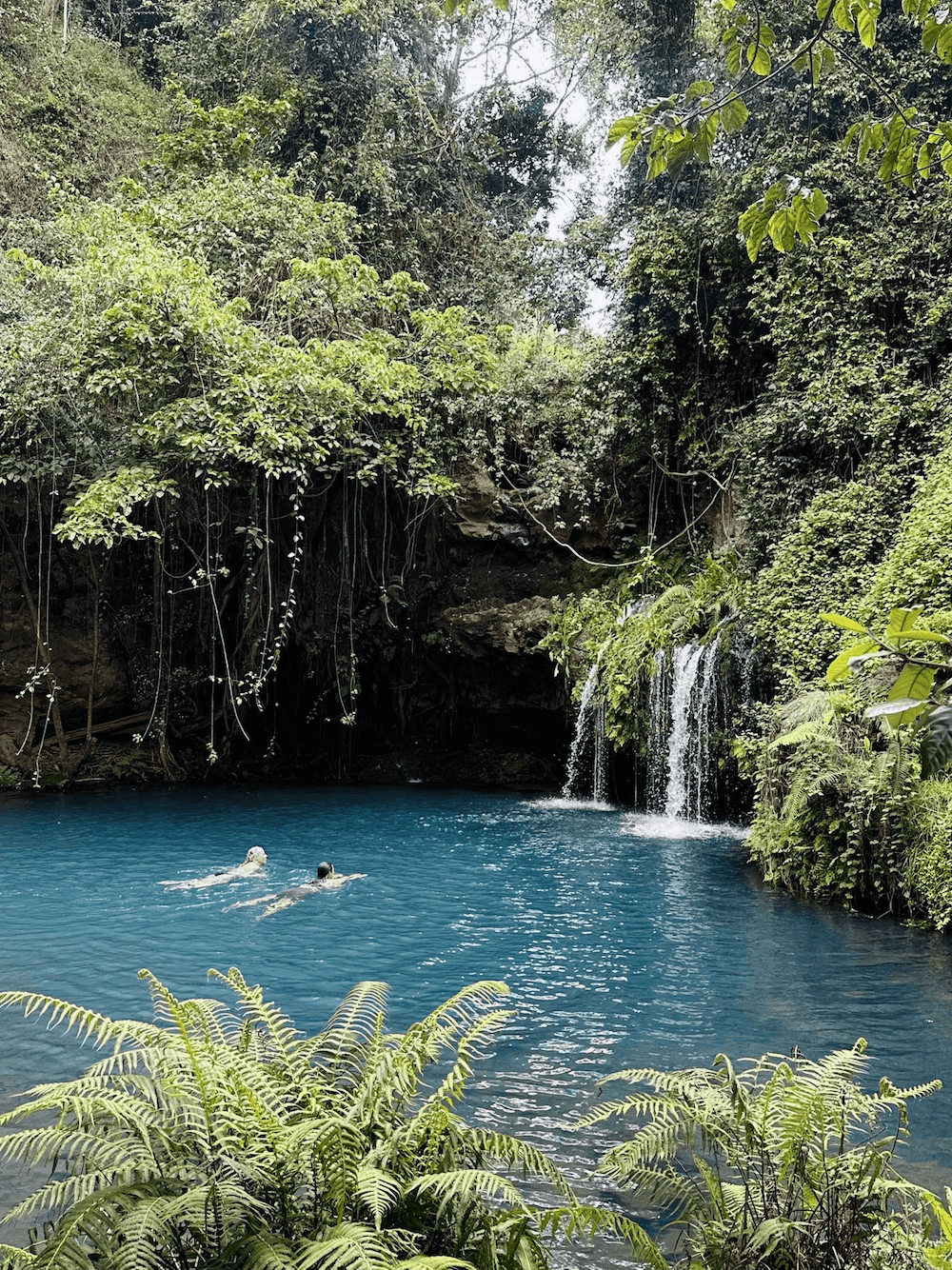
NGARE NDARE DAY TRIP
Hiking, birding and wild swimming in a community owned and run forest reserve.
More from The Ol Pejeta Safari Cottages blog…
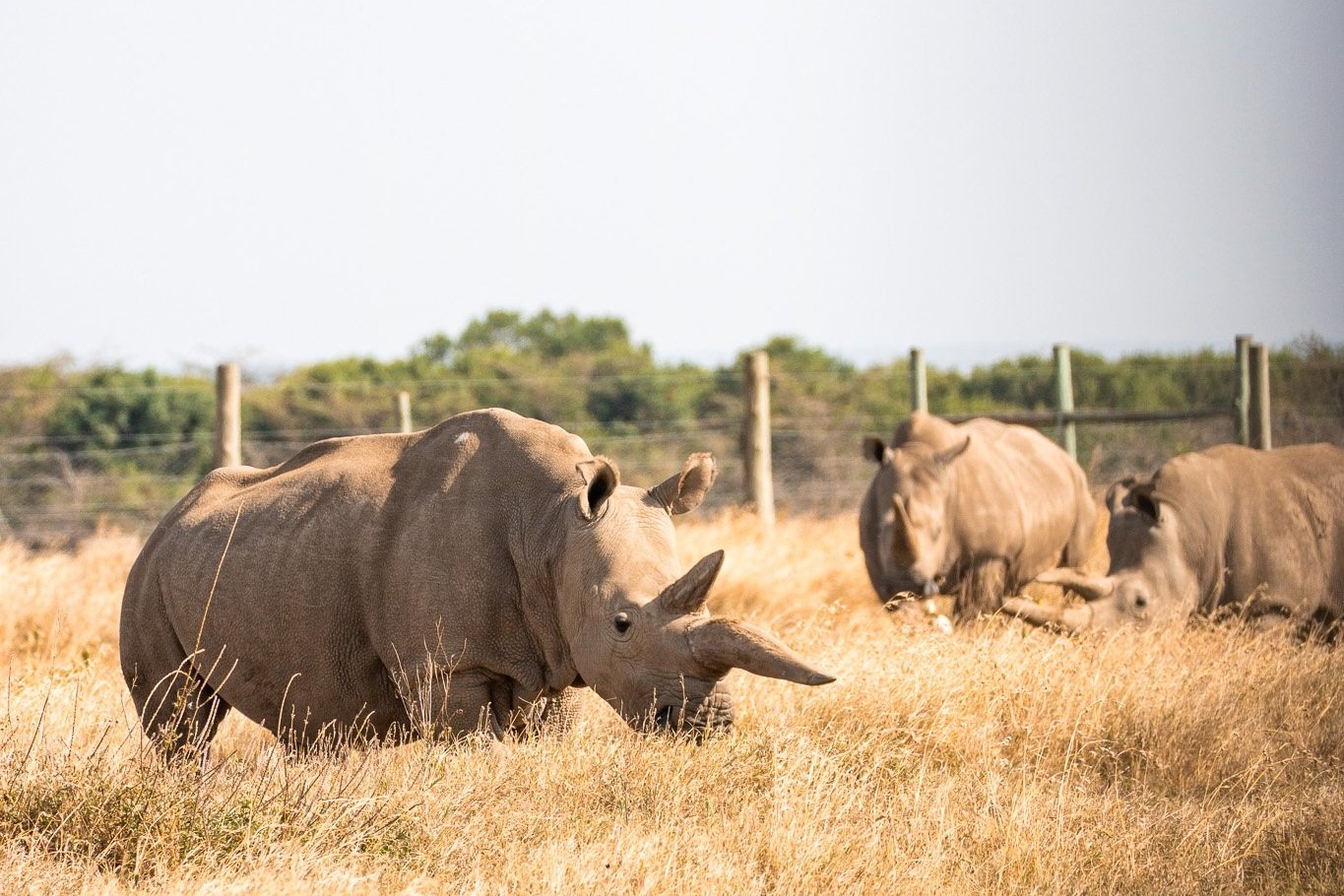





The best Kenya holiday combines safari and beach. After wildlife viewing at Ol Pejeta with The Safari Cottages, decompress on white sand—this is how 64% of Kenya travellers now book. Here's how to do it and our recommendations.