
Kenya Safari in March: The Last of the Dry Season
March in Kenya sits at a crossroads - the dry season is winding down, the landscape is dry and parched, the grass is short, the earth is dusty, water is becoming scarce. But this is exactly why March offers something special… excellent game viewing without peak season prices or crowds.
By late March, scattering rains begin as April approaches, adding drama to the sky.
Here are five of our favourite things about being in Kenya, and especially on Ol Pejeta, in March.
1. The Landscape is Dramatic
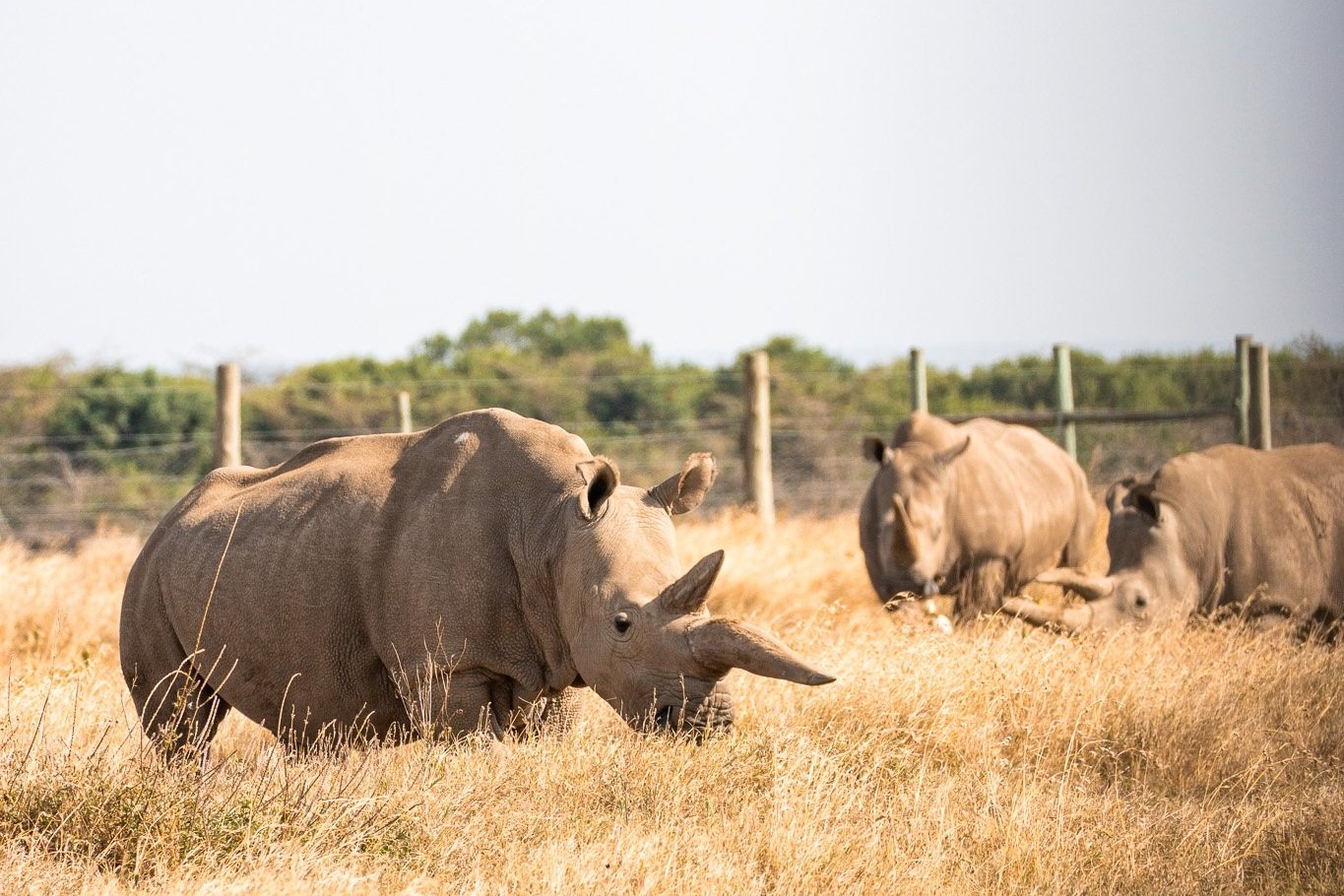
March, especially the first couple of weeks, are usually dry and dusty — the tail end of a long, dry season. The grass is short, trees are bare,water sources are becoming concentrated. This is pure, raw bush. For wildlife photographers, this actually creates opportunity as animals are more visible against sparse vegetation. The light is clean and harsh and the landscape has a stark, dramatic quality.
If you want photos of wildlife against bare earth and sky, March delivers. For everyone else, the parched landscape is honest - this is what the African bush actually looks like during dry season. It's not lush or forgiving. It's tough and beautiful in its austerity.
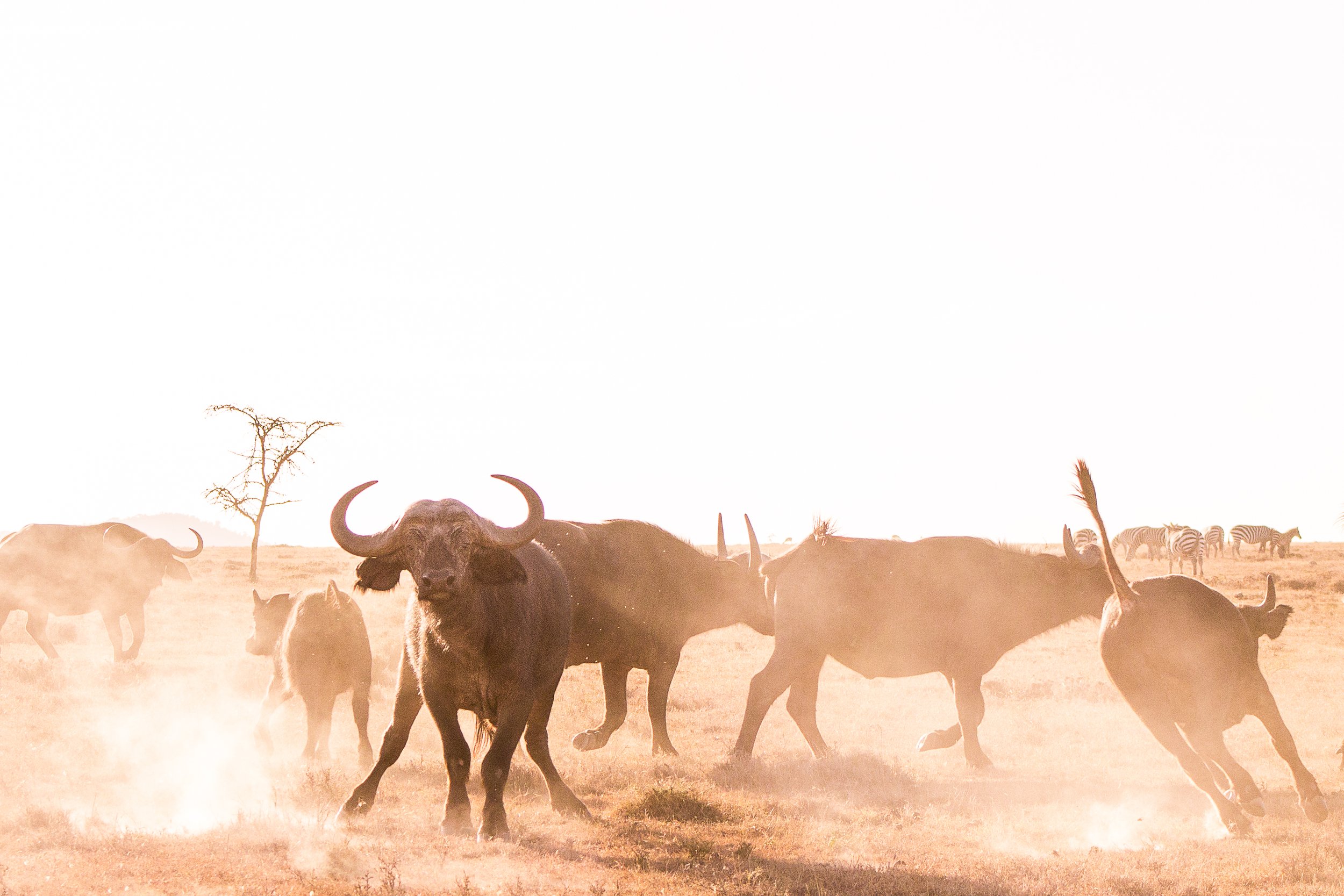
2. Wildlife Visibility is Excellent
Because water is becoming scarce and concentrated, animals know where to find it. Your guides know these water points intimately and game drives are extremely productive as everything is concentrated around remaining water sources.
Predator activity increases too, because prey is forced to water. The drama of survival is visible. But, by late March, as scattering rains begin to fall, animals respond to the promise of water. You might see herds moving, you might witness the transition from dry season to rainy season in real time. This is peak game viewing conditions — animals visible, concentrated, and active.
3. Babies, Babies, Babies
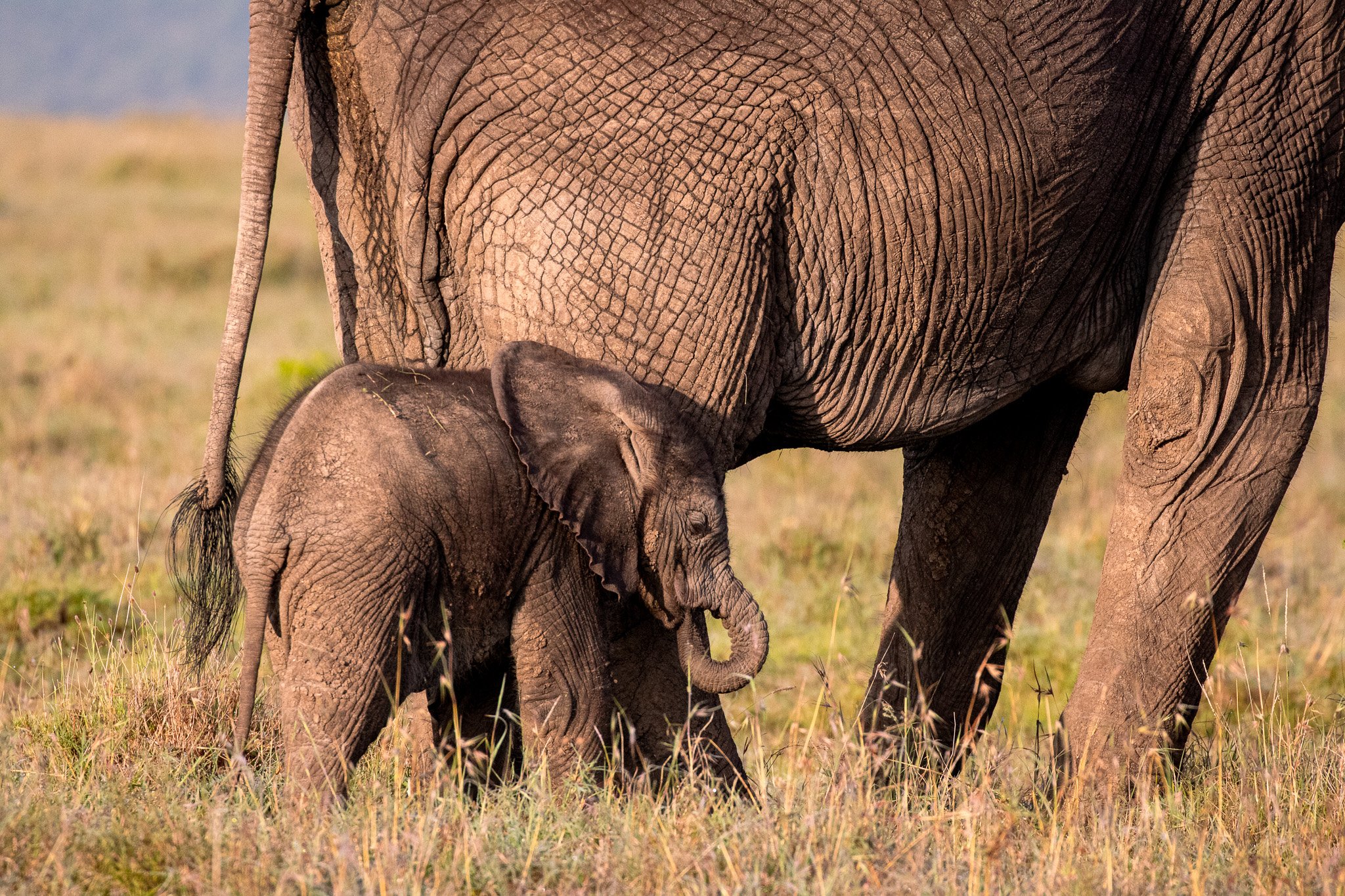
Migrating animals like Zebra and Wildebeest tend to birth their young in February and March so that, by the time July rolls around, they are strong enough to get up and get moving. Whilst Ol Pejeta doesn’t host migrations, nature’s pattern continues and we see baby zebra’s and gazelles hopping across the plains on a daily basis.
4. Fewer Tourists on the Conservancy
March is an almost entirely forgotten month and, infact, we don’t host too many international visitors at this time of year. Most tourists book peak season (June–August) or through the December holidays. But March falls in a gap that the locals know has got so much to offer.
They know they won’t be fighting for sightings with other vehicles so they can take their time and they often stay longer and take day trips up to Ngare Ndare or the Aberdares which are incredible to see in the dry season and easy to navigate. They also know they will get more personal attention, the kind that peak season simply doesn't offer.
The conservancy in March feels dramatic, full of possibility yet manageable and intimate.
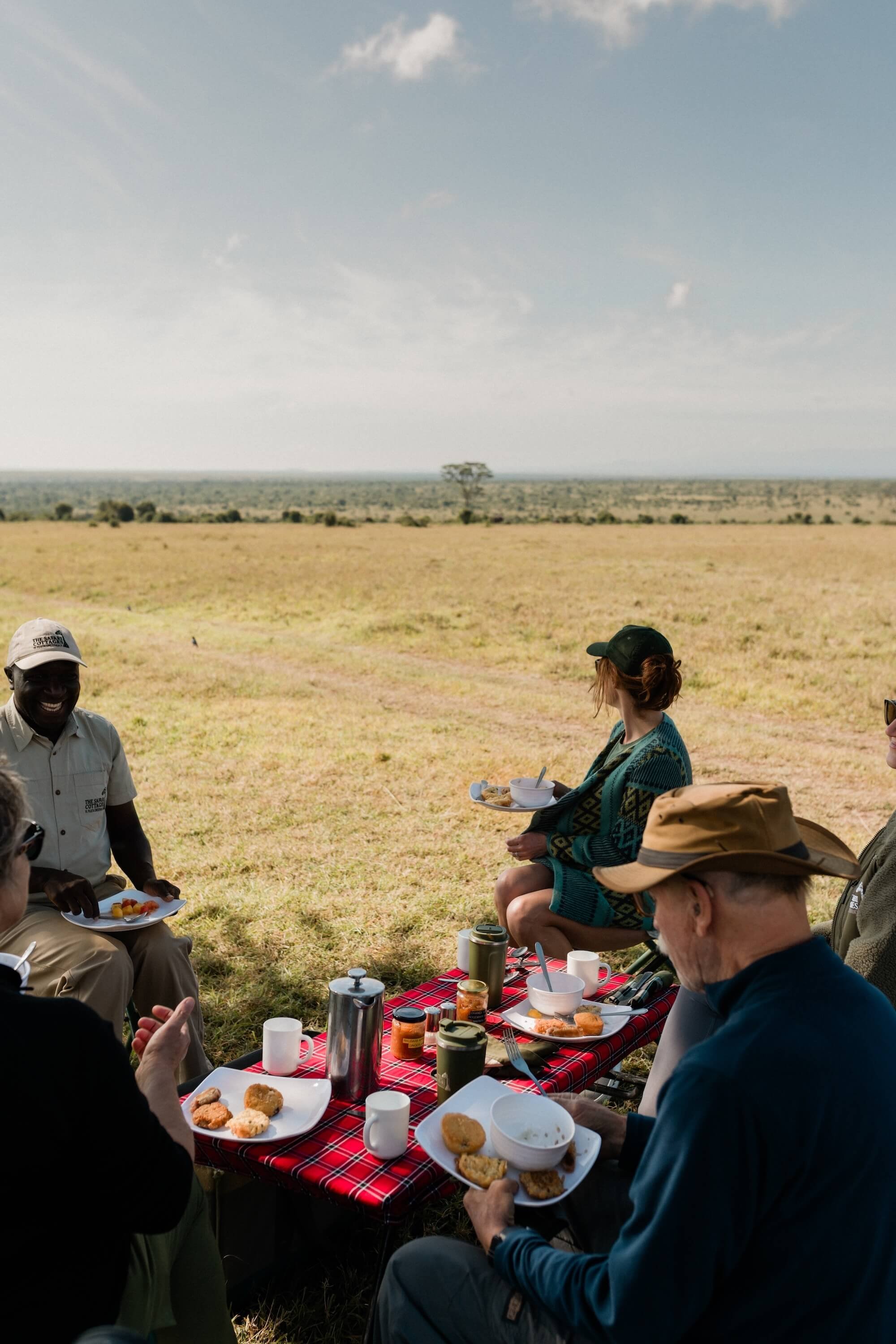
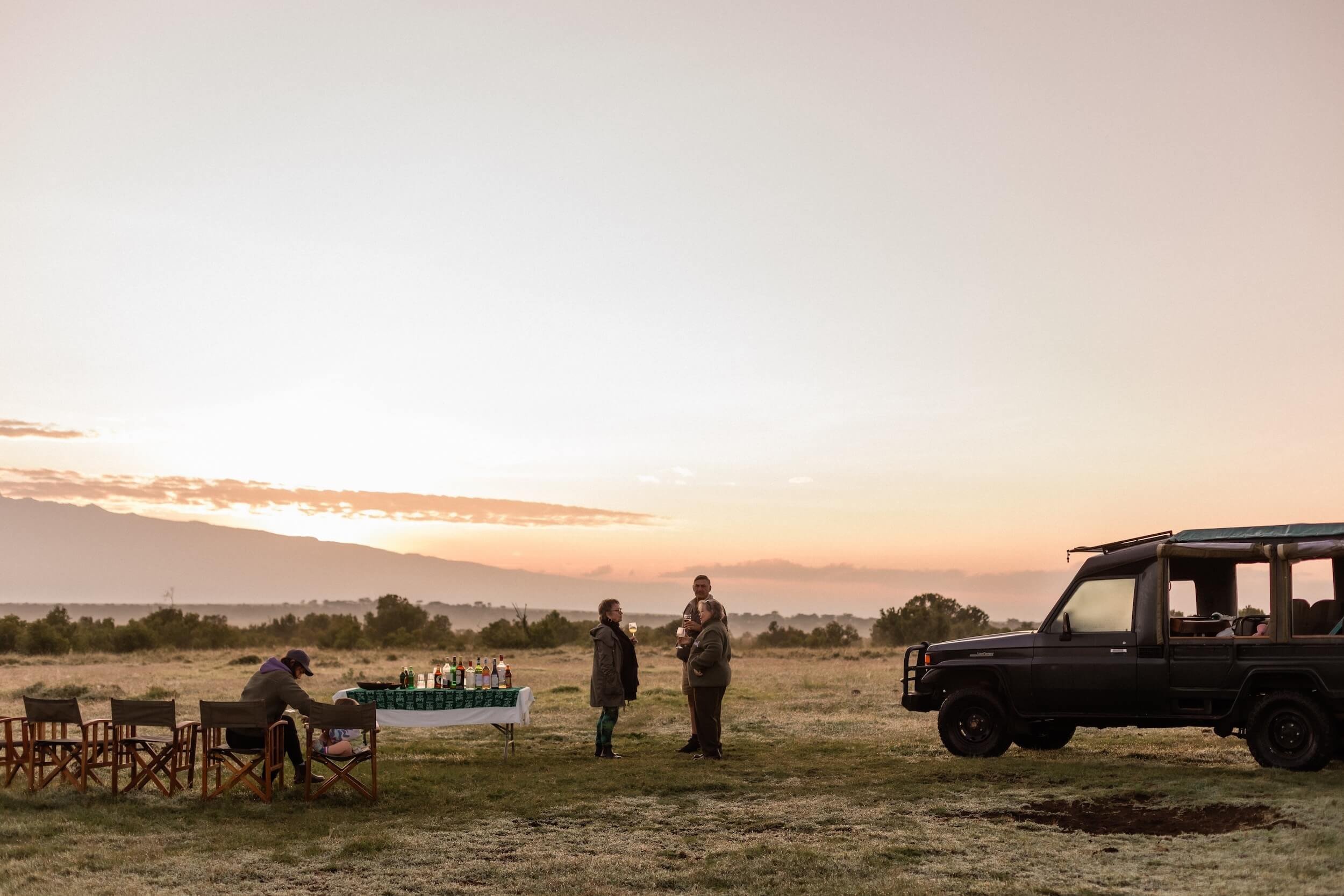
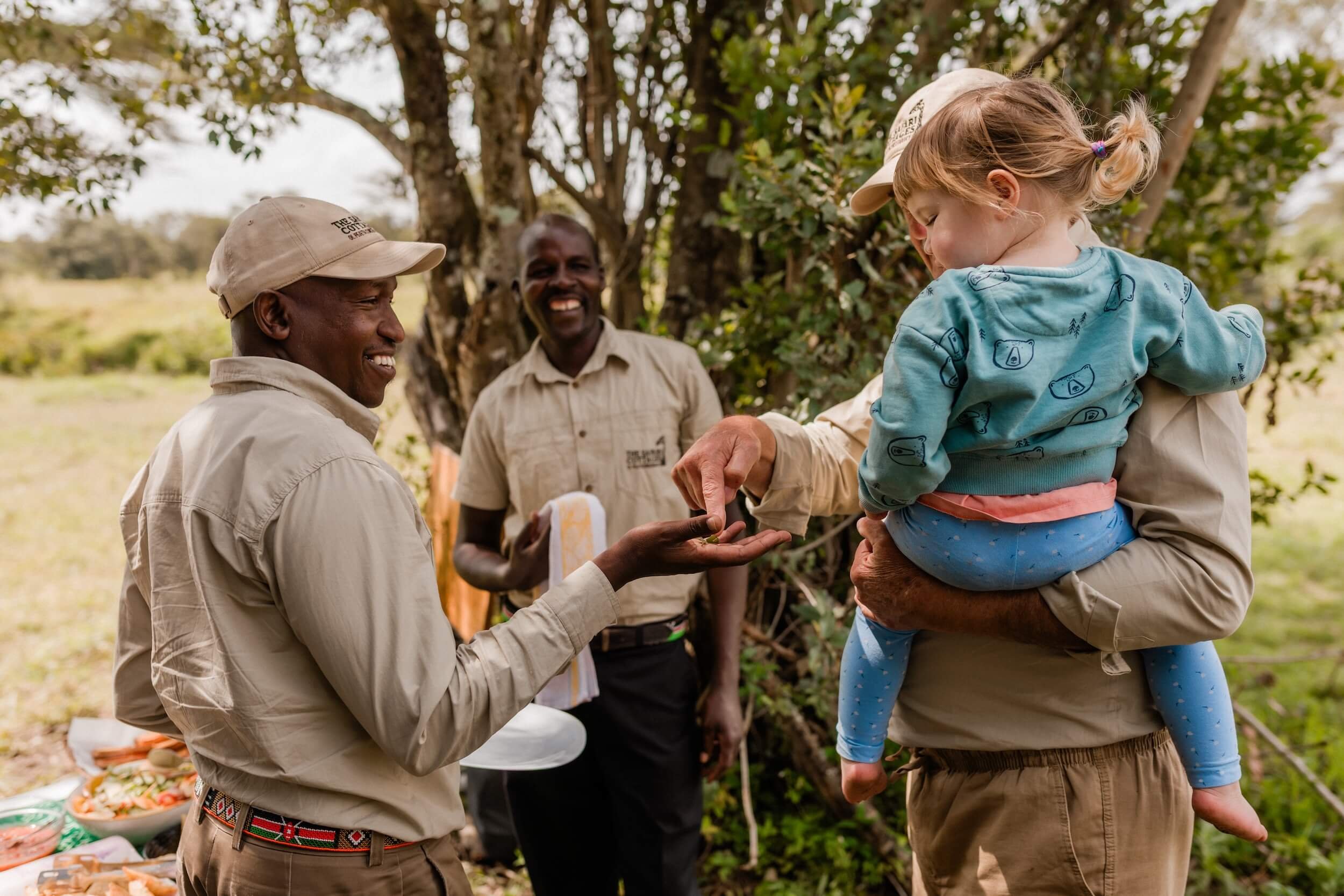
A picnic breakfast in the bush with The Safari Cottages
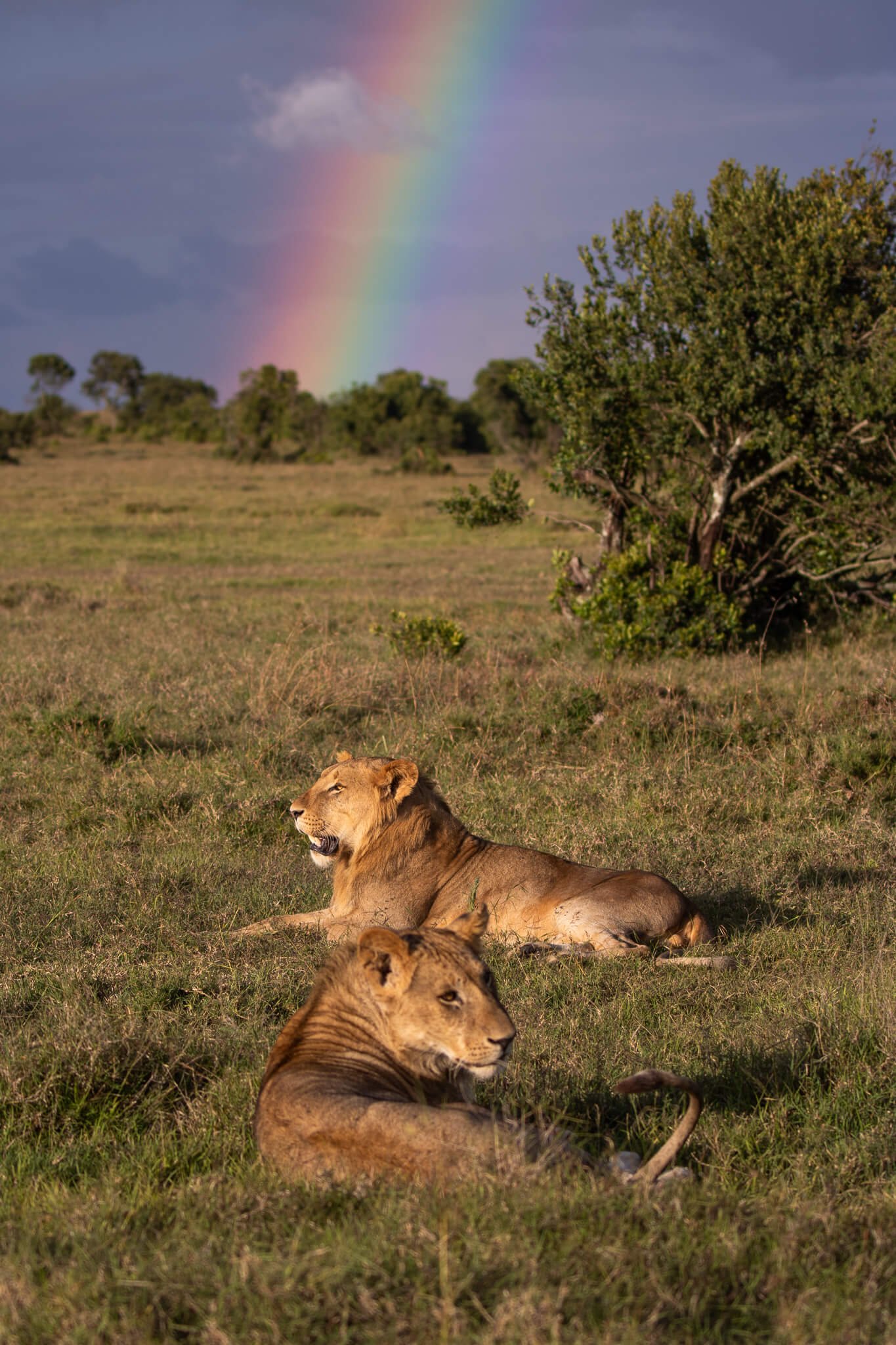
Lions under the rainbow: the upside of a rainy season safari
5. Weather: Dry with Late-Month Drama
The transition between seasons is incredible to witness. Early March is hot and dry with generally clear skies and warm days (25–28°C). Mornings are manageably cool (12–15°C) and humidity is low. But the smell of the rain on Kenya’s thirsty land arrives (often mid to late March) and the response is almost immediate. Kenya bursts to life! Scattered showers and the occasional dramatic thunderstorm arrive. It’s nothing like the sustained rains of April–May though, more like a the first call to the country to look up, open their arms and ready for the green season.
Pack sun protection and layers. By late March, bring a light rain jacket just in case. But don’t get too hung up on a little rainfall - Ol Pejeta has all weather roads and we’re out and about enjoying this incredible wilderness 365 days of the year.
A Typical March Day
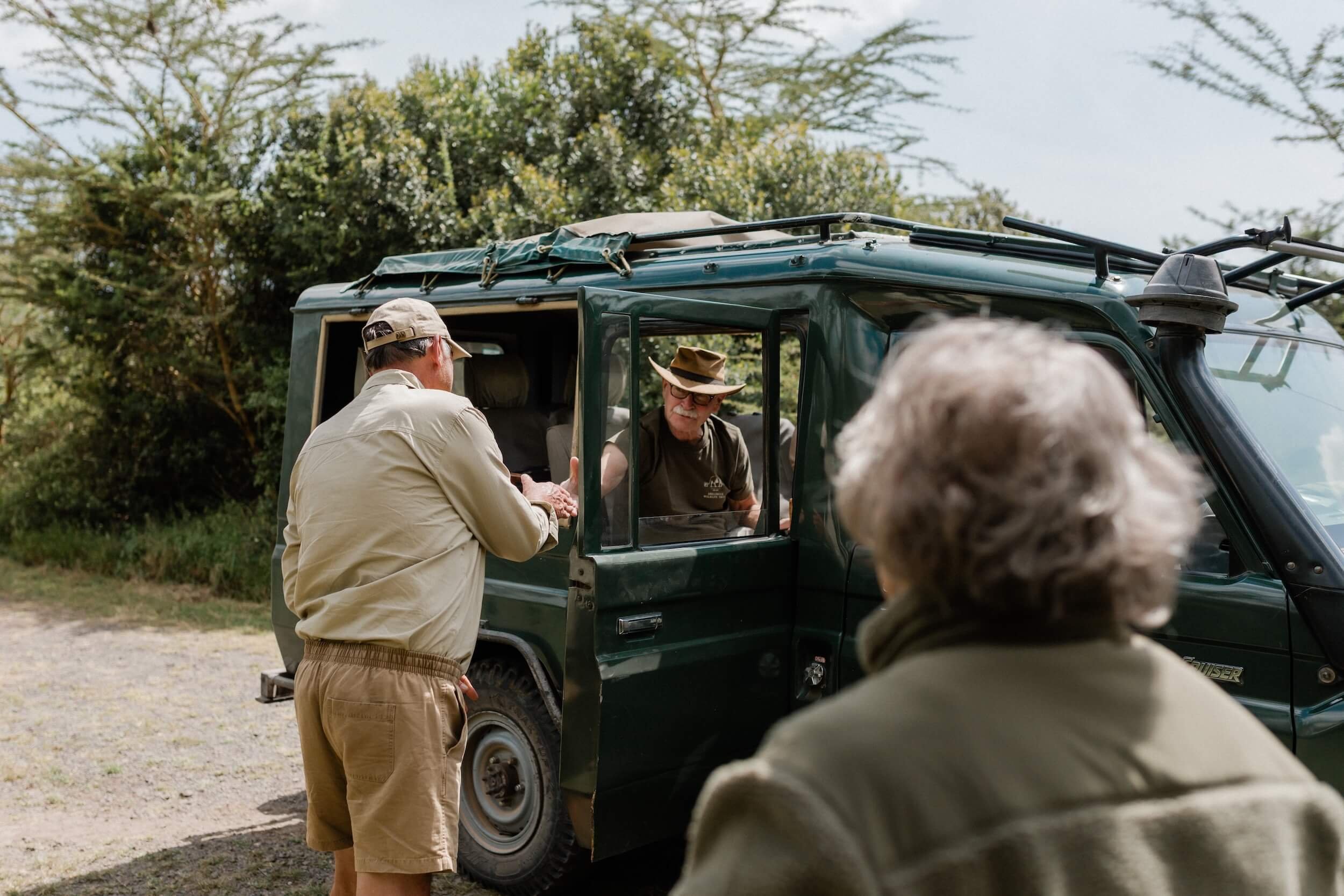
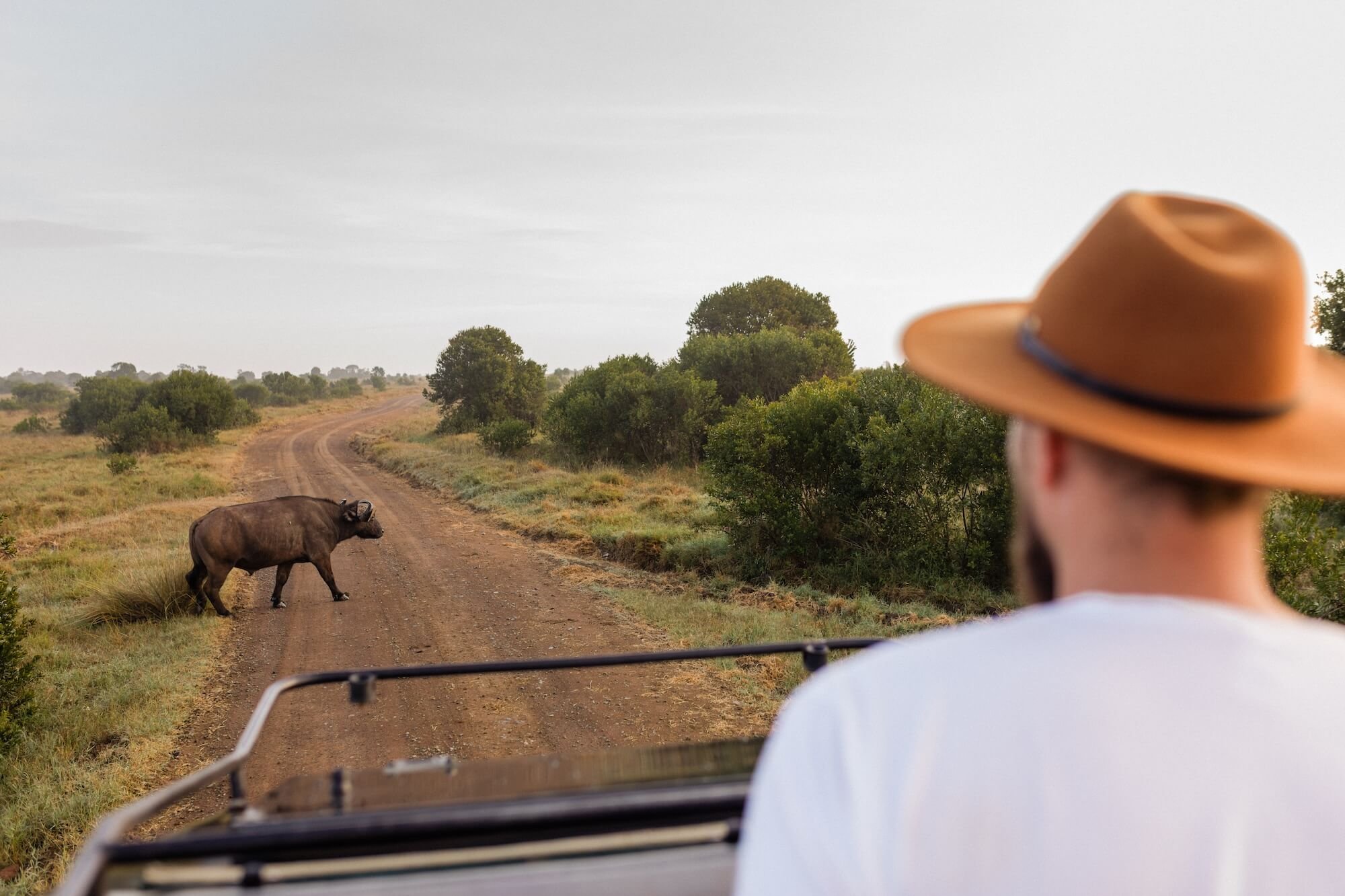
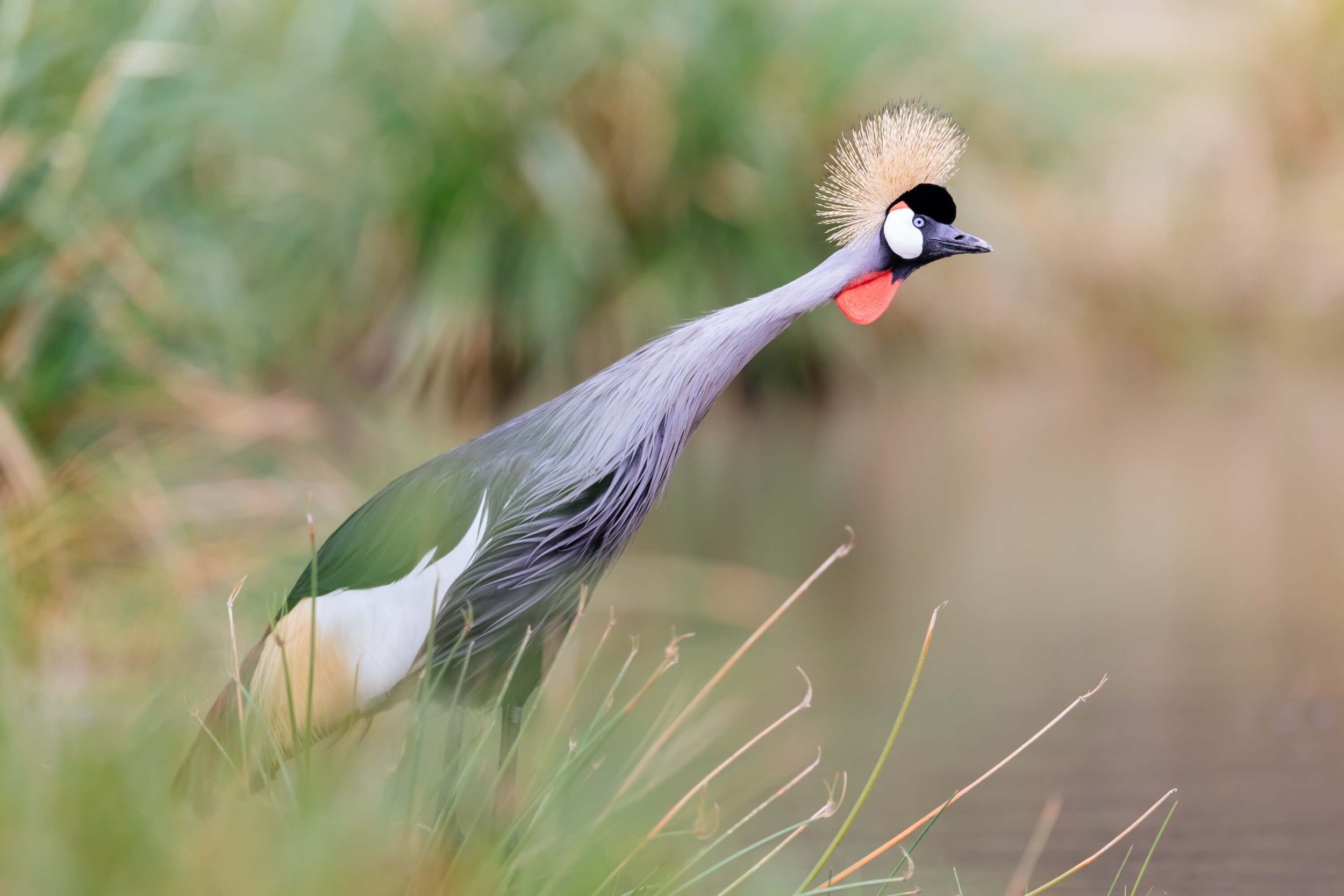
You wake before dawn when your house manager delivers freshly brewed tea and coffee for you to enjoy from your private verandah as the suns rises. Game drives start early when it's cool, so you’ll head off soon after. You're driving across parched, dusty landscape and your guide likely navigates to water sources where animals concentrate. You see predators, herbivores, birds — here’s more of what you can expect to see on Ol Pejeta. You’ll stop somewhere to enjoy a picnic breakfast in the bush. You’ll slow down and soak it all in.
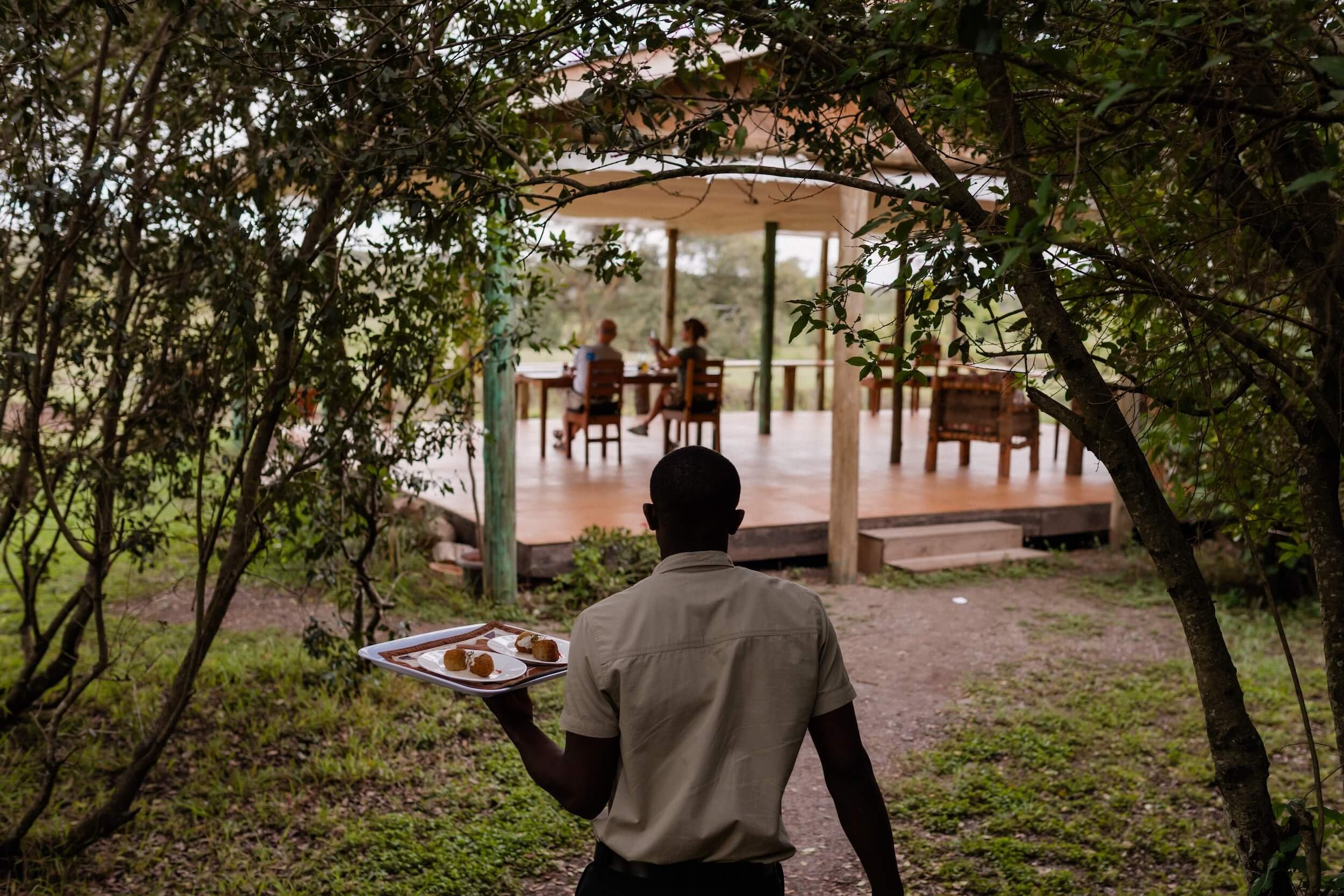
Midday you return for lunch at your safari cottage. Afternoon rest is important in the heat. By 4:00 PM, you might do another game drive and, if the rain is around, you may even be blessed with a rainbow. You’ll enjoy a sundowner on the plains, or return home to cosy up by the fire with a drink, then you’ll settle in for dinner and a night listening to the sounds of the wild, snuggled up in your bed.
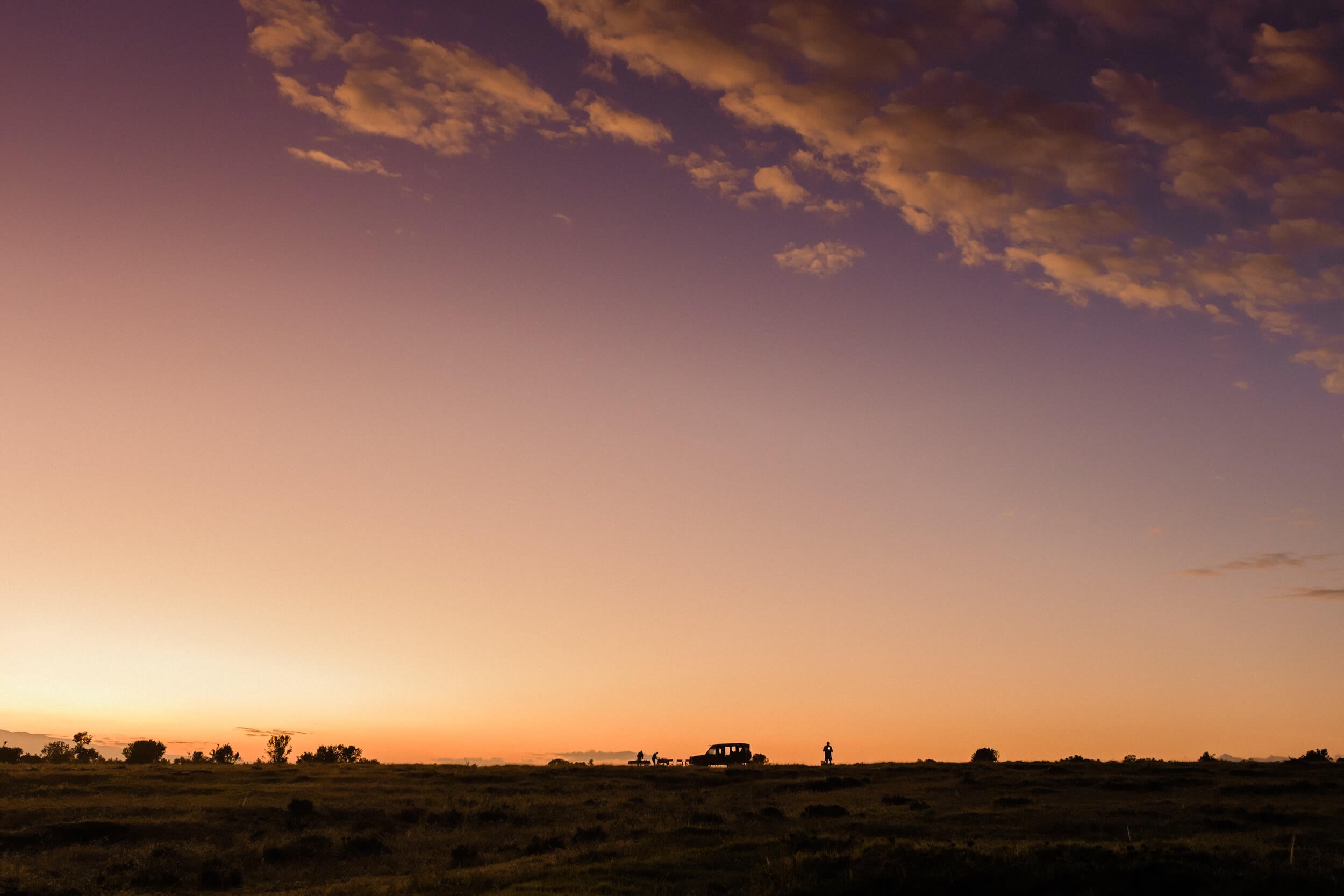
Sundowners: watching the sunset on Ol Pejeta with The Safari Cottages
March Safari Summary
March is for wildlife enthusiasts who want excellent game viewing without crowds or peak-season prices.
The landscape is often parched and dramatic making for unique photographic opportunities.
Water concentration may also mean more reliable sightings especially in drier areas of the country.
Expect a normally dry start to the month with light rainfall arriving anytime from mid-March onwards.

Keep Reading
Recent articles from The Safari Cottages blog…
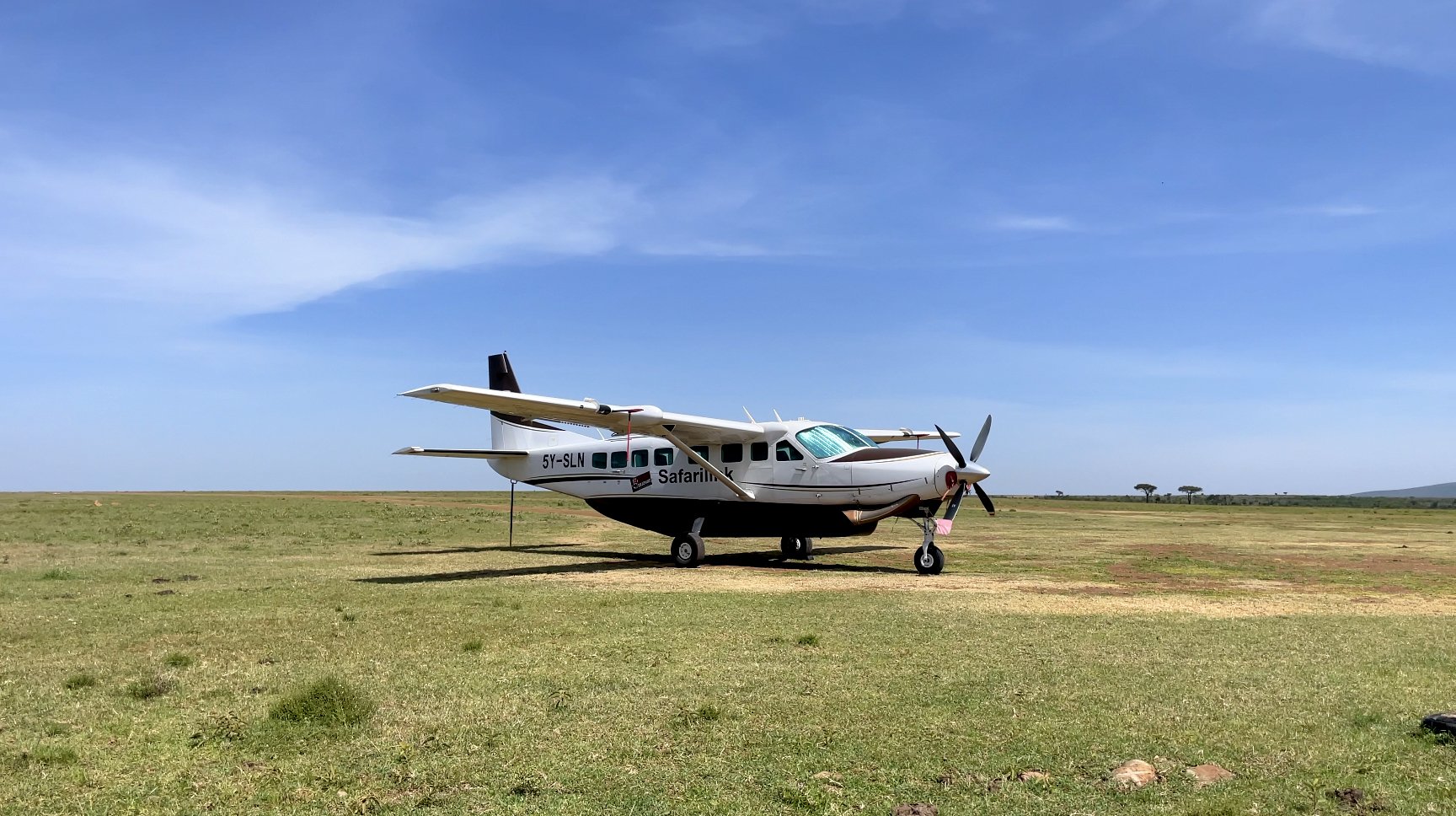





The best Kenya holiday combines safari and beach. After wildlife viewing at Ol Pejeta with The Safari Cottages, decompress on white sand—this is how 64% of Kenya travellers now book. Here's how to do it and our recommendations.