
Travelling to Kenya in November: Green Season, Migratory Birds & Excellent Value
November is green season and it really is lushly green. The short rains that began in late October are falling in earnest now and the landscape is at its most dramatic. Rivers flow, vegetation is thick and alive and this is exactly why many experienced safari-goers book November over the more popular months of July and August.
November doesn't appear on most safari itineraries. Most travel guides push June–August or December, but you’ll find that November, much like May, sits beautifully in between, which is precisely what makes it such a wonderful time of year, especially on Ol Pejeta. You get a completely different safari experience: lush, dramatic, wildlife-rich, with migratory birds arriving from across Africa and Europe.
Here's what you can expect from your November safari.
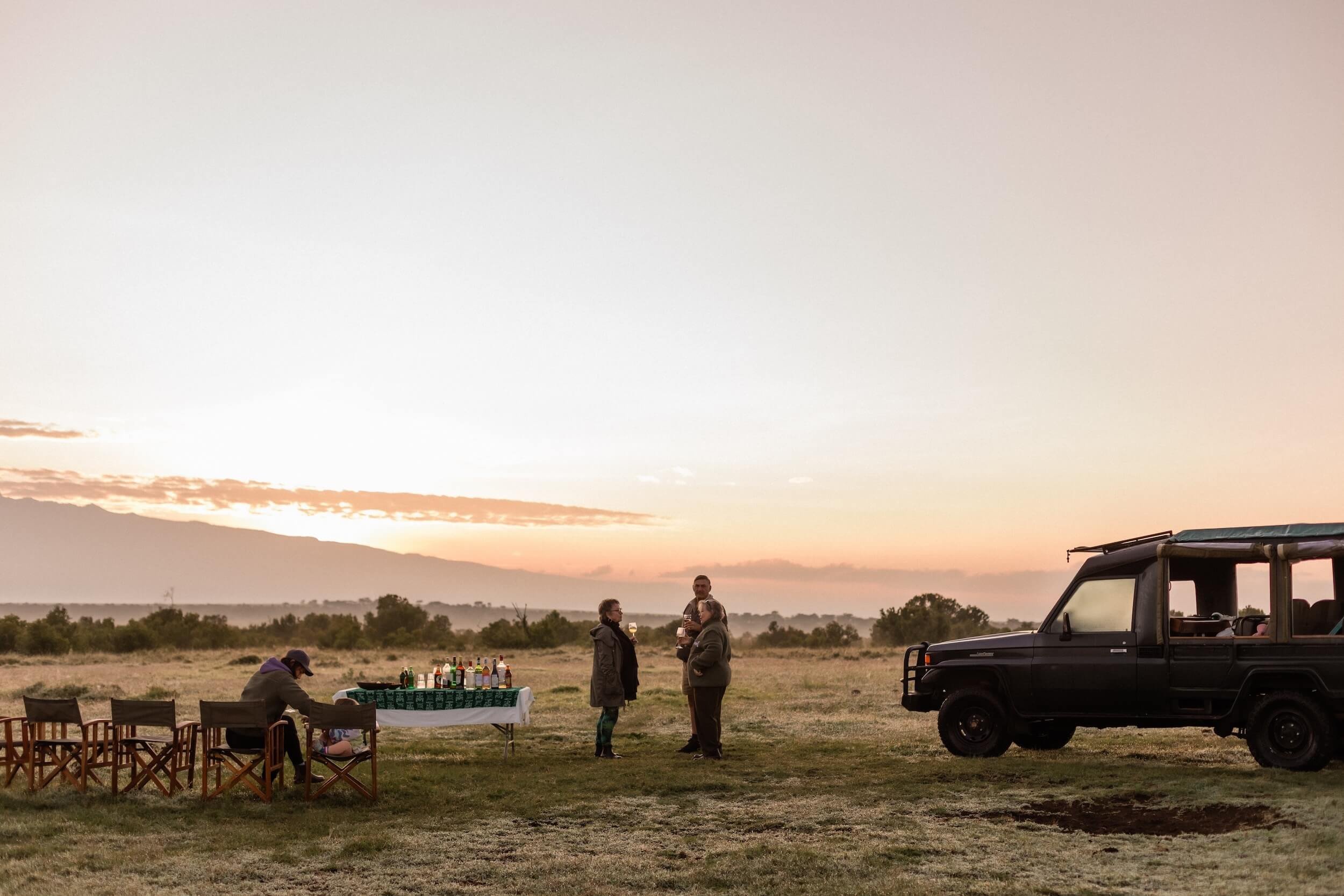
Sundowers on Ol Pejeta Conservancy
November is Green Season, that means…
The short rains often begin in late October and continue into November. Depending on weather patterns, you might experience afternoon showers most days, or occasional scattered rainfall in the evenings. November is a transition season, offering the bush some light relief, with all the drama and beauty that entails, before another dry spell. It brings about an entirely green landscape, flowing rivers, thick vegetation, and the energy of an ecosystem at full capacity.
1) THE LANDSCAPE IS DRAMATICALLY GREEN AND PHOTOGRAPHICALLY STUNNING
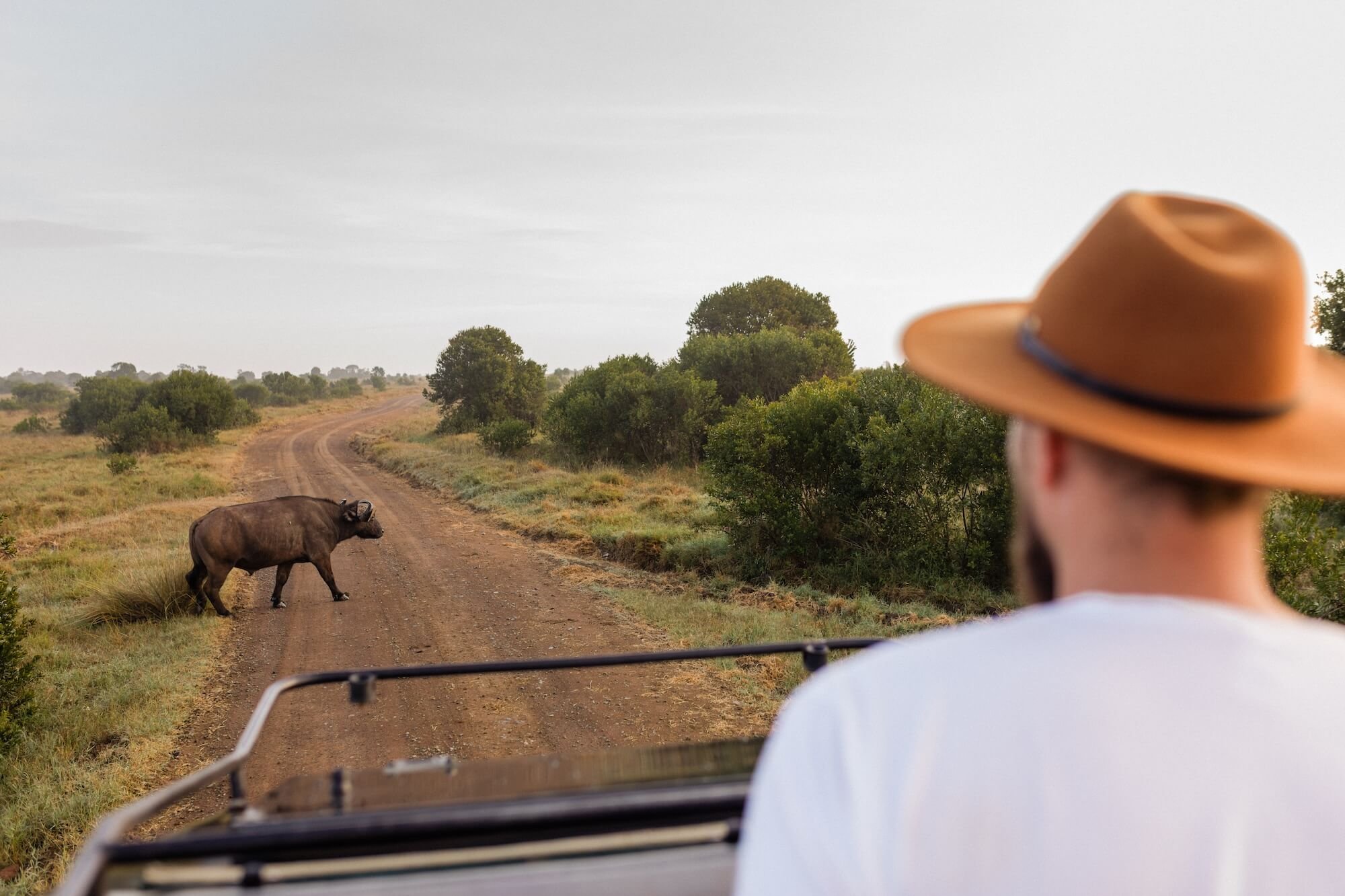
Yes, there's rain. Yes, you might experience an afternoon shower on a game drive. But November's green is worth the mud on your boots! Trees are in full leaf, grass is fresh, rivers that are trickle in August are flowing strongly. The entire ecosystem is visibly thriving.
For photographers, the light is soft from cloud cover, the colours are saturated and rich, and the landscape has a primordial quality you don't get in the dusty months. Those dramatic cloud formations build in the afternoons and when the sun breaks through green foliage, the contrast is extraordinary.
The vegetation is thick enough that wildlife viewing is less predictable than dry season — you won't see animals from five kilometers away — but it also means the landscape is really wild and wholly different from what most safari visitors experience.
2) THOUSANDS OF MIGRATORY BIRDS ARE ARRIVING
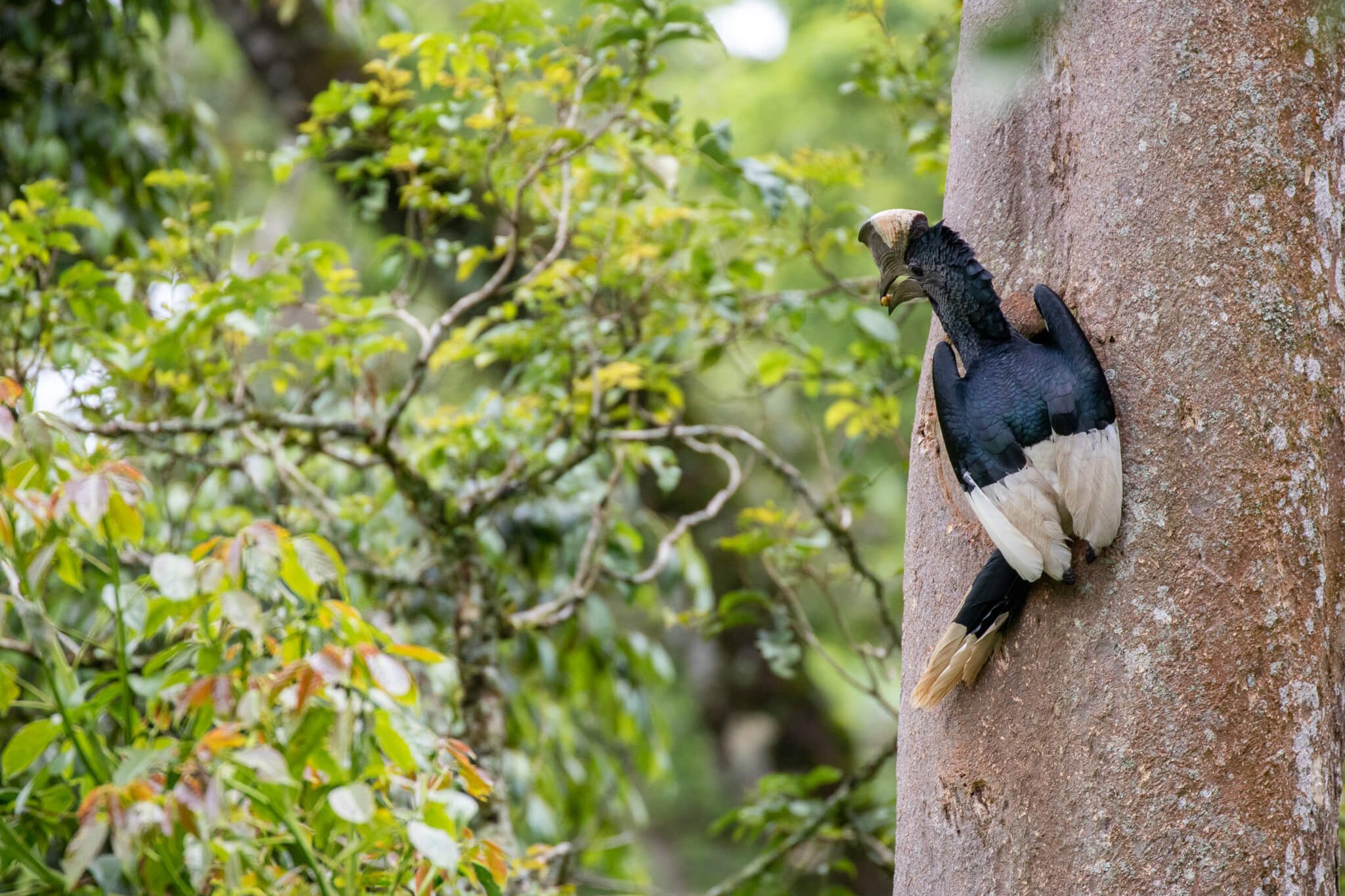
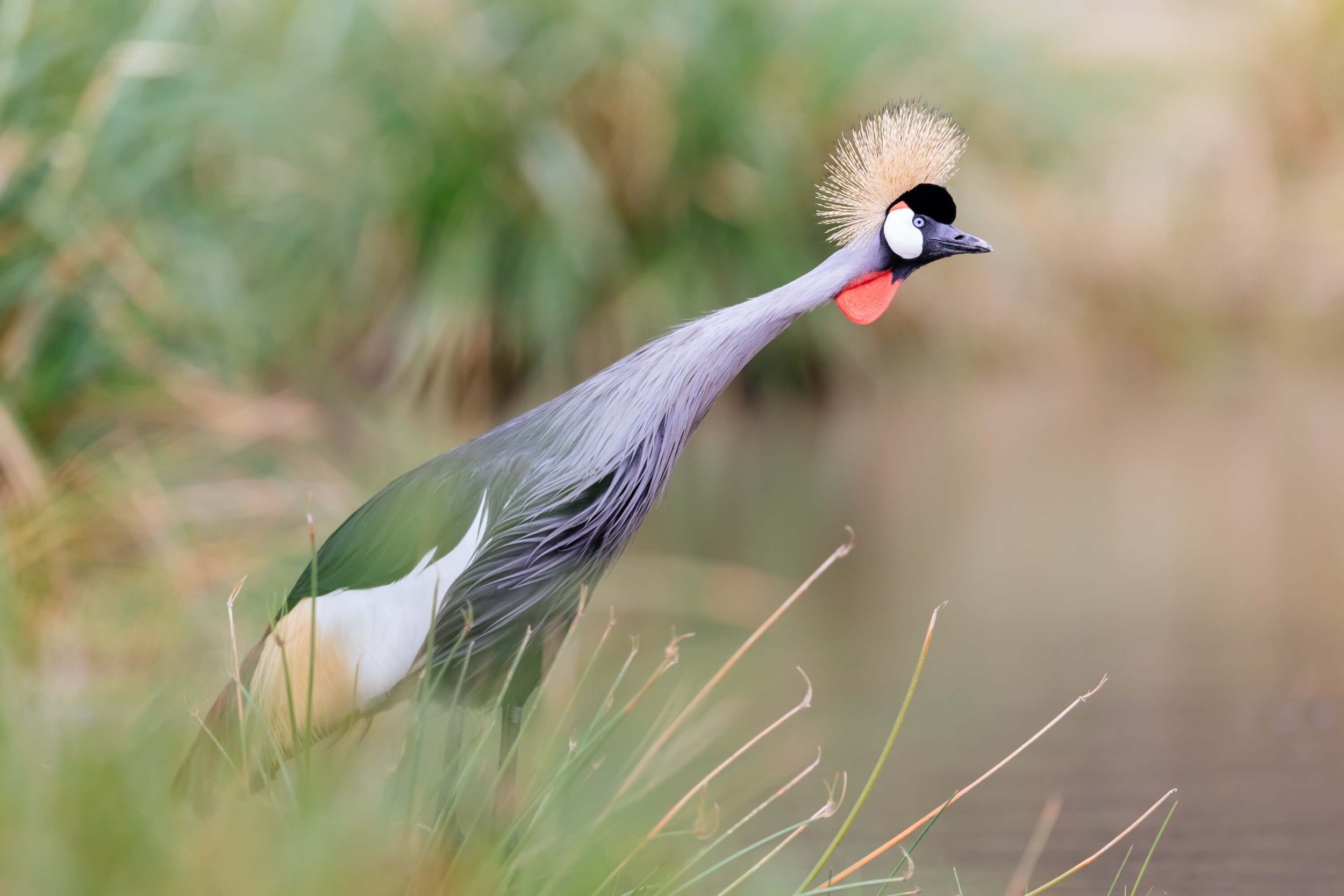
This is the birding month that surprises guests. The Palearctic winter has begun, which means migratory bird species from Europe, North Africa, and Central Asia are arriving in Kenya for the season. Species you've never heard of. Species with colors you didn't know birds could be.
Ol Pejeta's already impressive 400+ resident bird species suddenly becomes far more diverse. Your guide will point out European species arriving for the first time of the season. The bird activity too is at peak intensity, which means you’re waking up to a stunning bush choir every day.
If birdwatching matters to you at all, November is exceptional.
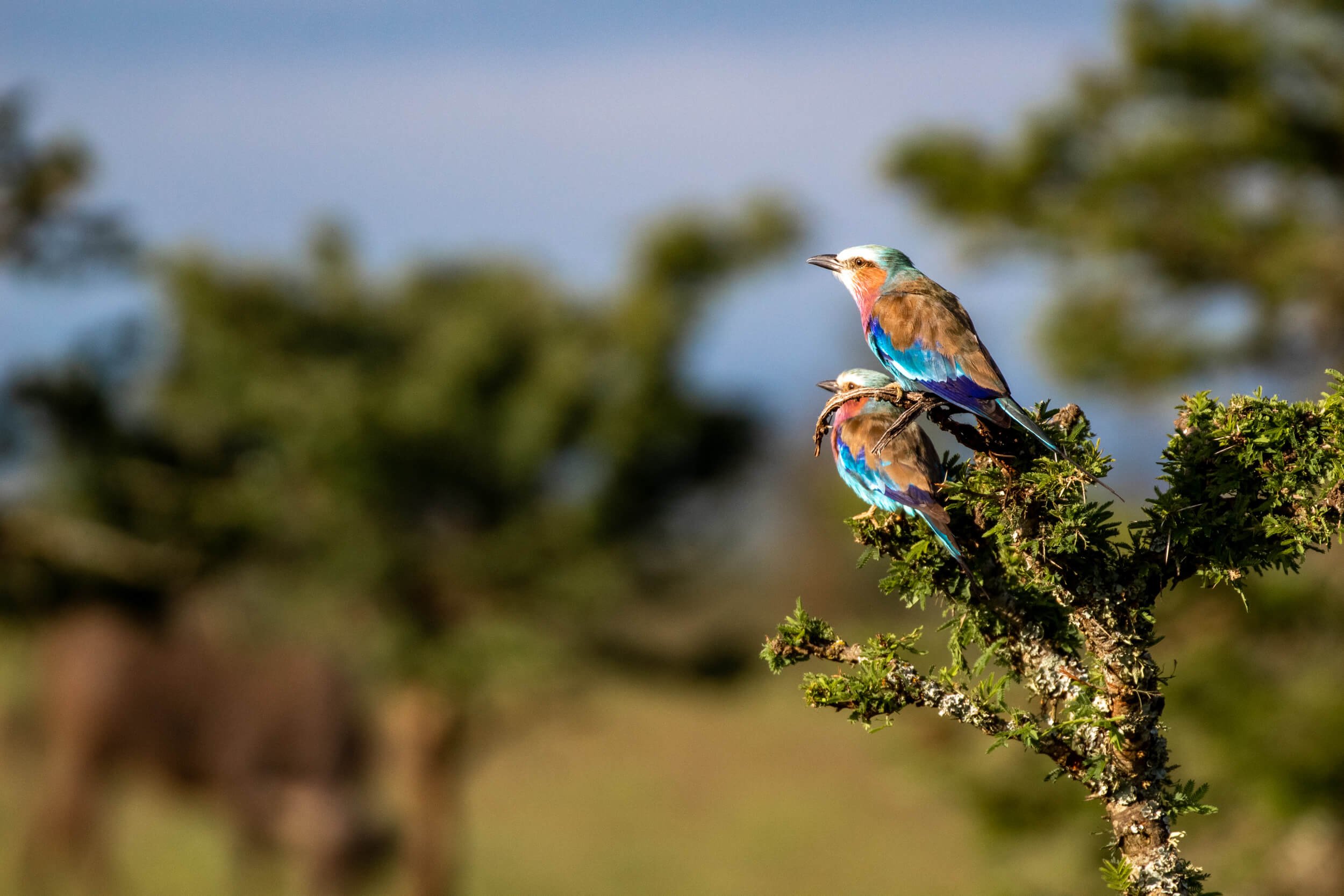
A pair of Lilac Breasted Rollers - resident year round on Ol Pejeta
Is November a Good Time to Visit Kenya for Wildlife?
It depends what you're prioritizing and where you’re going. If you want absolute guaranteed visibility of large predators without rain, June–August is better. If you want lush landscapes and game viewing without crowds then November is exceptional. On Ol Pejeta though, the wildlife is excellent all-year round and roads are all weather, so we stay open and the safari experience is still brilliant. Here's what else you might encounter.
3) WILDLIFE IS ACTIVE AND ABUNDANT
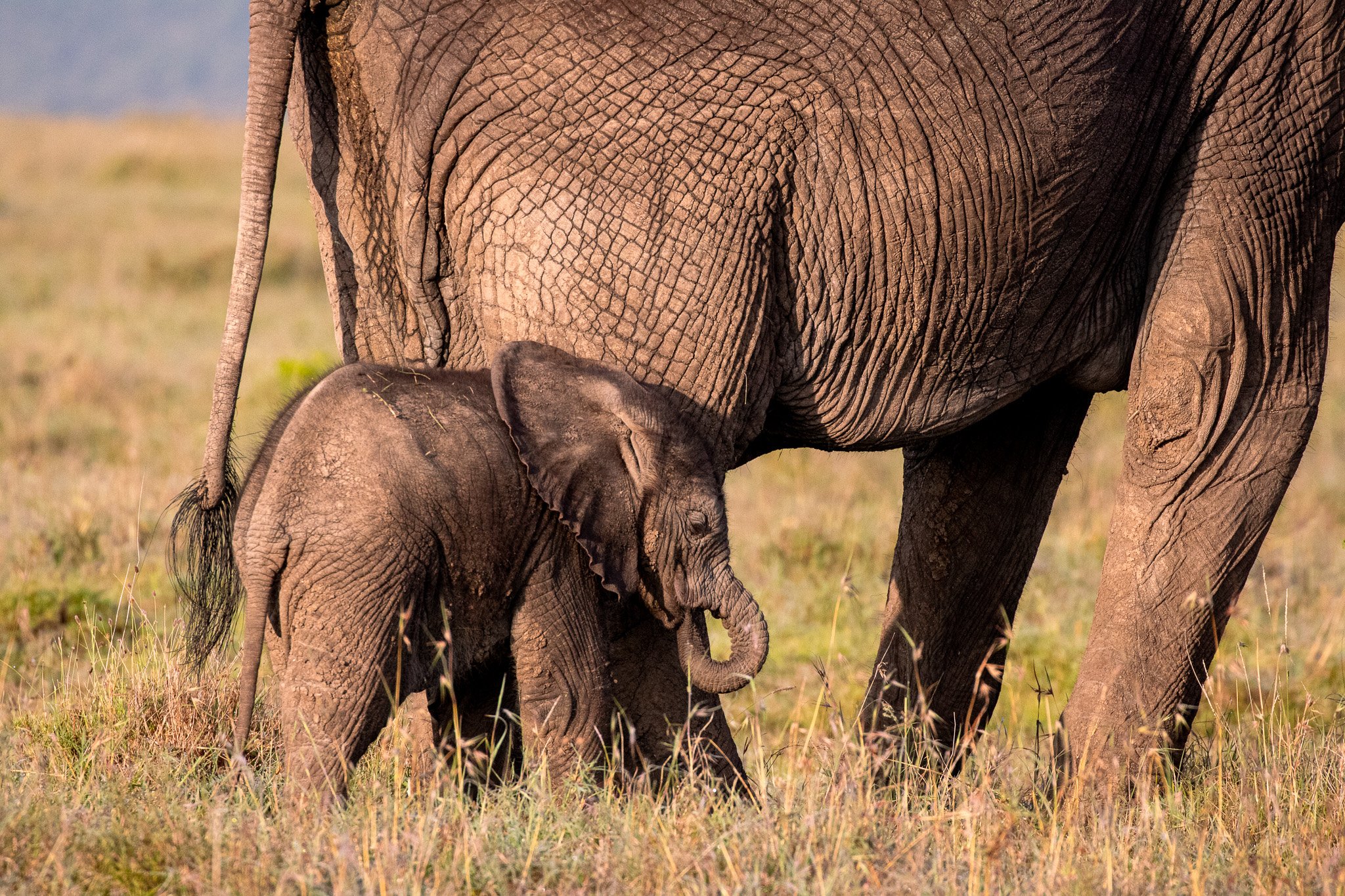
Green season concentrates wildlife differently than dry season. With water abundant across the landscape, animals aren't forced to specific points. They range widely, feeding on fresh vegetation, moving between different areas.
This means your sightings are less predictable than peak dry season; you can’t just pop to the waterhole and stumble across cheetah or an elephant herd. But there’s something special about seeing animals in less predictable environments, in working a little harder to watch a lion kill.
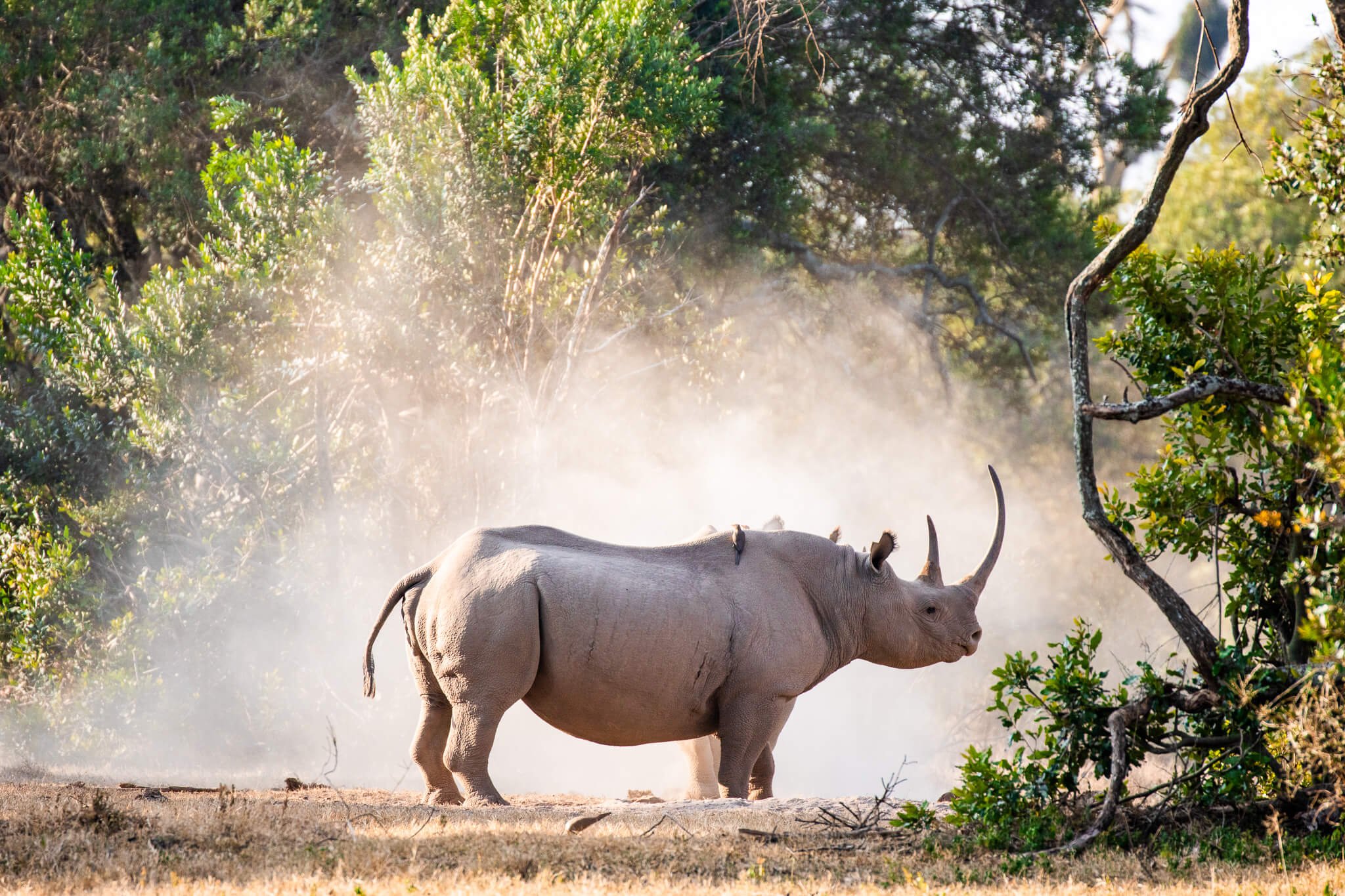
On Ol Pejeta, the black rhino population (over 165 — the largest in East Africa) is spread across the conservancy, lions move through thick bush whilst buffalo herds and other plains game often congregate en masse on the open plains where fresh grass has become abundant. It’s a varied and flourishing ecosystem.
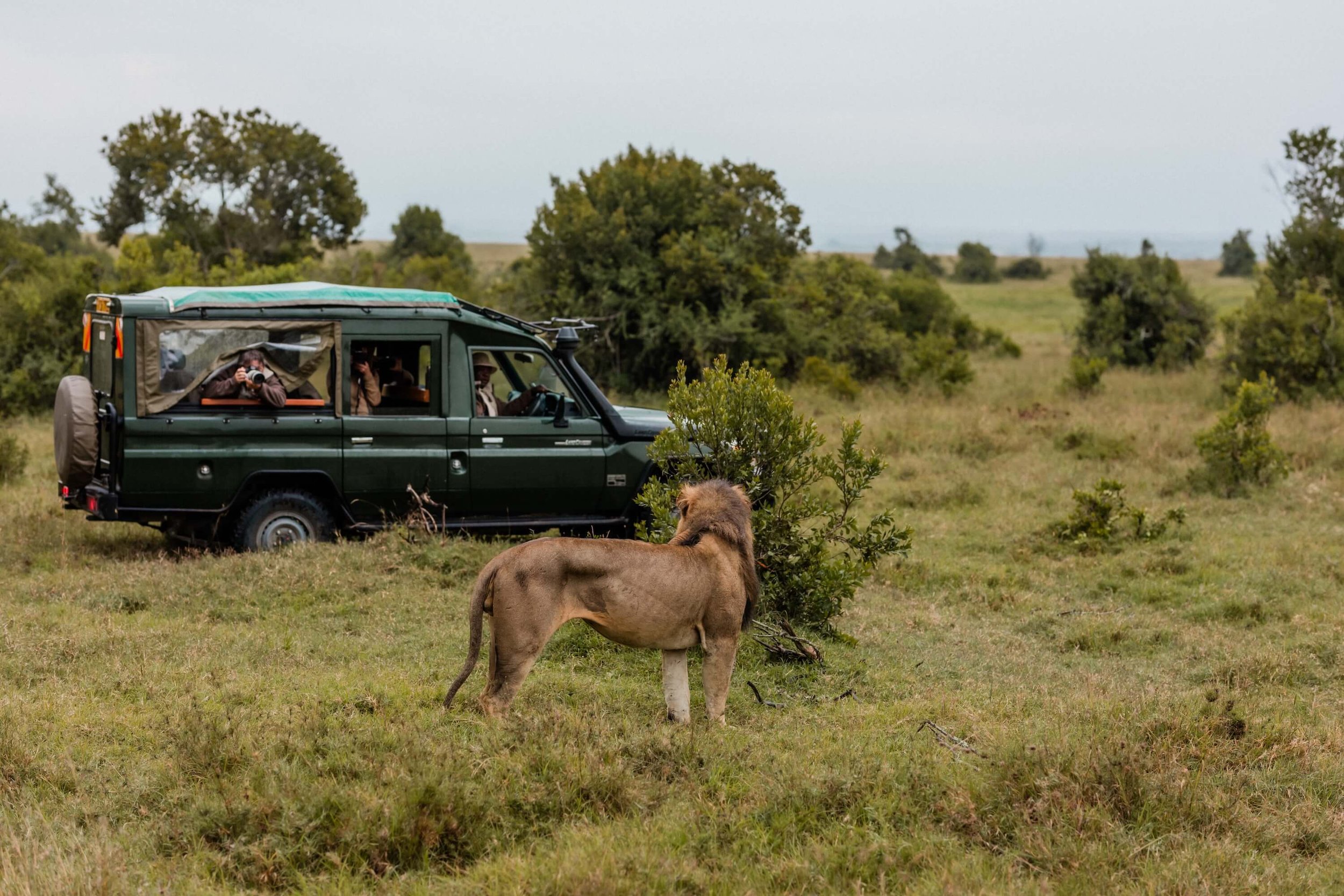
Lions on a game drive in Ol Pejeta
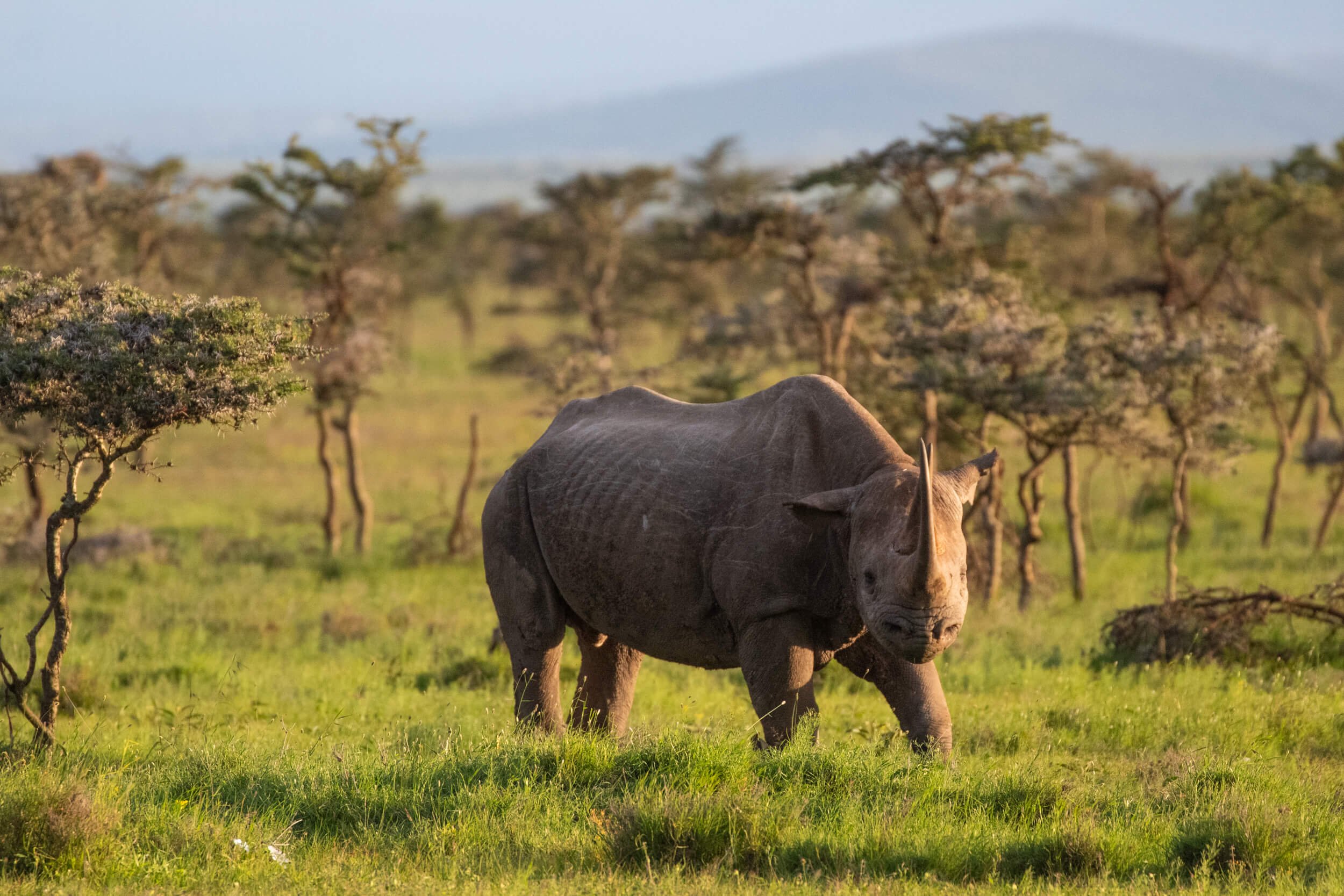
A black rhino on an afternoon game drive
4) YOU'LL HAVE THE CONSERVANCY LARGELY TO YOURSELF
This is the practical magic of November; it sits between the busy seasons of June to October and the festive season. It’s a gem that offers a quiet and full experience without the busyness and high prices.
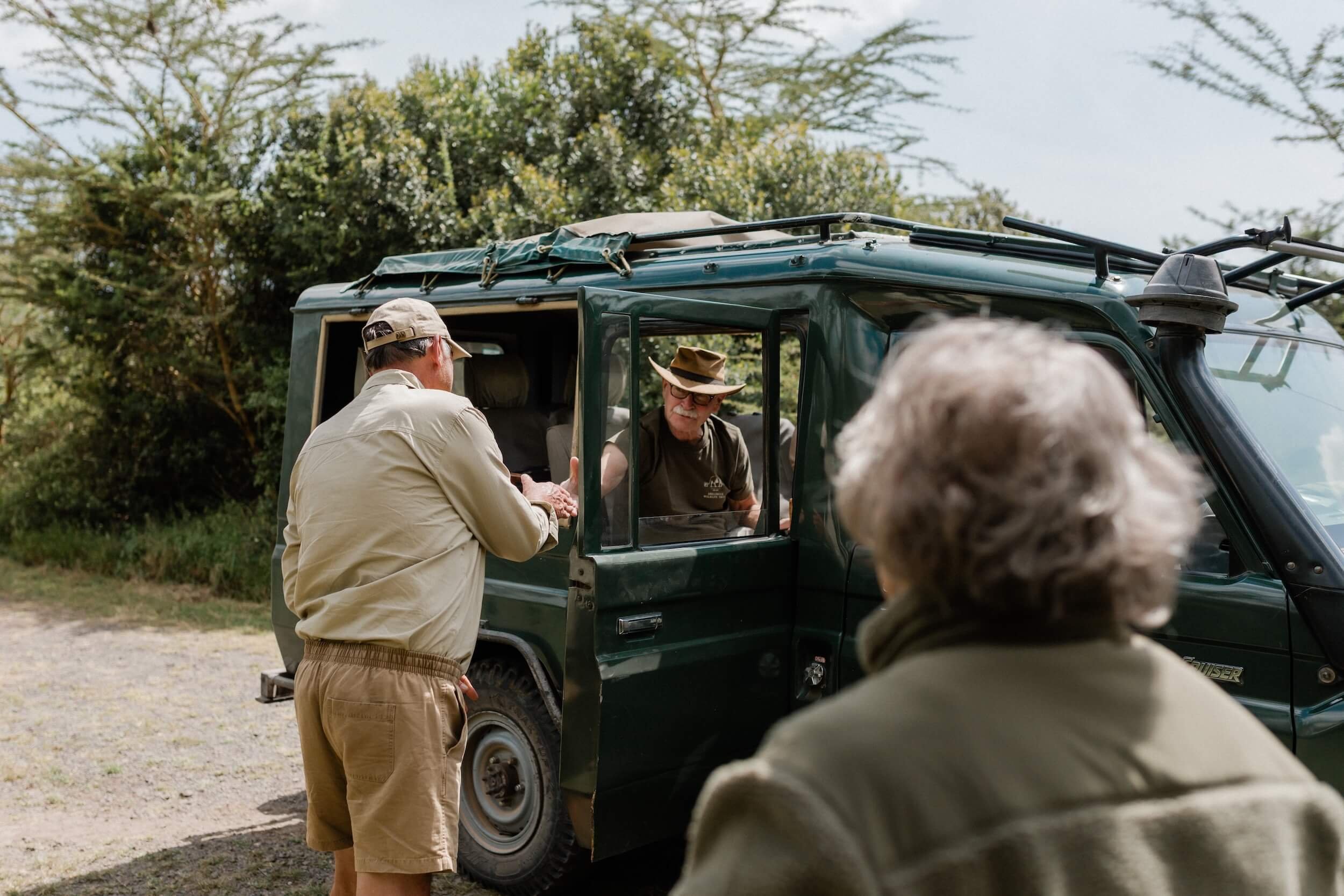
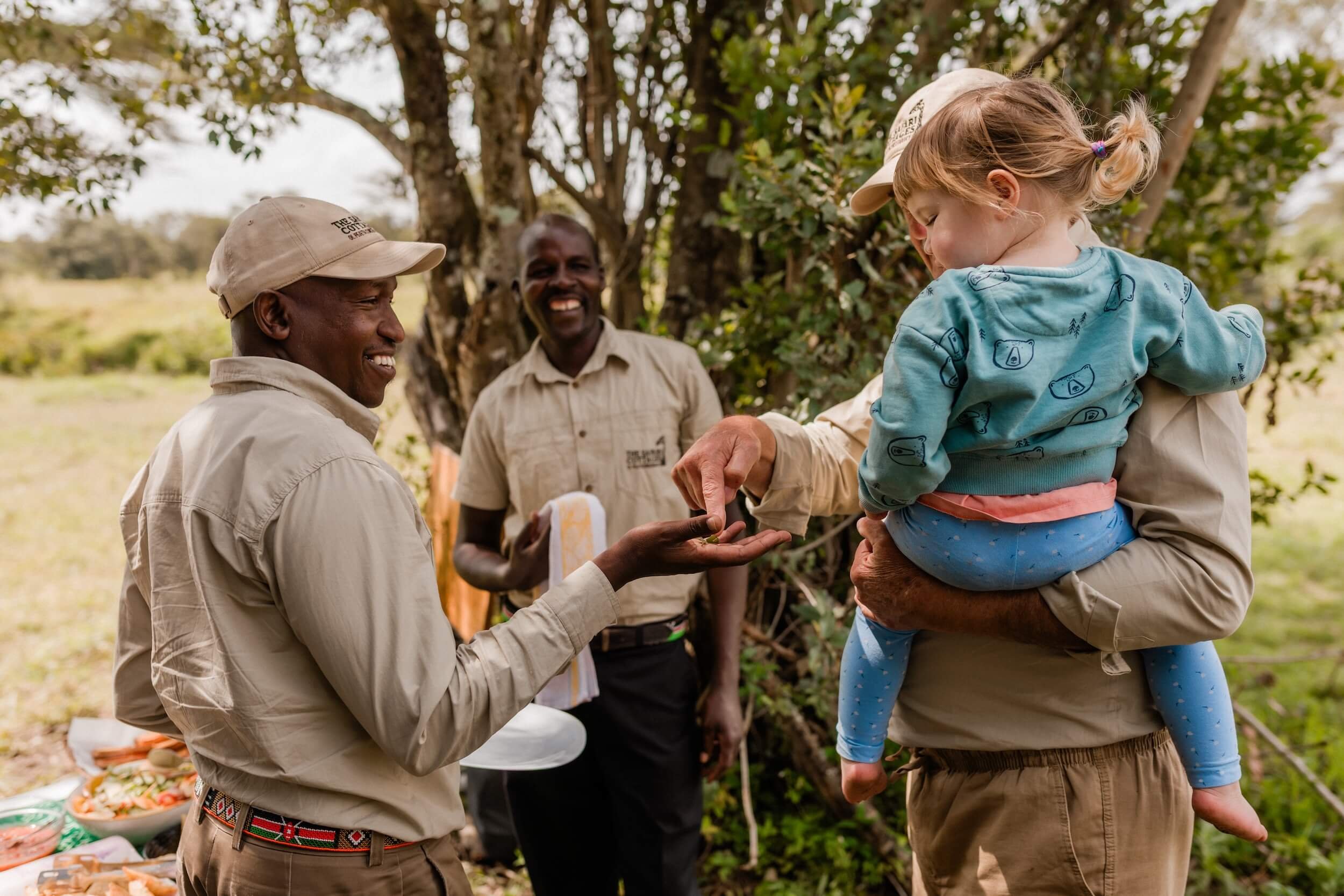
Visitor numbers are dramatically lower than they'll be in a month when December holiday season arrives. Even on main conservancy roads, you'll experience long stretches of unshared safari time. At Ol Pejeta Safari Cottages, of course, your entire stay is private — your guide, your vehicle, your schedule. But even the broader conservancy feels like it belongs to you.
If you value having the bush feel genuinely wild, November is the month for you.
5) THE VALUE IS EXCEPTIONAL
Early November rates at The Safari Cottages are still at shoulder season level. The premium that begins mid-November (as December holiday bookings approach) hasn't kicked in yet. You're getting green-season landscapes, migratory bird arrivals, and solitude at pre-peak pricing.
For guests who want a different kind of safari the dramatic, lush, genuinely wild reality of green season is for you.

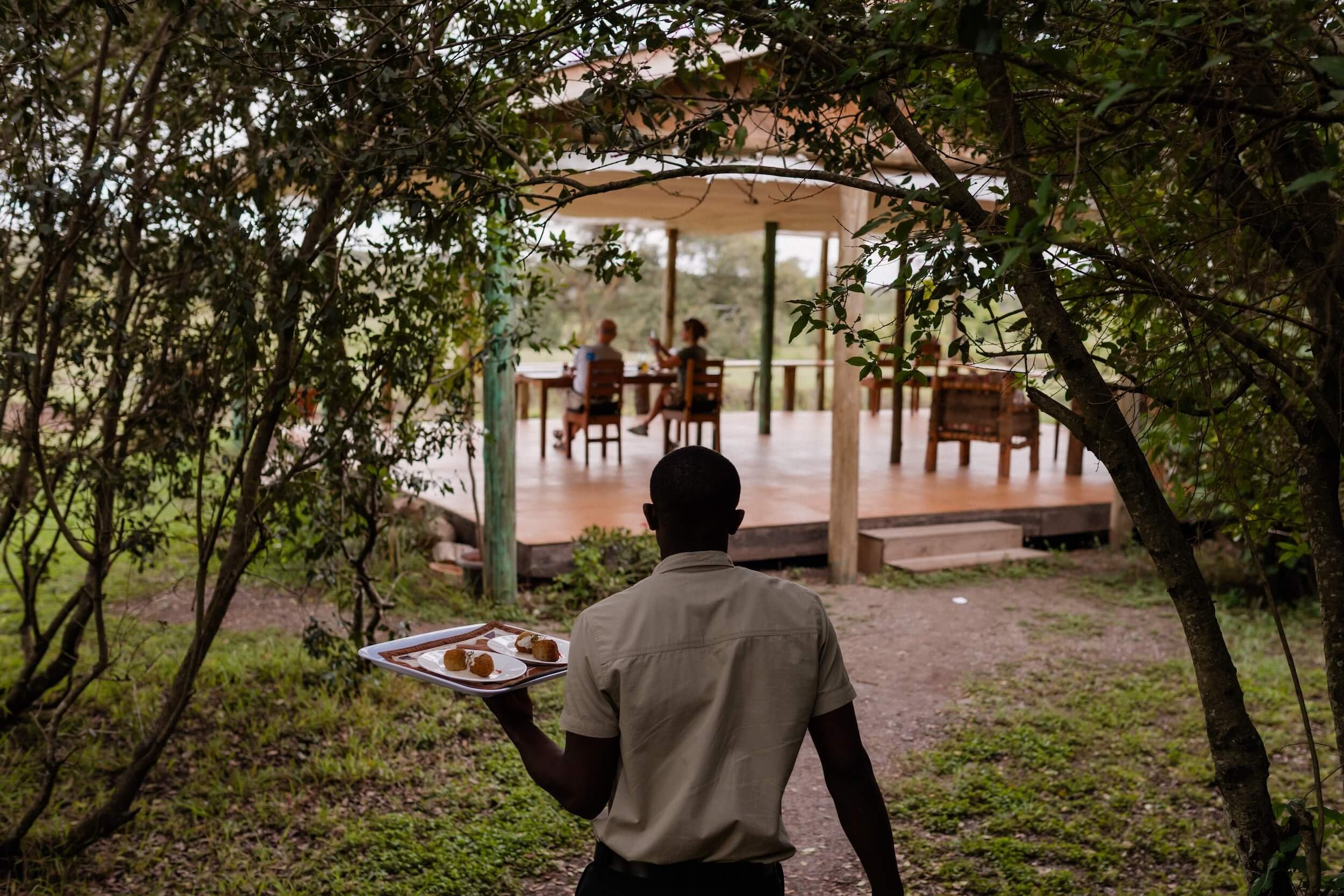
Afternoon tea at Ole Pejeta Safari Cottages
Planning a Kenya Safari in November? What to Actually Expect
Pack for rain, but don't expect it to ruin anything. Afternoon showers are common, but they're usually brief. A light rain jacket is genuinely useful. Waterproof bag for camera gear. But rain showers aren't obstacles — they're part of the green-season experience.
Embrace the mud. Roads can be muddy after rain. Game driving requires slightly more patience. But muddy roads mean the landscape is alive, rivers are flowing, and you're seeing Kenya as it actually is rather than as a curated park experience.
Dress for warmth and layers. Green season isn't cold, but mornings can be cool and the air can feel damp from recent rain. A fleece or light layer for early game drives. By midday, you'll be warm.
Consider a birdwatching focus. If birds interest you, tell your guide. November's migratory arrivals create exceptional opportunities. You'll see species you won't see in other months.
The Safari Cottages are open all year and ready to welcome you in November. Send us an enquiry to start planning your green-season safari.
More from The Safari Cottages blog…





November is green season in Kenya and it is lushly green with afternoon rainfall and flowing rivers. It offers something rare: lush landscapes, solitude before the December holiday rush, and exceptional shoulder-season value.