Sonja's Kitchen: Traditional Kenyan Beef and Bean Stew
A traditional Kenyan beef stew is made up of really simple ingredients, is super saucy and easy to whip together. Here’s our take on this camp favourite.
There’s beef stew and then there’s Kenyan beef stew which sits entirely in a league of it’s own, and we’re confident we’ve absolutely mastered it! This is a fan favourite dish for us all at The Safari Cottages; guests and staff alike, and served up with warm rice or ugali, Sonja’s Flakey Chapatis and some local vegetables dishes you’ve got yourself a simple, hearty, homey dish that’ll have you licking your chops and going back for seconds and thirds.
Sourcing your beef
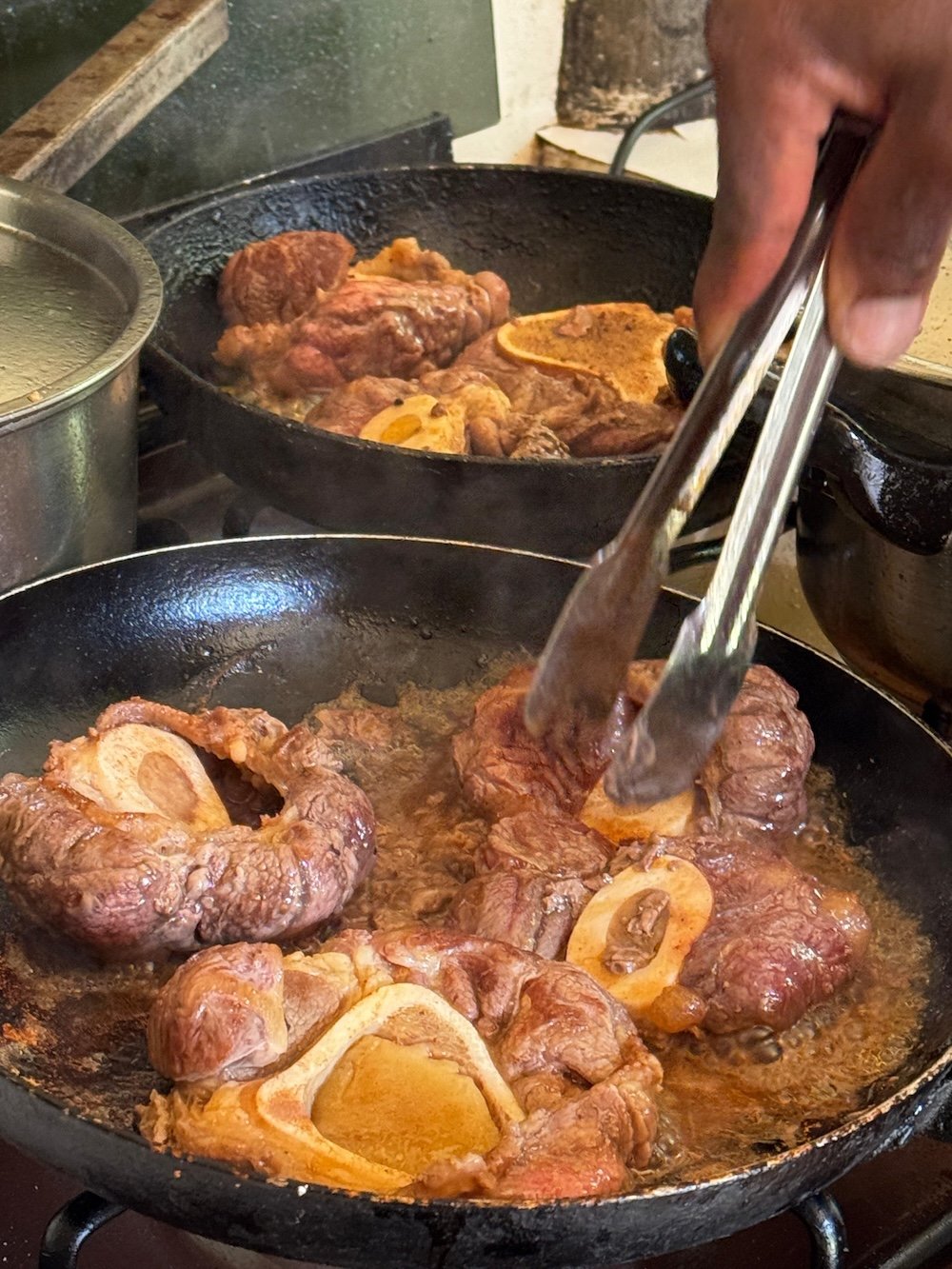
Wherever possible aim for grass-fed organic beef. We source our beef directly from Ol Pejeta where the cattle roam freely on the conservancy and the meat is noticeably excellent; the higher quality the source, the better the result. This recipe also suggest using diced beef because this is the most common presentation but any cut will do; we particularly love using osso bocco (beef shin) or oxtail; the meat really falls off the bone beautifully.
MAKE IT SAUCY
Despite the focus on meat, Kenyan beef stew is actually all about the sauce so measure your beef with your heart in this recipe! This is because, traditionally, beef was very valuable and hard to come by and, for a lot of communities it still is, so if we’re really going to be true to the roots of this stew the use of beef should be really minimal and used mainly to provide flavour to the sauce which is soaked up with ugali to fill bellies. In fact the original version of this recipes calls for just 50g of beef! But these days, reasonably priced, good quality beef is more accessible for a lot of us so you can make your stew as meaty as you’d like.
Here’s our much-loved Kenyan beef and bean stew recipe, right from Sonja’s cookbook, Footprints in The Butter.
KENYAN BEEF & BEAN STEW
Serves 4
4 cups of red kidney beans or other beans (tinned or dried beans that have been soaked overnight)
50g-1kg diced beef (depending on how meaty you want your stew)
2 onions
3 carrots
4 tablespoons of your preferred cooking oil
2 tablespoons of flour
6 cups of water or beef stock
salt and pepper to taste
1. Slice the onions, heat the oil and fry, adding the diced beef until it’s all brown.
2. Chop the carrots.
3. Remove the onion and the meat from the frying pan. Keep the oil on a low heat and add the flour, stirring continuously until brown.
4. Pour in the water, stirring continuously as you bring to the boil. Add salt, pepper, onions, beef, carrots and beans.
5. Reduce heat, cover tightly and simmer for about an hour until beef is tender.
Let us know how your Kenyan beef and bean stew turned out! You can purchase Sonja’s recipe book Footprints in The Butter here for more of our favourite camp recipes.
KEEP READING
More from the Ol Pejeta Safari Cottages blog
Welcome to the Spinners and Weavers. A wonderful group of women supporting widowed and disadvantaged women the opportunity to learn new skills and to gain employment in Nanyuki town.
Welcome the new year on a Kenya Safari in January to get your year off to an incredible start! Incredible wildlife, sweeping wild spaces and moments that will stick with you forever from your home-away-from-home at The Safari Cottages. Here are five things we love about Kenya in January.
Read more about the history of Ol Pejeta and how it transformed from a large, successful cattle ranch to a model for wildlife conservation and the largest black rhino sanctuary in East Africa.
If you’re wondering if it’s a good idea to escape the Christmas chaos and spend December on safari in Kenya this year the answer is absolutely yes! Here’s why you need to stop what you’re doing and book that trip immediately.
A traditional Kenyan beef stew is made up of really simple ingredients, is super saucy and easy to whip together. Here’s our take on this camp favourite.
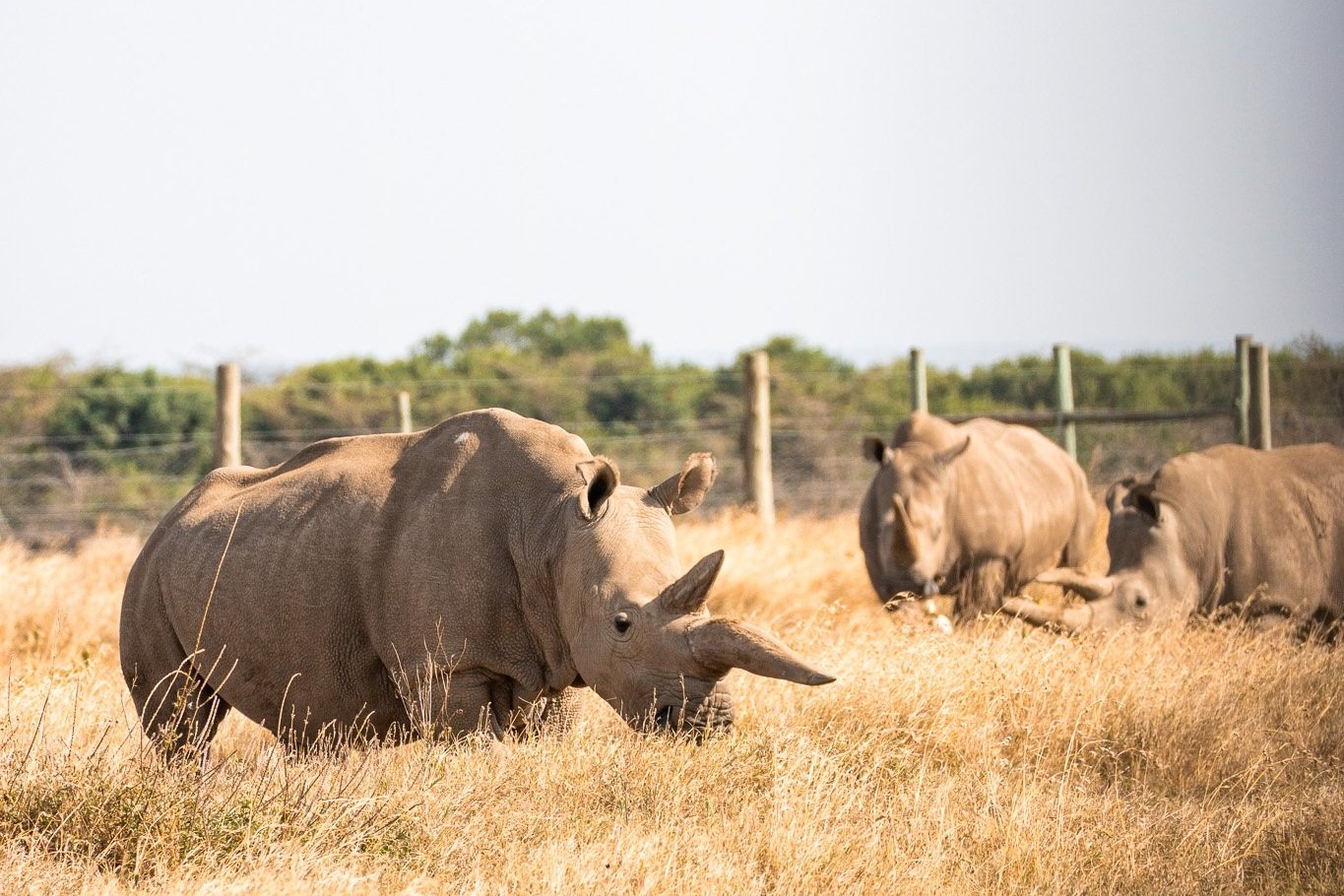
Following the recent release of The Last Rhinos: A New Hope we’re sharing a little more background into how the last two Northern White Rhinos left on the planet came to be here, the work Ol Pejeta is doing to bring them back from extinction and how you can see them today.
Here’s what your day looks like when you book a day trip to Mt Kenya for a mini mountain hike, taking in the unique flora and fauna and astonishing views!
Here’s what you need and what you can leave behind on your holiday. Our top tips for packing for a Kenya safari.
A chat with Yoga for the Wild founders Kat Macleod and Laura Messer on what it is that has them returning to The Safari Cottages every year to lead their Kenya yoga retreat raising funds and awareness for wildlife conservation.
If you’re considering booking your safari to Kenya in September then here are five reason why this is your best idea yet!
An interview with the owners offering a sneak peak into what it’s like living our dream of owning and managing our very own safari camp in Kenya!
Explore more of Kenya’s hidden gems on a day trip to Ngare Ndare forest: wander along the Ngare Ndare canopy walkway and take a dip in the crystal clear falls.
A map of Kenya’s most popular regions and understanding the logistics of getting between them. This blog will help you plan your Kenya safari holiday.
If you’re thinking of a Kenya family safari holiday but you’re nervous about traveling with children, especially young children, we’re here to bust a few myths and tell you why taking children on safari is actually a great idea!
The weather, the wildlife, the quiet - here are 5 reasons traveling to Kenya in May is your best idea yet!
Here’s what you can get up to on a 3 day safari on Ol Pejeta when you stay with The Safari Cottages
Our classic and much loved Kenyan Chapati recipe fresh from Sonja’s cookbook; Footprints in the Butter
Safaris can be pricey! Here are 3 ways to better manage your spend and bring your Kenya safari cost down
Learn all about Kenya: when to go, what to expect and more, from our guide written by people on the ground living in and exploring the country for the last fifteen years.
Sonja's Kitchen: Flakey Kenyan Chapati Recipe
Our classic and much loved Kenyan Chapati recipe fresh from Sonja’s cookbook; Footprints in the Butter
The chapati is a much loved staple of Kenya cuisine and unlike an Indian chapati it is flakey and served alongside curries, stews or with eggs at breakfast time. If you’re sat at home after your safari and craving a little bit of Kenya, cooking up a pile of delicious chapatis and enjoying them along side a plate of githeri or a beef stew is a great way to feel transported right back to Africa! Here’s our much-loved chapati recipe, right from my camp cookbook, Footprints in The Butter.
FLAKEY KENYAN CHAPATI RECIPE
Serves 8
3½ cups plain white or wholemeal
wheat flour
½ tsp salt
1 tbsp margarine, butter or ghee
1⅓ cups warm water
½ cup vegetable oil or shortening
1. Sift flour and salt together, if using shortening rub in with finger tips.
2. Make a well in the centre, pour in half the water and, if using oil pour it in also. Mix with a wooden spoon, gradually adding the remainder of the water until a firm but soft dough forms. Continue kneading with your hands.
3. Divide the dough into 8 balls. Roll out each ball on a circular chapati board or on a lightly floured pastry
board.
4. Coat the surface of each circle of dough generously with margarine. Roll up the circle lightly with your fingers into a sausage, then coil the sausage into a wheel, thus trapping the air inside. Then, with a rolling pin, roll out each wheel into a circle less than ⅛inch thick.
5. Smear a chapati pan or 23cm non stick frying pan with oil. Using low heat, brown the chapatis on both sides
until golden brown. If you press the chapati lightly with a folded tea towel whilst cooking, the air bubbles will quickly rise.
6. Keep warm until served.
Guests mastering our Kenyan chapati recipe WITH OUR CHEFS on a recent group safari with Yoga By Candace
Let us know how your chapatis turned out! You can purchase Sonja’s recipe book Footprints in The Butter here for more of our favourite camp recipes.
KEEP READING
More from the Ol Pejeta Safari Cottages blog
Crisp mornings, unique photographic opportunities, the drama of an African rainstorm; Google may say that an April Kenya safari is a no-go but here’s why you why should ignore Google and do it anyway.
Welcome to the Spinners and Weavers. A wonderful group of women supporting widowed and disadvantaged women the opportunity to learn new skills and to gain employment in Nanyuki town.
Welcome the new year on a Kenya Safari in January to get your year off to an incredible start! Incredible wildlife, sweeping wild spaces and moments that will stick with you forever from your home-away-from-home at The Safari Cottages. Here are five things we love about Kenya in January.
Read more about the history of Ol Pejeta and how it transformed from a large, successful cattle ranch to a model for wildlife conservation and the largest black rhino sanctuary in East Africa.
If you’re wondering if it’s a good idea to escape the Christmas chaos and spend December on safari in Kenya this year the answer is absolutely yes! Here’s why you need to stop what you’re doing and book that trip immediately.
A traditional Kenyan beef stew is made up of really simple ingredients, is super saucy and easy to whip together. Here’s our take on this camp favourite.
Following the recent release of The Last Rhinos: A New Hope we’re sharing a little more background into how the last two Northern White Rhinos left on the planet came to be here, the work Ol Pejeta is doing to bring them back from extinction and how you can see them today.
Here’s what your day looks like when you book a day trip to Mt Kenya for a mini mountain hike, taking in the unique flora and fauna and astonishing views!
Here’s what you need and what you can leave behind on your holiday. Our top tips for packing for a Kenya safari.
A chat with Yoga for the Wild founders Kat Macleod and Laura Messer on what it is that has them returning to The Safari Cottages every year to lead their Kenya yoga retreat raising funds and awareness for wildlife conservation.
If you’re considering booking your safari to Kenya in September then here are five reason why this is your best idea yet!
An interview with the owners offering a sneak peak into what it’s like living our dream of owning and managing our very own safari camp in Kenya!
Explore more of Kenya’s hidden gems on a day trip to Ngare Ndare forest: wander along the Ngare Ndare canopy walkway and take a dip in the crystal clear falls.
A map of Kenya’s most popular regions and understanding the logistics of getting between them. This blog will help you plan your Kenya safari holiday.
If you’re thinking of a Kenya family safari holiday but you’re nervous about traveling with children, especially young children, we’re here to bust a few myths and tell you why taking children on safari is actually a great idea!
The weather, the wildlife, the quiet - here are 5 reasons traveling to Kenya in May is your best idea yet!
Here’s what you can get up to on a 3 day safari on Ol Pejeta when you stay with The Safari Cottages
Our classic and much loved Kenyan Chapati recipe fresh from Sonja’s cookbook; Footprints in the Butter
Safaris can be pricey! Here are 3 ways to better manage your spend and bring your Kenya safari cost down
Learn all about Kenya: when to go, what to expect and more, from our guide written by people on the ground living in and exploring the country for the last fifteen years.
Crisp mornings, unique photographic opportunities, the drama of an African rainstorm; Google may say that an April Kenya safari is a no-go but here’s why you why should ignore Google and do it anyway.